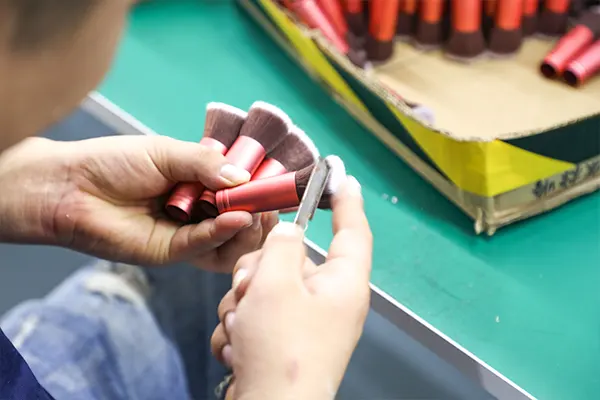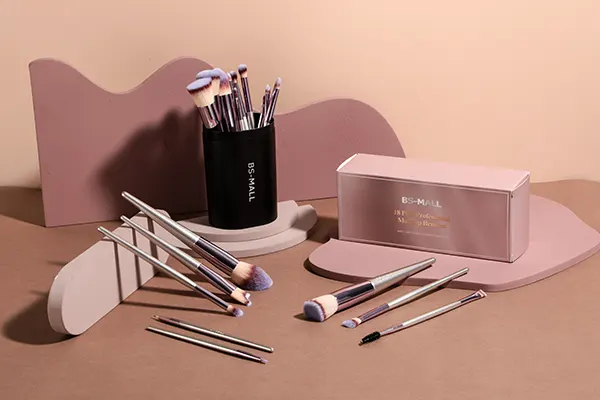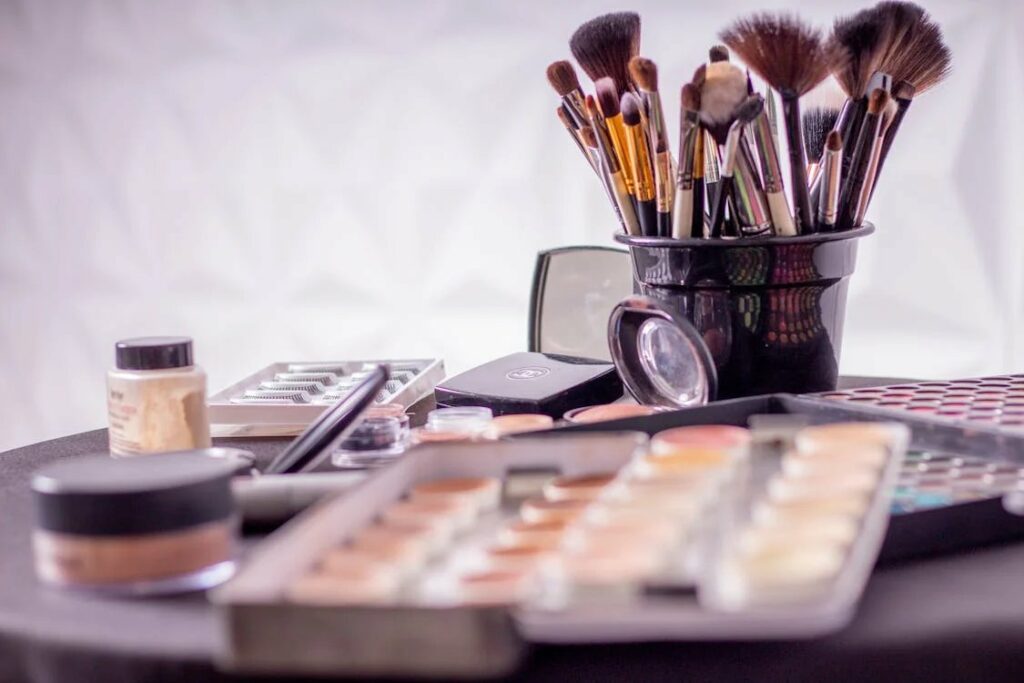


Choosing between OEM and ODM makeup brushes depends on your brand goals, budget, timeline, and customization needs. OEM makeup brushes allow brands to create custom designs with greater control over materials and product details, while ODM makeup brushes use existing designs that can be customized with branding elements such as colors, logos, and packaging.
As a professional makeup brush manufacturer, BS-MALL provides both OEM and ODM solutions for beauty brands at different growth stages. This guide explains the key differences between OEM and ODM makeup brushes, including design ownership, cost, development time, and which model is right for your business.
The Core Difference: Who Owns the Design?

The key difference between OEM and ODM lies in how product development responsibilities are divided between the brand and the manufacturer, including design ownership, customization level, and production involvement.
OEM Defined for the Makeup Brush Category
In an OEM (Original Equipment Manufacturer) model, the brand provides the product concept, specifications, or design requirements, while the manufacturer handles production based on those requirements. Brands can customize key elements such as brush shape, handle design, bristle materials, ferrule finishes, and packaging to create products that match their market positioning.
Since the product is developed according to the brand’s specifications, OEM projects usually involve higher development costs, including design work, sampling, tooling, and production adjustments. Depending on the agreement, brands may retain ownership of their customized designs and tooling assets, giving them more control over product differentiation and long-term brand development.
ODM Defined — A Faster Path to Market
In an ODM (Original Design Manufacturer) model, the manufacturer provides existing brush designs that brands can customize with their own branding elements. Instead of developing a product completely from scratch, brands typically adjust features such as colors, logos, packaging, and selected finishes based on the factory’s available designs.
ODM helps brands reduce development time and upfront investment because the core product structure has already been developed and tested. However, standard ODM designs are usually not exclusive, meaning the same or similar brush designs may also be available to other brands unless additional exclusivity terms are agreed upon.
For brands selling makeup brushes in international markets, material compliance is also an important consideration during product development. Whether choosing OEM or ODM, manufacturers need to ensure that brush components, including synthetic bristles, coatings, adhesives, and metal parts, comply with relevant safety standards such as the ECHA REACH Restricted Substances List and other applicable market regulations.
How OEM Works for Makeup Brushes
In an OEM build, the product is developed according to the brand’s specifications. Depending on the agreement, the brand may retain ownership of the customized design and related tooling assets.You specify every detail—handle, bristles, packaging—and the factory executes your vision, creating an exclusive product.
The Technical Specification Process
A successful OEM makeup brush project starts with clear communication between the brand and the manufacturer. Before production begins, both sides need to confirm the key product specifications, including brush design, materials, performance requirements, and packaging details.
Typical OEM customization areas include:
- Handle Design: Brands can customize handle materials, shape, weight, size, and surface finishes to match their product positioning.
- Bristle Materials: The brush performance can be adjusted through different bristle materials, fiber combinations, and density designs to achieve the desired softness, flexibility, and application experience.
- Ferrule Design: Brands can customize ferrule materials, colors, finishes, and structural details to improve product appearance and durability.
Because OEM products are developed from customized specifications, the process usually involves multiple stages of design confirmation, sampling, testing, and production preparation.
Timeline Expectations for Full Custom OEM Builds
The development timeline for custom OEM makeup brushes depends on the complexity of the design, materials, tooling requirements, and production volume. In general, a full OEM project may take several months from initial concept to mass production.
A typical process includes:
- Design Confirmation and Engineering Review: The brand and manufacturer finalize product specifications and production requirements.
- Sampling and Adjustments: Prototype samples are created and refined based on factors such as brush shape, density, softness, and overall performance.
- Tooling and Production Preparation: If custom components are required, additional time may be needed for molds, production setup, and process adjustments.
- Mass Production: After sample approval, the manufacturer begins bulk production and quality inspections before shipment.
For brands requiring highly customized OEM makeup brushes, planning sufficient development time is important to ensure product quality and consistency.
Boost Your Profits with Premium Cosmetics
How ODM Works for Makeup Brushes
ODM lets you brand a factory’s pre-made brush. You get to market fast, but the design isn’t yours and isn’t exclusive.
The Boundaries of Customization
ODM sourcing operates within fixed industrial parameters. The boundary between customizable elements and fixed engineering assets is rigid.
- Permissible Modifications: Surface-level branding. This includes laser engraving, pad printing, custom handle lacquering, and tailored B2C retail packaging.
- Core Structural Limitations: ODM projects usually work within existing product frameworks. Major changes to brush dimensions, component structures, tooling, or manufacturing processes may require a transition from ODM development to a more customized OEM project.
The Brand Overlap Risk
The primary strategic liability of ODM is market saturation and listing duplication. Because ODM products are based on existing factory designs, similar products may also be available to other brands. For companies seeking stronger differentiation, exclusive designs or customized OEM development may provide better long-term brand positioning.
Cost Comparison: OEM vs ODM at Different Order Sizes
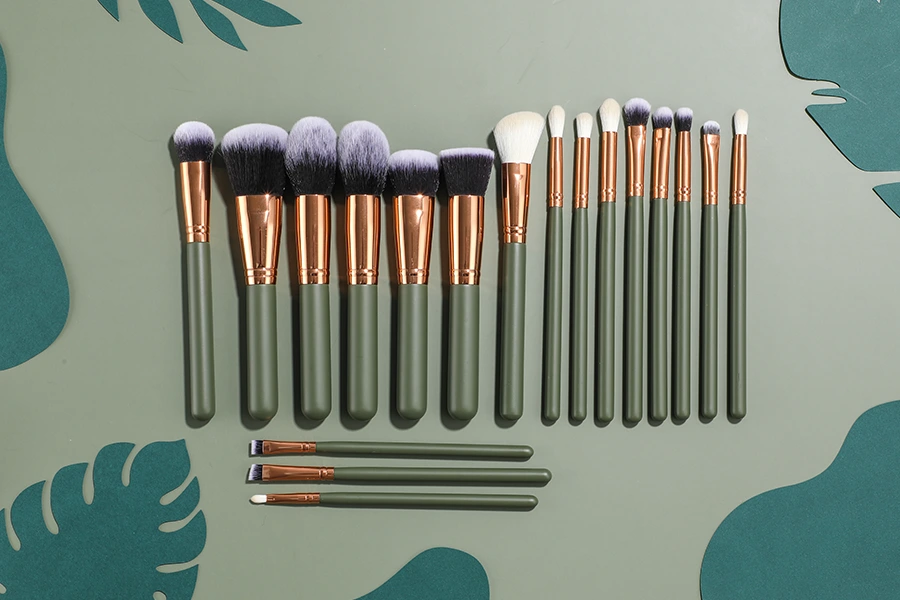
The cost difference between OEM and ODM makeup brushes mainly depends on product development, customization level, order volume, and production requirements. ODM makeup brushes usually require lower upfront investment, while OEM makeup brushes involve higher development costs but provide more control over product design.
Development Cost Differences
OEM makeup brushes are developed according to a brand’s specific requirements, including custom designs, materials, tooling, and sampling. This makes OEM projects more costly at the beginning but allows brands to create more unique products.
In comparison, ODM makeup brushes use existing factory designs that can be customized with branding elements such as colors, logos, and packaging. This reduces development time and initial costs, making ODM a practical option for startups and brands testing new markets.
Per-Unit Cost Differences at Scale
The unit cost of OEM vs ODM makeup brushes depends on order quantity and production volume. ODM usually has a cost advantage for small to medium orders because existing designs and production processes help reduce setup costs.
For larger production volumes, OEM costs can become more competitive because development and tooling expenses are spread across more units. This makes OEM suitable for brands with stable demand and long-term product plans.
MOQ Differences Between OEM and ODM
MOQ is another important consideration when choosing between OEM and ODM makeup brushes. ODM projects often support lower MOQs because they rely on existing product structures, while OEM projects usually require higher MOQs due to custom components and production preparation.
However, the exact MOQ depends on factors such as design complexity, materials, customization requirements, and manufacturing capacity.
Overall, ODM makeup brushes are suitable for brands prioritizing faster launch and lower investment, while OEM makeup brushes are better for brands seeking greater customization and product differentiation.
Timeline Comparison: Which Gets You to Market Faster?
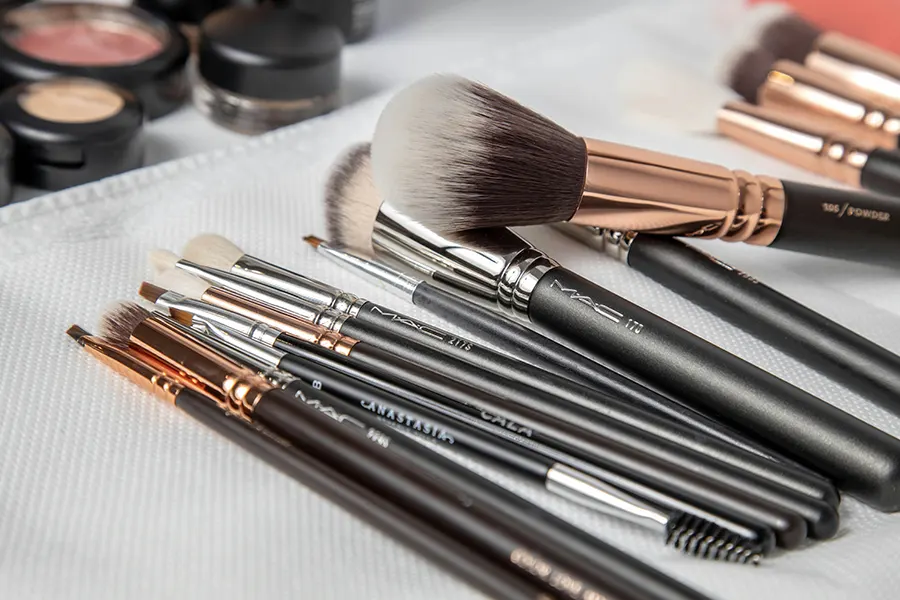
ODM gets you to market faster, period. It skips the time-consuming design and tooling stages that are mandatory for a custom OEM build.
A Look at Typical Project Timelines
The difference in speed isn’t minor; it can be months. ODM projects leverage pre-existing, validated designs, which cuts down development time dramatically. OEM projects build everything from the ground up, which is a much longer process.
- OEM Process: A full OEM project generally requires more time because it involves design confirmation, sampling, tooling, and production preparation.
- ODM Process: ODM projects are usually faster because the core product design and manufacturing process are already established.
Key Factors That Create the Time Difference
The speed advantage of ODM comes from eliminating specific, time-intensive stages required for OEM projects.
- Product Design & R&D: ODM completely skips the initial, lengthy R&D phase by using pre-validated designs. With OEM, you start from scratch, defining every specification, which takes weeks of work before a single sample is made.
- Tooling and Setup: Creating new molds for custom handles or ferrules is a major time sink in OEM projects, often adding 2-4 weeks or more to the schedule. This entire step is avoided in most ODM projects that use existing factory tooling.
- Sampling and Revisions: OEM sampling involves multiple rounds to perfect brush performance, feel, and balance. ODM sampling is faster because it focuses mainly on confirming branding and cosmetic details like color and logos, not re-engineering the core tool.
What About Trading Companies? A Third Sourcing Option
Trading companies are sourcing intermediaries, not factories. They offer low MOQs and fast turnarounds for a higher unit cost, making them a strategic tool for market testing.
Structural Differences: Trading Companies vs. Direct Manufacturers
When sourcing OEM and ODM makeup brushes, brands can choose between working directly with manufacturers or using trading companies as sourcing partners. The main difference lies in production control, communication efficiency, and sourcing support.
Direct manufacturers manage their own production facilities, allowing brands to communicate directly with teams involved in product development, sampling, and quality control.
Trading companies work as intermediaries between brands and factories. They can simplify supplier coordination, logistics, and multi-product sourcing, but brands may have less direct involvement in the manufacturing process.
Key Differences Between Factories and Trading Companies
Cost Structure:
Direct factory sourcing usually provides clearer production pricing, while trading companies may include additional service costs.
Product Development:
Manufacturers typically offer more flexibility for custom makeup brushes, including material selection and design adjustments. Trading companies usually work within the capabilities of their partner factories.
Quality Management:
Direct cooperation allows brands to communicate quality requirements directly with production teams, while trading companies mainly coordinate inspections and supplier management.
When Trading Companies Make Sense
Trading companies can be useful for brands that:
- Need smaller quantities for initial market testing.
- Source multiple beauty products from different suppliers.
- Require support with supplier communication and logistics.
For brands seeking deeper customization and long-term product development, working directly with an experienced OEM makeup brush manufacturer can provide greater control and production visibility.
Decision Framework: Which Model Fits Your Stage?
Choosing between OEM and ODM makeup brushes depends on your brand stage, product goals, budget, and customization needs. Startups often prioritize faster launch and lower initial investment, while established brands may focus more on product differentiation and long-term product value.
The following framework explains how different business stages can approach OEM and ODM sourcing.
| Factor | Early-stage startup | Growing brand | Luxury or premium line |
|---|---|---|---|
| Primary Goal | Launch products quickly while controlling initial investment. | Build differentiation while maintaining production flexibility. | Create highly customized products that support premium positioning. |
| Better Fit | ODM makeup brushes. Use existing designs with customized colors, logos, and packaging. | Hybrid OEM + ODM. Use OEM for signature products and ODM for supporting collections. | Custom OEM makeup brushes. Develop unique designs with greater control over materials and performance. |
| Why It Works | Reduces development costs and shortens launch time by using existing designs. | Balances customized products with efficient standard production. | Provides more control over product details and brand experience. |
| Main Consideration | Less product exclusivity because standard designs may be available to other brands. | Requires more planning to manage both OEM and ODM production. | Requires higher investment and longer development timelines. |
Complete operational alignment requires parsing these industrial capabilities against your actual brand tier. If your current bottleneck is navigating initial brand registration and go-to-market IP, contrast these production dynamics with our structural deep-dive, White Label vs Private Label Makeup Brushes: Which Is Right for Your Brand?, to funderstand another important sourcing decision.
Real-World Examples: ODM Fast Launch vs OEM Custom Build
Choosing between OEM and ODM makeup brushes depends on your brand stage, product goals, and customization needs. ODM is suitable for brands seeking faster market entry, while OEM provides greater flexibility for developing customized products.
Scenario 1: Fast Market Entry with ODM Makeup Brushes
A new beauty brand wants to launch its first makeup brush collection while keeping initial investment under control.
- Approach:
The brand selects existing brush designs from the manufacturer’s ODM catalog and customizes key branding elements, including handle colors, logos, and retail packaging. - Benefits:
Because the core product design is already developed, the brand can reduce development time, avoid additional tooling costs, and focus resources on marketing and customer acquisition. - Result:
The brand enters the market faster while testing customer demand before investing in fully customized products.
Scenario 2: Building a Unique Product Line with OEM Makeup Brushes
An established beauty brand wants to create a signature makeup brush collection that matches its premium positioning.
- Approach:
The brand works with the manufacturer to customize brush design, materials, handle structure, and overall product performance based on its target customer experience. - Benefits:
OEM development provides greater control over product specifications and allows brands to create more differentiated products compared with standard designs. - Result:
The brand develops a customized brush line with stronger product identity and better alignment with its market positioning.
Frequently Asked Questions
Can I secure design exclusivity on an ODM brush profile?
Standard ODM profiles are non-exclusive. However, factories will grant territorial or temporal exclusivity if the brand guarantees a high minimum annual purchasing volume. Alternatively, you can create a hybrid tool by attaching a custom, proprietary handle onto an existing, factory-owned open-mold brush head.
What are the hard MOQ thresholds for true OEM fabrication?
MOQ requirements vary depending on the customization level, materials, tooling requirements, and production process. Highly customized OEM projects usually require higher order volumes compared with standard ODM products.
Do OEM and ODM both support custom retail packaging?
Yes. The differentiation lies in engineering control. ODM packaging utilizes standard factory die-lines with your custom artwork overlay. OEM packaging allows you to engineer bespoke structures, alternative material substrates, and unboxing mechanics from the ground up.
What is the safest protocol for transitioning from ODM to OEM?
Analyze your SKU sales data after a 12-month cycle. Isolate your highest-volume ODM items. Retain their proven dimensions but optimize the performance by upgrading to a bespoke fiber blend or a proprietary ergonomic handle. This allows you to deploy capital into private tooling only on verified, revenue-generating assets.
Final Thoughts
Choosing between OEM and ODM makeup brushes depends on your brand goals, budget, timeline, and customization needs. ODM makeup brushes are suitable for brands looking for faster market entry with lower development costs, while OEM makeup brushes provide more control over product design and differentiation.
The right sourcing model should match your current business stage and long-term growth plans. For brands planning premium collections, learn more about building a luxury makeup brush brand in our guide: How to Build a Luxury Makeup Brush Brand: Positioning, Materials, and Manufacturing.
Contact our team to discuss your OEM or ODM requirements and find the right solution for your next makeup brush project.