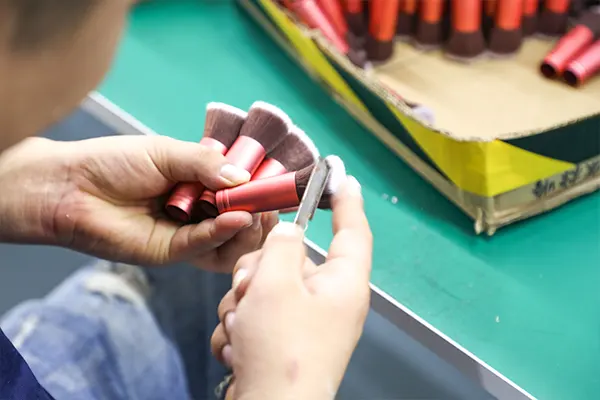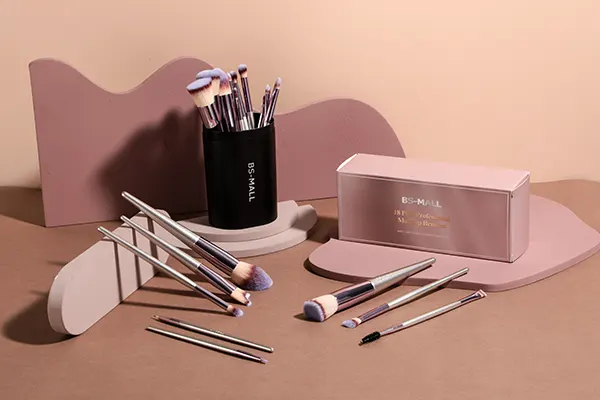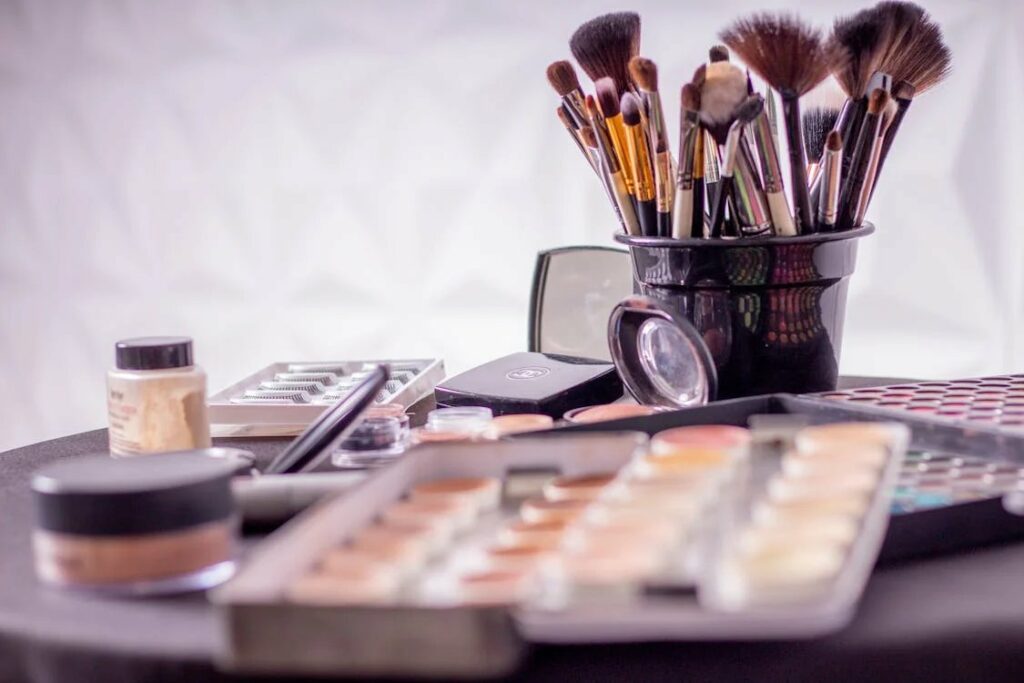


Developing custom makeup brushes involves more than selecting fibers, handles, and finishes. Brands must also consider product performance, customization limits, MOQ, sampling costs, production lead times, and the consistency required across future orders.
Drawing on BS MALL’s experience in custom makeup brush manufacturing, this guide explains how to define product specifications, select a suitable development route, evaluate production capabilities, and prepare an approved design for consistent mass production.
What Makes a Custom Makeup Brush Line Feel Premium?
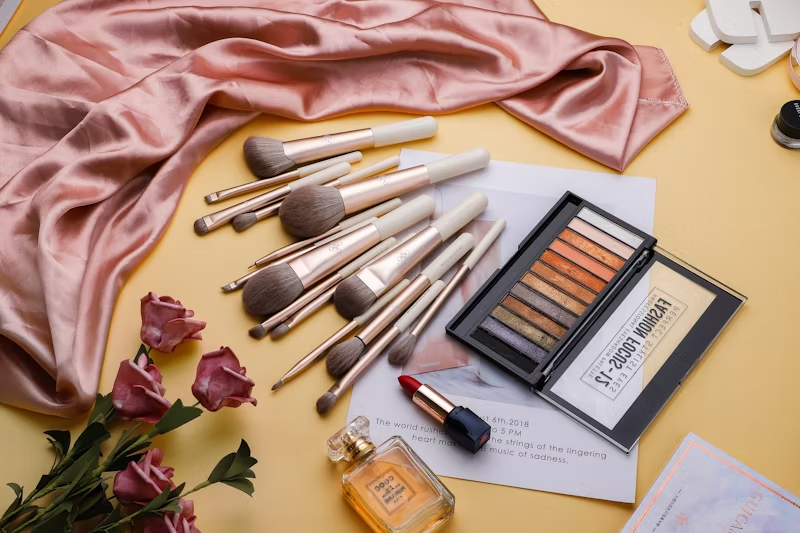
A premium makeup brush line is defined by application performance, structural reliability, consistent workmanship, and coherent brand presentation. These qualities should be confirmed during sampling and translated into practical production standards.
Build Premium Quality Through Materials, Structure, and Performance
Premium quality does not come from a single expensive material or decorative feature. Fiber selection, brush-head design, handle construction, and assembly must work together for the intended application.
- Fiber performance: Select fibers according to the required softness, resilience, product pickup and release, and application results. Sourcing policies, compliance requirements, and claims such as vegan or cruelty-free should also be considered.
- Brush-head design: Density, shape, loft, and firmness should suit the brush’s function. A dense head is not automatically better; each design should be evaluated against an approved sample and its intended use.
- Hand-feel and balance: Handle material, dimensions, weight, grip, and balance should support comfortable control while matching the brand’s price positioning.
- Structural reliability: Ferrule material, dimensions, crimping, adhesive application, and assembly should provide secure tuft and handle retention. Loose fibers, shedding, and component movement should remain within agreed acceptance limits.
- Finish quality: Coatings, plating, printing, engraving, and crimping should be even, correctly positioned, and sufficiently durable for normal use and cleaning.
These characteristics can be controlled through approved samples, dimensional tolerances, fill-control methods, retention tests, coating checks, and defined visual acceptance criteria.
Create a Consistent Product and Brand Experience
A premium line should feel coordinated across every brush rather than relying on one standout product. Handle shapes, ferrule finishes, colors, logos, and brush-head profiles should follow a consistent design language while still supporting different application functions.
Packaging should protect brush heads from deformation, prevent surface damage during transport, organize the set, and present required brand and product information clearly. Materials and construction should also match the intended sales channel and price positioning.
Custom colors, finishes, engraving, and packaging can strengthen brand recognition when applied consistently. These details help distinguish the collection from standard catalog products, but they should not compromise durability, usability, or production consistency.
Ultimately, a premium impression depends on whether the approved performance, appearance, and workmanship can be reproduced reliably across the entire order and in future production batches.
Define the End User, Price Position, and Product Brief
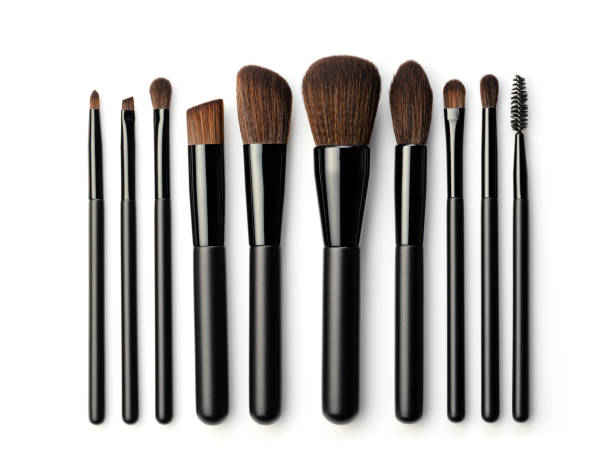
A clear target user, sales channel, price position, and product brief provide the commercial foundation for a custom makeup brush line.
Define the Core User and Usage Scenario
Custom brushes should be developed for a defined customer and purpose rather than a broad, undefined market.
Professional makeup artists may prioritize precise shapes, comfortable handling, durability, and resistance to frequent cleaning. Beauty enthusiasts and creator-led brands may value distinctive designs, versatile functions, and features that can be demonstrated easily through online content.
Everyday users may prefer a compact selection of clearly differentiated brushes. Each brush should have an easy-to-understand function and suit common makeup routines.
Sustainability and luxury are better treated as product requirements than as separate customer categories. Sustainability requirements may include synthetic-fiber policies, responsibly sourced materials, recycled content, reduced packaging, and supporting documentation. For products sold in the United States, the FTC Green Guides provide guidance on substantiating and qualifying claims such as recycled content and recyclability.
Depending on its positioning, a premium line may also emphasize refined finishes, controlled application, distinctive design, and consistent workmanship.
The sales channel should also guide product development. Professional kits, e-commerce hero brushes, prestige retail collections, and promotional sets may require different product configurations, packaging, order quantities, and price points.
Work Backward From the Target Retail Price
Price positioning should be established before detailed sampling. It influences the materials, brush count, customization level, packaging, MOQ, and production methods.
Brands should work backward from the target retail price instead of choosing components first and calculating the price afterward. Channel margins, packaging, freight, duties, inspection, marketing, and other landed costs should be considered when setting the target factory cost.
Materials can then be selected according to the required performance, sensory qualities, brand claims, and available budget.
Natural hair is not automatically more premium than synthetic fiber. Likewise, no single handle or ferrule material determines product quality. Materials, construction, finish, and performance must work together to support the intended price position.
Build the Product Brief and Select Hero Brushes
Before requesting samples, the brand should prepare a practical product brief covering:
- the target user, usage scenario, market, and sales channel;
- single brushes, sets, or both, including the purpose of each brush;
- target retail price, target factory cost, and estimated order quantity;
- fiber performance, brush-head shape, handle, ferrule, finish, and packaging direction;
- required brand claims, documentation, and market-specific compliance needs;
- features that must be fully customized and those that may use existing manufacturer options.
The brief should also identify the hero brush or core set. A hero product should communicate the line’s main functional or design advantage while remaining practical to manufacture, price, and reorder. It may introduce a distinctive brush shape, solve a clear application need, or establish a recognizable design language for the wider collection.
A focused initial assortment is often easier to develop and validate than a large collection with overlapping functions. Once the target user, commercial limits, and hero products are clear, the manufacturer can recommend suitable materials, construction methods, MOQ options, and sampling routes.
Develop Your Custom Makeup Brush Line
Choose Brush Fibers, Shapes, Density, and Functions
Properly combining brush fiber, shape, density, and function drives application performance and brand alignment in custom makeup brushes.
Match Fiber, Brush Shape, and Density to Each Application
Each brush should be developed around a clearly defined application. Start by identifying its intended function, such as foundation application, powder application, contouring, blending, or detailed eye makeup. The function helps determine the appropriate brush-head shape, size, and required level of precision.
Fiber type, length, density, and flexibility should then be adjusted according to the desired pickup, release, coverage, and blending performance. Liquids and creams often work well with synthetic fibers, while powders may use natural hair or textured synthetic fibers, depending on the required performance, sourcing policy, and brand positioning. These are starting points rather than fixed rules.
Brush shape and density should also be evaluated together. A denser construction may support controlled coverage, while a more flexible, less densely packed head may produce softer diffusion. Performance depends on the complete brush design rather than any single material or component.
The final combination should be confirmed through prototype testing. Brands should assess pickup and release, application consistency, skin feel, shape recovery, shedding, durability, and cleaning performance under realistic use conditions.
Customize Handles, Ferrules, Weight, Finishes, and Branding
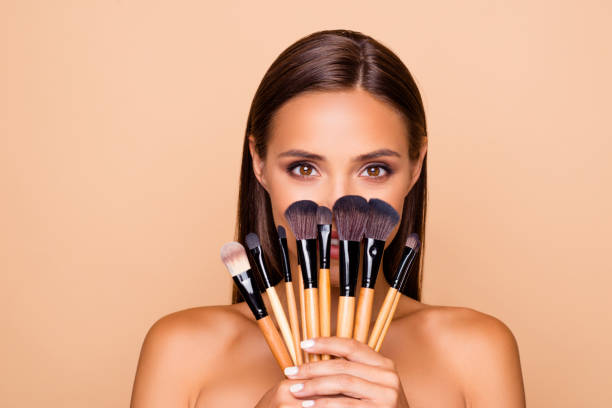
Component specifications should translate the brand’s positioning into measurable requirements for appearance, performance, durability, cost, and production consistency.
Specify the Main Brush Components
Handle and ferrule choices affect the brush’s weight, durability, appearance, cost, and production requirements. The tech pack should define the material, dimensions, shape, color, finish, and target weight of each component.
Common handle materials include wood, bamboo, plastic, and metal. Buyers should compare them based on cost, weight, finishing options, tooling requirements, and sourcing preferences rather than treating one material as inherently better.
Ferrule quality depends on the metal, thickness, adhesive, crimping, and assembly process. These factors should be evaluated together to ensure the brush head remains secure during use and repeated cleaning.
Finishing options include paint, lacquer, soft-touch coating, anodizing, electroplating, brushing, and polishing. Samples should be checked for color consistency, coating adhesion, scratch resistance, and resistance to cosmetics and repeated cleaning.
Align Branding with Commercial Requirements
Logos can be applied through screen printing, pad printing, hot stamping, or laser engraving. The tech pack should specify the artwork, size, placement, color reference, and acceptable tolerances.
Component choices should also match the project’s target price, MOQ, and lead time. Standard molds and finishes usually reduce development requirements, while custom shapes, colors, weight adjustments, and surface treatments may increase tooling costs and sampling time.
If certified wood, recycled plastic, or other sustainability claims are required, buyers should verify that the supplier’s documentation applies to the specified material and order.
Design Packaging Around the Intended Brand Experience

Packaging should balance brand presentation with product protection, production feasibility, shipping efficiency, and the information requirements of the target market.
Align Packaging with Product Positioning and Sales Requirements
Packaging should reflect the product’s positioning and sales channel. Retail products may use compact folding cartons, while professional sets may prioritize reusable storage and gift collections may justify rigid boxes or more elaborate finishes.
The structure should also match the brush configuration. Single brushes may use folding cartons, paper cards, or pouches, whereas brush sets often require trays, rolls, or cases to keep individual brushes in place.
The selected format must provide enough space for labels, barcodes, usage instructions, material information, and other required content. These requirements should be confirmed before the artwork is finalized.
Colors, typography, logos, and finishes should remain consistent with the wider brand identity. Processes such as foil stamping, embossing, spot UV, soft-touch coating, and window cutting can create differentiation.
However, each additional process may affect sampling costs, MOQ, production tolerances, and lead time. Buyers should review these factors before approving the final design.
Balance Protection, Cost, and Production Feasibility
Packaging must protect bristles from deformation and handles from scratching. Trays or inserts should prevent movement and compression without making the brushes difficult to remove.
The packaging should be evaluated with actual brush samples instead of approved from drawings alone. This allows the buyer to check product fit, accessibility, appearance, and protection before production.
Materials and structures should be compared based on unit cost, tooling requirements, MOQ, lead time, storage volume, and shipping weight. Custom trays, magnetic closures, unusual dimensions, and mixed-material structures may increase costs or complicate production.
Oversized packaging can also raise freight and warehousing costs without improving protection. Box dimensions should therefore be confirmed alongside the brush assortment and shipping method.
Where required, packaging tests should assess product movement, bristle deformation, abrasion, compression, and transport-related damage. The approved sample, dimensions, materials, artwork, colors, finishes, and acceptance criteria should then be documented for mass production.
Sustainability claims also require supporting evidence. Claims involving FSC-certified paper, recycled content, organic textiles, or reduced-plastic packaging should be verified through applicable supplier documentation.
Recycling or disposal instructions should reflect the actual material combination and target-market requirements. They should not be based only on general claims about individual packaging materials.
Compare Private Label, Semi-Custom, and Fully Custom Development
Private label, semi-custom, and fully custom development tiers offer varying levels of design freedom, R&D, cost, and differentiation for makeup brushes.
Custom makeup brush projects are commonly described as private label, semi-custom, or fully custom. However, suppliers may define these terms differently. Buyers should confirm which materials, components, dimensions, finishes, and tooling can actually be changed before selecting a development route.
Product and Technical Distinctions
Private Label
Private label development starts with an existing factory design. The brush structure and most component specifications remain unchanged, while the brand may customize selected elements such as the logo, color, finish, or packaging.
This route generally requires less development work and supports faster product launches. It is suitable for brands testing a market with a private label makeup brush line or working with tighter budgets and order quantities.
Semi-Custom
Semi-custom development modifies selected features of an existing design. Depending on the supplier’s tooling and production capabilities, changes may include fiber type, brush-head specifications, handle dimensions, colors, finishes, or packaging.
It offers greater differentiation than private label without requiring every component to be developed from the beginning. Some changes may still require additional sampling, tooling, or higher MOQs.
Fully Custom
Fully custom development involves creating a new or substantially modified brush based on defined performance, ergonomic, visual, or sourcing requirements. The project may include custom brush-head specifications, handles, ferrules, weight distribution, finishes, and packaging.
This route provides the greatest design flexibility but usually requires more technical documentation, sampling, testing, tooling, and production validation. Buyers should establish measurable quality requirements and acceptance criteria before mass production.
| Aspect | Private Label | Semi-Custom | Fully Custom |
|---|---|---|---|
| Brush-head design | Existing factory shapes. | Selected changes within the existing design. | New or substantially modified shapes. |
| Bristle materials | Available factory options. | Alternative types or grades within the supplier’s range. | Materials selected for performance, sourcing, and compliance needs. |
| Ferrule design | Standard ferrule specifications. | Selected changes may be possible with existing tooling. | New dimensions, forming specifications, or tooling may be required. |
| Handle design | Standard shapes with selected colors or finishes. | Limited dimensional or finish changes, subject to production capabilities. | Custom shapes, dimensions, weight, and balance. |
| Packaging | Standard formats with custom artwork. | Modified structures, materials, or inserts. | Custom structures and inserts developed for the product. |
Evaluate MOQ, Sampling Costs, Lead Times, and Manufacturer Capabilities
A suitable manufacturing partner must support the required customization level, order volume, quality standards, and launch schedule—not simply offer the lowest quotation.
Buyers can conduct a makeup brush factory audit to verify whether the supplier’s equipment, processes, capacity, and quality controls support these requirements.
Compare MOQ, Sampling Costs, and Lead-Time Drivers
MOQ depends on the degree of customization and the minimum quantities required for individual components. Existing brush designs, standard materials, and simple logo printing generally support lower MOQs than custom fibers, molded handles, special ferrules, coatings, or packaging.
Buyers should confirm whether the quoted MOQ applies to the entire order, each brush design, or each color. Packaging suppliers may also impose separate minimum quantities that do not match the brush manufacturer’s MOQ.
Sampling costs may include material sourcing, color matching, artwork setup, prototype production, tooling, packaging samples, testing, and shipping. Ask which costs are refundable after an order and whether additional sample rounds will be charged separately.
Lead time should be divided into design confirmation, material sourcing, sample production, revisions, approval, mass production, inspection, and shipping. Complex finishes, new tooling, imported materials, repeated revisions, and peak-season capacity constraints can extend the schedule.
A lower MOQ does not always result in a lower unit cost. Buyers should compare the total project cost, including development fees, tooling, samples, packaging, testing, inspection, and freight.
Verify Manufacturer Capabilities Before Selection
Terms such as OEM, ODM, private label, and custom manufacturing are not used consistently. Buyers should confirm who develops the design, which specifications can be changed, and who owns the tooling and technical documentation.
Review the manufacturer’s experience with similar brush types, materials, finishes, and order volumes. Confirm which processes are completed in-house and which are outsourced, especially molding, coating, plating, printing, packaging, and product testing.
Production capacity should also be evaluated against the required launch schedule. Ask about monthly capacity, peak-season availability, material lead times, and how the factory manages urgent orders or production delays.
Quality control should cover incoming materials, in-process production, finished products, batch traceability, and pre-shipment inspection. The buyer and manufacturer should agree on defect classifications, tolerances, test methods, sampling plans, and procedures for handling nonconforming goods.
All requirements should be documented in an approved technical specification. This should cover materials, dimensions, colors, finishes, artwork, packaging, performance requirements, tolerances, and approved reference samples.
Certificates, test reports, and sustainability documents should be verified for the relevant production site, materials, products, and validity period. A manufacturer’s general certification does not automatically support every product specification or marketing claim.
Turn the Approved Sample Into a Mass-Production Specification
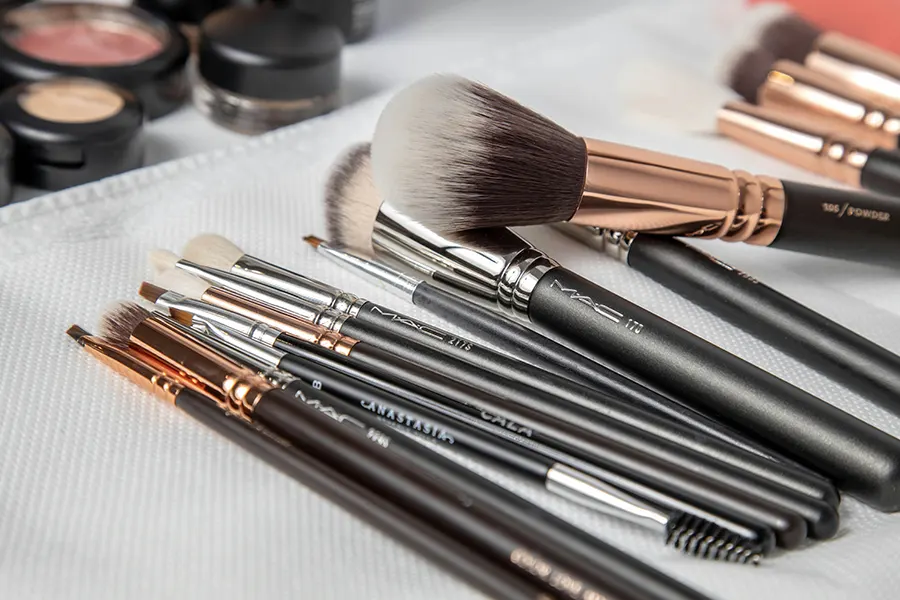
An approved sample alone is not a complete production standard. Consistent mass production requires a controlled specification, measurable acceptance criteria, and an agreed physical reference sample.
Document the Approved Product Specification
The buyer and manufacturer should convert the approved sample into a written product specification. The sample remains the visual and tactile reference, while the document defines measurable requirements, tolerances, test methods, and acceptance criteria.
The specification should cover all product characteristics that affect appearance, performance, assembly, or compliance:
- Fiber and brush head: Record the fiber material, approved grade or equivalent, color, taper, softness, resilience, surface treatment, tuft shape, loft, width, angle, and profile.
- Fill control: Define tuft weight or another practical fill-control method, together with the applicable tolerance. This helps control firmness, product pickup and release, application performance, and shedding.
- Ferrule: Specify the metal, dimensions, shape, finish, crimping requirements, corrosion-resistance requirements, and connection strength.
- Handle: Record the material, dimensions, weight, balance, color, surface finish, and logo position. Wood or bamboo handles may also require agreed moisture-content and storage requirements.
- Adhesive: Identify the approved adhesive or acceptable equivalent, curing requirements, and retention performance.
- Decoration: Define color references, printing or engraving methods, artwork dimensions, placement tolerances, alignment, and wear requirements.
- Packaging: Include materials, dimensions, inserts, artwork, labeling, packing quantities, shipping protection, and any substantiated sustainability requirements.
Not every characteristic needs a numerical tolerance. Visual or tactile features such as softness, brush-head profile, finish, and color may be assessed against approved samples, photographs, color standards, or agreed limit samples.
Define Inspection, Acceptance, and Change-Control Requirements
The production specification should state how the product will be inspected and what constitutes acceptance. Relevant checks may include dimensions, appearance, loose fibers, shedding, tuft retention, ferrule-to-handle strength, coating adhesion, printing durability, corrosion resistance, and packaging accuracy.
Each test should have an agreed method and pass/fail criterion. Chemical or microbiological testing should only be included where required by the product materials, target market, buyer specifications, claims, or documented risk assessment.
The buyer and manufacturer should also agree on incoming-material checks, in-process controls, finished-product inspection, defect classifications, sampling plans, batch traceability, and procedures for handling nonconforming goods.
Before mass production, both parties should approve the specification version and retain matching reference samples. A pilot run may be used to confirm that the approved design can be reproduced under normal production conditions.
Changes to materials, component suppliers, dimensions, colors, finishes, processes, or packaging should require documented review and approval. Changes affecting appearance, performance, compliance, or manufacturability may also require new samples or testing.
Together, the approved sample, written specification, inspection criteria, and controlled revision record create a reproducible standard for mass production.
Final Thoughts
A successful custom makeup brush combines clear design requirements with suitable materials, capable manufacturing, and measurable quality standards. Careful sampling and documented specifications help ensure that the approved design can be reproduced consistently in mass production.
Ready to develop your brush line? Contact our team to discuss your product requirements, customization options, and sampling plan.