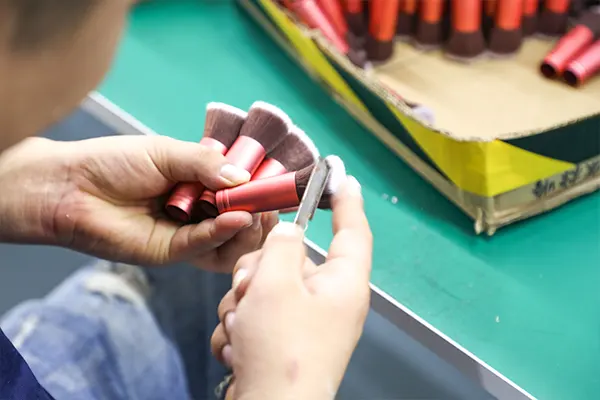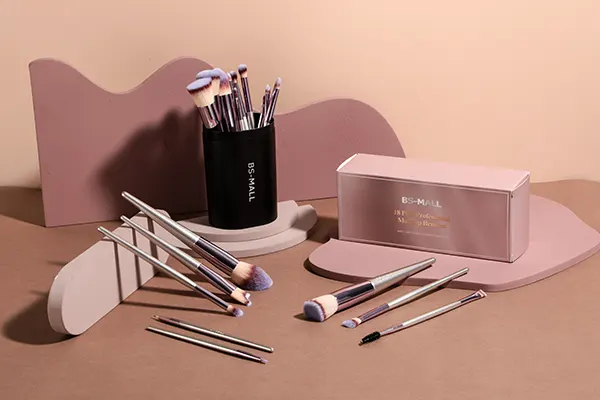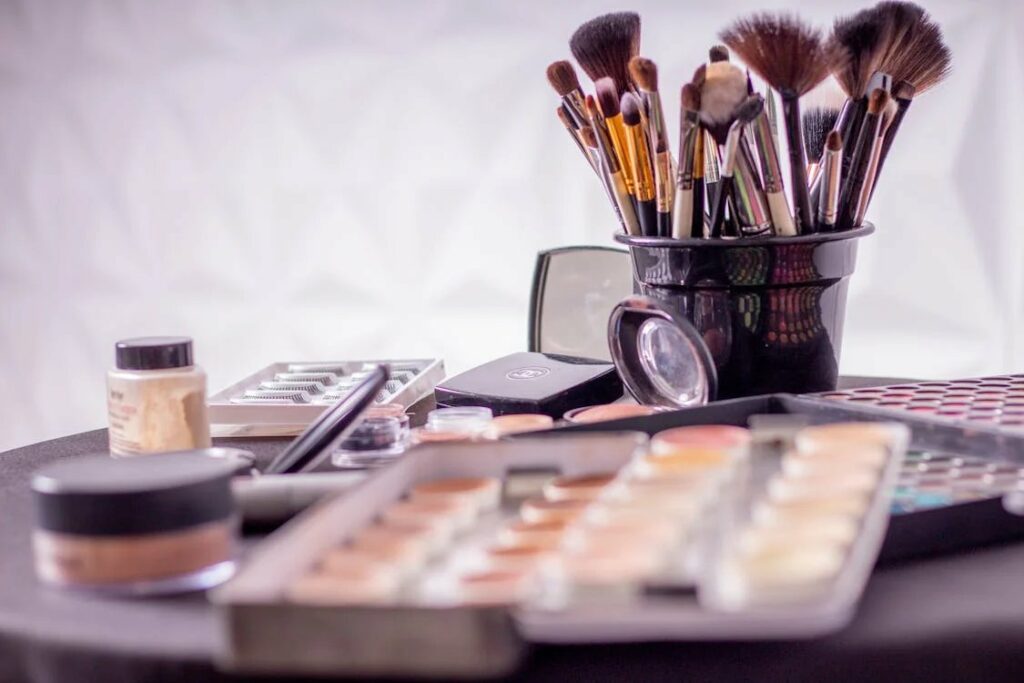


Launching a private label makeup brush brand requires more than choosing a product and adding a logo. Brands need to make the right decisions about product positioning, manufacturing partners, production costs, and sales channels before placing their first order. Неправильный расчет позиционирования бренда, производственная модель, или стратегия канала продаж — это самый быстрый способ ограничить себя низкой прибылью и линейкой продуктов, которая не масштабируется..
This guide compares OEM, ОДМ, and white label manufacturing models to help new brands understand the differences in customization, расходы, and production timelines. We outline the important vetting criteria for factories, из систем качества, таких как ISO 9001 соответствие требованиям конкретного рынка, например, EU REACH, чтобы гарантировать, что ваш запуск основан на стабильной цепочке поставок.
Почему 2026 Является хорошей отправной точкой для частных брендов кистей
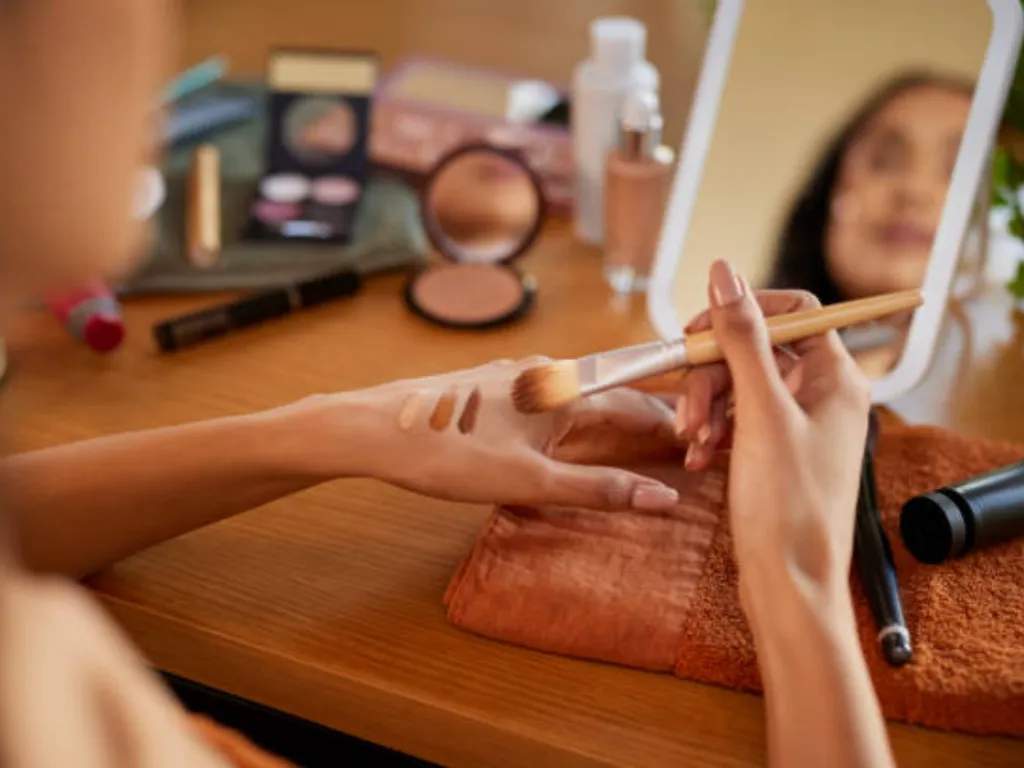
В 2026, растущий рынок косметических инструментов, развитая цепочка поставок, и более низкие затраты на запуск делают частную торговую марку самой разумной, самый быстрый способ запустить бренд кистей для макияжа.
Размер мирового рынка косметических инструментов и прогнозы роста
Рынок красоты в целом продолжает расширяться, и это тянет за собой категорию косметических инструментов. Потребители хотят получить результаты профессионального уровня дома., а бурный рост обучающих программ в социальных сетях стимулирует спрос. Речь идет не только о большем количестве людей, использующих косметику; речь идет о явном сдвиге в сторону более качественных инструментов, особенно на развивающихся рынках.
2026 это особенно хорошее время для входа, поскольку производственная экосистема полностью созрела.. Существует большое количество специализированных партнеров по частным торговым маркам, готовых производить продукцию для новых брендов.. Финансовые препятствия также уменьшились.. То, что раньше стоило где-то от $20,000 слишком $700,000 теперь гораздо доступнее. Модели под собственной торговой маркой с низким минимальным объемом заказа. (Минимальный заказ) have completely made private label models more accessible.
Почему частная торговая марка лучше, чем строительство собственной фабрики
Выбор партнера под частной торговой маркой значительно снижает ваши финансовые риски.. Вы избегаете огромных капиталовложений, необходимых для оборудования., недвижимость, и специализированная рабочая сила. Depending on product requirements and sampling schedules, some private label projects can move from concept to production within a few months. Здание, оснастка, а валидация собственного завода занимает минимум один-два года, если не дольше.
Вы также получаете немедленный доступ к высококачественным материалам и производственному опыту.. Это позволяет вам обойти крутую кривую обучения и высокий процент брака, которые возникают при развитии этих навыков с нуля.. Затем основатели смогут сосредоточить свое время и деньги на том, что на самом деле обеспечивает успех на современном рынке.: создание бренда, маркетинг, и настройка каналов сбыта, не бороться со сложными операционными головными болями.
Определите позиционирование своего бренда прежде всего
Позиционирование – это не маркетинговая задача; это твой бизнес-план. Закрепите свою нишу, цена, клиент, and sales channel before sourcing dictates every product and financial choice you’ll make.
Ниша, ценовой уровень, и целевой клиент
Пытаюсь создать кисти “для всех” это рецепт неудачи. Новые бренды добиваются успеха, выбирая определенный путь. Это могут быть инструменты для выступления артистов., чистые и веганские наборы из экологически чистых материалов, комплекты для начинающих, или даже кисти, оптимизированные для конкретных формул, например кремовых продуктов.. Это решение касается не только маркетинга; он напрямую устанавливает вашу ценовую категорию. Премиум, кисть профессионального художника требует более качественных волокон, утяжеленные ручки, и более приятная упаковка, чем у недорогого стартового набора.. Выбор любого материала влияет на ваши затраты, допуск, и чего ожидают клиенты.
Определение вашего целевого клиента должно быть четким. “Женщины 18-35 кто любит макияж” бесполезно. Подумайте об их реальном уровне навыков: они новички или работающие MUA.? Это определяет сложность ваших наборов кистей.. Учитывайте их ценности. Отдают ли они приоритет устойчивому развитию и веганским материалам?, или они руководствуются определенной эстетикой TikTok?? Зная их основные разочарования (линять, полосатое приложение, ручки, которые выглядят дешево) и приобрести драйвера (рекомендации создателя, дизайн, цена) дает вам фильтр для каждого решения по продукту.
Стратегия канала влияет на каждое дальнейшее решение
Где вы продаете, это не вопрос, который решается в последнюю минуту.; он определяет всю вашу операционную модель. Прямой доступ к потребителю (ДТК) подход через сайт Shopify дает вам полный контроль над брендингом и прибылью.. Вы можете начать экономить всего с несколькими SKU героев., протестировать рынок, и создать сообщество. Здесь, ваша упаковка — ключевая часть маркетинга и опыта распаковки.
Продажа на таких торговых площадках, как Amazon, — это совсем другая игра.. Вы соревнуетесь в многолюдном, ценовое пространство. Ваша упаковка должна быть достаточно прочной для складов FBA и визуально оптимизированной, чтобы привлекать клики по крошечному миниатюре.. Ваша структура затрат также должна включать в себя значительные сборы за платформу.. Оптовая торговля добавляет еще один уровень сложности. Вы должны устанавливать цену на свои щетки, чтобы розничные продавцы могли получить их. 40-60% маржа, продолжая приносить прибыль. Это часто требует больших объемов заказов и готовой к розничной торговле упаковки со специальными штрих-кодами и подвесными ярлычками.. Канал, который вы выберете первым, будет определять дизайн вашего продукта., структура затрат, и скорость с первого дня.
Увеличьте прибыль с помощью востребованных косметических товаров.
Выберите модель производства: OEM, ОДМ, или Белая этикетка
Ваш выбор производства – это компромисс. White Label самый быстрый, ODM сочетает скорость и уникальность, но OEM дает вам контроль, необходимый для создания защищенного бренда..
Ключевые различия и когда подходит каждая модель
Это не академическое упражнение; ваш выбор здесь определяет вашу скорость, расходы, и умение создавать что-то уникальное. Каждая модель решает отдельную бизнес-задачу..
- Белая этикетка: Вы используете готовые заводские, готовые кисти и просто добавьте название своего бренда. Это самый быстрый путь выхода на рынок с наименьшими требованиями к настройке., идеально подходит для брендов, которые хотят быстро ощутить почву.
- ОДМ (Оригинальный производитель дизайна): Вы начинаете с существующей конструкции кисти производителя, а затем модифицируете ее — подумайте о других ручках., цвета, или комбинации щетины. Это твёрдая золотая середина, предлагая баланс между скоростью и созданием чего-то уникального.
- OEM (Производитель оригинального оборудования): Ваши кисти создаются с нуля на основе ваших точных спецификаций.. Этот путь обеспечивает максимальный контроль над каждой деталью и лучше всего подходит для создания премиум-класса., дифференцированная линейка продуктов, которой нет ни у кого другого.
Почему OEM-производители доминируют в категории кистей для макияжа
Хотя другие модели имеют свое место, OEM is often preferred by brands that want greater control over brush design, материалы, and product performance. Сам продукт требует более высокого уровня контроля.
Кисти — это инструменты, чувствительные к дизайну.. Небольшие изменения плотности, форма волокна, и вес ручки напрямую влияют на то, как наносится макияж и как инструмент ощущается в руке.. Полная настройка через OEM чрезвычайно ценна здесь..
OEM позволяет вам создать собственную линейку продуктов. Конкурентам гораздо сложнее воспроизвести это, чем обычный набор «white label», который может получить каждый.. It creates stronger product differentiation and makes it easier for brands to develop unique product lines.
Чтобы соревноваться в 2026, ваша частная торговая марка должна обеспечивать воспринимаемое качество и эргономичность.. OEM позволяет вам зафиксировать точные характеристики, необходимые для того, чтобы позиционировать ваши кисти как профессиональные или художественные..
Механическую структуру кисти гораздо проще настроить, чем сложную косметическую формулу.. Это делает OEM практичным и эффективным путем к достижению значимой дифференциации продукции..
Как найти и проверить производителя кистей для макияжа
Найти хорошую фабрику означает использовать B2B-сайты и торговые выставки для составления списка., затем проверяем их по специализации и истории экспорта – а не просто красивый образец.
| Где искать | 5 Критерии, указывающие на надежность завода |
|---|---|
|
|
Процесс отбора проб: От брифа к золотому образцу
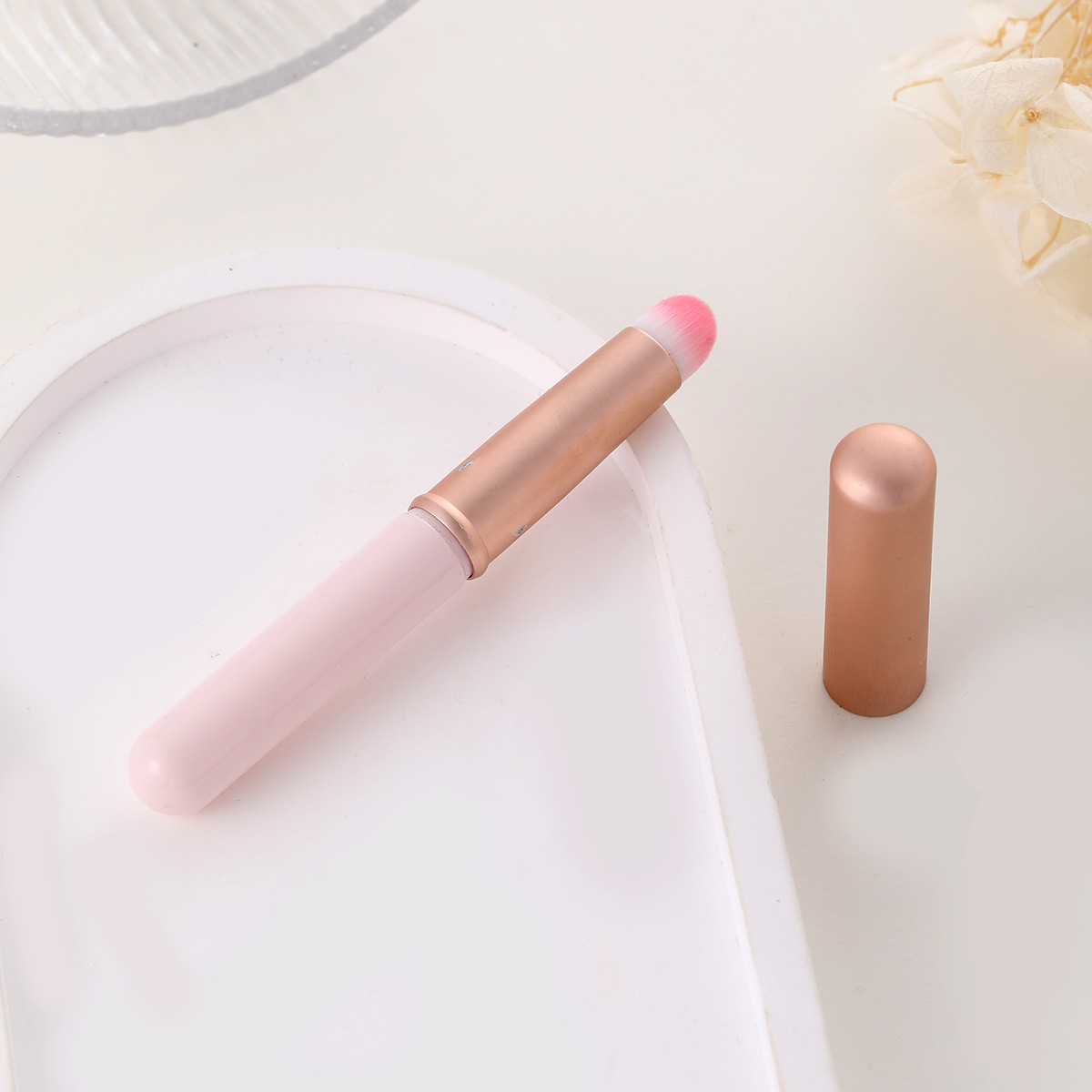
The sampling process is used to confirm product specifications, improve details, and establish an approved sample that the factory follows during mass production.
Сколько раундов ожидать и что решает каждый раунд
Превращение кисти для макияжа от идеи до готового к производству стандарта — многоэтапный процесс.. Не ждите, что справитесь с одним выстрелом. Для большинства проектов частных марок в 2026, вам следует запланировать 2–4 раунда выборки, начиная с подробного описания, определяющего производительность, выглядит, и стоимость.
- Круглый 1 (Начальные образцы): Это ваш первый взгляд. Фабрика переводит ваше задание в физические прототипы.. Вы проверяете форму основной кисти, тип волокна, и разобраться с эргономикой, чтобы убедиться, что они правильно поняли основную идею.
- Круглый 2 (Образцы доработки): Здесь вы исправите то, что было не так в Раунде 1. Акцент смещается на производительность — повышение мягкости, обеспечение отсутствия выпадения, и тестирование смешиваемости. Здесь же вы окончательно определяете материалы и цвета..
- Круглый 3+ (Тонкая настройка): Этот раунд оттачивает последние детали.. Подумайте о точном соответствии цвета Pantone, качество печати логотипа, и проверка соответствия окончательной упаковке. Это обычное явление для кистей особого или престижного уровня..
- Подтверждение Золотого образца: Это финал, одобренная кисть. It becomes the essential quality standard that the factory must perfectly match during bulk production. Никаких оправданий.
Что проверить перед одобрением массового производства
Утверждение окончательного образца – это точка невозврата. Прежде чем вы подпишитесь и разрешите заводу начать полный производственный цикл., тебе нужно провести финал, систематическая проверка каждой детали.
- Производительность продукта & Качество: Систематически проверяйте образец на соответствие «золотому образцу».. Проверьте мягкость, линять, и производительность приложений (подобрать, смешивание). Осмотрите узел на предмет плотного обжима наконечников и убедитесь, что на нем нет излишков клея..
- Визуальный & Проверки брендинга: Убедитесь, что все цвета ручки и наконечника соответствуют утвержденным кодам Pantone.. Убедитесь, что логотипы написаны правильно, идеально расположен, и достаточно прочные, чтобы не стираться.
- Упаковка & Логистика: Убедитесь, что кисти надежно помещаются в окончательную упаковку, не повреждая волокна.. Убедитесь, что основные транспортировочные коробки достаточно прочны, чтобы выдержать транспортировку..
- Регуляторный & Согласие: Убедитесь, что все материалы соответствуют стандартам безопасности на ваших целевых рынках., как ЕС REACH. Если вы утверждаете, что щетки «веганские» или «не подвергаются жестокому обращению»,,” вам нужна документация, подтверждающая это.
- Коммерческий & Оперативный: Зафиксируйте окончательную стоимость единицы. Убедитесь, что сроки производства соответствуют вашему графику запуска.. Определить план контроля качества (AQL) который будет использоваться для окончательной проверки.
Упаковка, Брендинг, и требования соответствия
Современная упаковка кистей должна сбалансировать премиальную стоимость., готовый к использованию в социальных сетях опыт распаковки, устойчивый подход и строгие правила соответствия для таких рынков, как ЕС и США..
Дизайн этикетки, отделка печати, и опыт распаковки
Этикетка на кисточке для макияжа или ее упаковке предназначена не только для брендинга.; он должен нести конкретную информацию для обеспечения прозрачности и таможни.. Лицевая сторона упаковки должна быть чистой., демонстрация логотипа бренда, название продукта, и основное утверждение типа «Веганский & Без жестокости». Все подробно — инструкция по использованию, списки материалов, и адреса компаний — место на оборотной стороне.
Важная информация для рынков США и ЕС включает в себя:
- Идентификация бренда: Ваш бренд, логотип, и полный почтовый адрес ответственной компании.
- Идентификация продукта: Название кисти (НАПРИМЕР., «Кисть для растушевки»), Артикул, и укажите имя, если применимо.
- Страна происхождения: Обязательное “Сделано в [Страна]” отметка.
- Количество штук: Количество кистей в наборе.
- Раскрытие информации: Простой список, например «Синтетическая щетина»., алюминиевый наконечник, деревянная ручка».
- Пакетный код: Номер партии для отслеживания и контроля качества..
Физическое ощущение упаковки и кисти усиливает вашу цену.. The packaging materials and finishes should match the brand’s positioning and target price range. На самой кисти, лазерная гравировка или тиснение прочной фольгой для логотипа – лучший выбор, чем простая тампопечать, так как выдерживает многократную стирку. Отделка ручки также должна соответствовать вашему бренду.; матовые или сатиновые покрытия уменьшают блики и отпечатки пальцев на фотографиях..
Для брендов, ориентированных непосредственно на потребителя, опыт распаковки — критический маркетинговый момент. Многоуровневое раскрытие: открываем почтовую папку и находим фирменную папиросную бумагу., затем коробка с продуктом, и, наконец, аккуратно расположенные кисти — создают контент для социальных сетей.. Использование вкладышей из формованной бумажной массы вместо одноразовых пластиковых лотков соответствует ожиданиям устойчивого развития.. Небольшие точки соприкосновения, такие как распечатанная карточка по уходу с инструкциями по стирке или QR-код со ссылкой на учебные пособия, добавляют значительную воспринимаемую ценность..
Соответствие требованиям рынка (Я ДОСТИГАЮ, КПСИА США, веганские претензии)
Кисти для макияжа обычно классифицируются как “статьи,” не косметические составы. Это означает, что они подпадают под действие различных правил, касающихся безопасности материалов.. Для рынка ЕС, EU REACH является основной структурой. Вы должны убедиться, что ваши щетки и упаковка не содержат веществ, вызывающих особую озабоченность. (СВХК) как некоторые фталаты или тяжелые металлы выше 0.1% порог. Your manufacturer must provide verified compliance declarations for every component according to the strict chemical thresholds defined in the official EU REACH Regulation (ЕС) Нет 1907/2006, ensuring all handles, щетинка, клеи, and surface coatings remain structurally compliant before customs entry.
В США, Закон о повышении безопасности потребительских товаров (КПСИА) становится актуальным, если вашими кистями смогут пользоваться дети. Это приводит к строгим ограничениям на содержание свинца в красках и подложках., а также некоторые фталаты в пластиковых деталях. Мини-щетки или наборы со съемными частями также могут потребовать тестирования мелких деталей, чтобы их не классифицировали как опасность удушья.. Щетки для взрослых не требуют сертификата детской продукции. (КТК), они по-прежнему не должны содержать запрещенных опасных веществ.
Заявления о веганстве и отсутствии жестокости теперь являются стандартными ожиданиями.. Создание “веган” претензия заключается не только в использовании синтетической щетины. Вы также должны убедиться, что никакие материалы животного происхождения не используются где-либо еще.. Это включает в себя:
- Щетина: Должно быть 100% синтетический (НАПРИМЕР., Пбт, нейлон) без шерсти животных.
- Клеи: Клеи, используемые для фиксации щетинок в наконечнике, не должны содержать компоненты животного происхождения, такие как казеин или желатин..
- Ручки & Покрытия: Должен быть свободен от материалов животного происхождения, например, некоторые лаки или кожаные акценты.
Получите письменное подтверждение от вашего производителя по всем этим пунктам.. Расплывчатые утверждения вроде “экологически чистый” менее эффективны и могут привлечь внимание регулирующих органов. Лучше быть конкретным с такими утверждениями, как “Ручка изготовлена из древесины, сертифицированной FSC.” или “Коробка изготовлена из 80% переработанный картон.”
Выбор канала продаж

Your sales channel affects many operational decisions, including pricing, packaging requirements, and inventory planning.
ДТК (Shopify) против Amazon FBA против оптовой продажи
Каждый канал служит совершенно разной стратегической цели.. Выбор правильного в первую очередь полностью зависит от ваших целей в отношении денежного потока., контроль бренда, и объем.
- ДТК (Shopify): Это ваш канал для создания настоящего бренда с высокой долгосрочной прибылью.. Вы владеете данными клиентов, контролировать опыт, и может создать сообщество. Улов? Вы должны генерировать каждого посетителя самостоятельно.
- Амазонка ФБА: Перейдите сюда, чтобы захватить существующие, поисковый трафик с высоким намерением. Amazon — это конверсионная машина, которая занимается логистикой., но комиссии съедят вашу прибыль. Конкуренция жесткая, и вы почти не можете контролировать презентацию вашего бренда или отношения с клиентами..
- Оптовая продажа: Этот канал обеспечивает объем, мгновенный авторитет, и представит ваш продукт на виду у пешеходов. Но ваша прибыль за единицу намного ниже, денежный поток медленнее из-за условий оплаты, и вы должны соблюдать строгие стандарты розничной торговли во всем, от упаковки до доставки..
Как выбор канала влияет на характеристики упаковки и минимальный заказ
Ваша стратегия сбыта напрямую диктует ваши требования к физическому продукту.. Вы не сможете разработать упаковку или спланировать свои запасы, пока не узнаете, где продаете..
- Характеристики упаковки: Для ДТК, упаковка это маркетинг. Все дело в рассказывании историй бренда и создании незабываемых впечатлений от распаковки.. Для Амазонки, упаковка это логистика. Он должен быть прочным, иметь сканируемый штрих-код, и быть оптимизированы для выживания в условиях склада. Оптом, упаковка должна быть готова к розничной продаже. Он должен соответствовать планограммам магазинов., повесить на крючок, и продать себя на переполненной полке.
- Минимальный объем заказа (Могил): Бренд, ориентированный на DTC, может обойтись минимальными минимальными объемами заказа., что делает его идеальным для тестирования новых продуктов. Amazon с самого начала требует более высоких уровней запасов; отсутствие товара на складе снижает ваш рейтинг в поиске, так что вам нужно заказать больше. Для оптовой продажи требуется самый большой минимальный заказ для выполнения заказов на поставку, которые одновременно обслуживают десятки или сотни магазинов..
Контрольный список запуска: Что нужно подготовить перед первым заказом
Прежде чем тратить ни копейки на инвентарь, убедитесь, что ваш продукт, производство, и коммерческий фундамент прочный. Этот контрольный список предотвращает дорогостоящие доработки и задержки запуска..
For emerging entrepreneurs, mapping out these operational foundations is the single most effective baseline to avoid the costly mistakes new beauty brands make when sourcing makeup brushes during their initial production cycle.
Основы продукта и производства
These steps provide the foundation for a smoother product development and manufacturing process. Прежде чем продолжить, вам нужна абсолютная ясность в отношении того, что вы делаете и кто это будет делать..
- Отработайте свою стратегию. Окончательно определите, кому вы продаете, что означает ваш бренд, и целенаправленная стартовая линейка продуктов. Думать 3-5 основные щетки или наборы, не большой каталог.
- Создайте подробные технические спецификации. Документируйте все для каждой кисти: материал и плотность щетины, тип и отделка наконечника, вес ручки и покрытие, и точное размещение брендинга. Никакой двусмысленности.
- Список ваших производителей. Иметь 2-3 проверенные фабрики готовы к работе. Подтвердите их реальный минимальный объем заказа (Минимальный заказ), сроки изготовления, и любые сертификаты качества, которыми они действительно обладают.
- Заблокируйте процесс отбора проб. Определите критерии оценки эффективности, качество, и чувствовать. Вам нужна формальная система для проверки образцов, прежде чем приступить к полному производству..
Коммерческая инфраструктура и инфраструктура выхода на рынок
Отличный продукт, который невозможно продать, — это просто хобби.. Ваш коммерческий двигатель должен быть построен и готов к запуску в тот момент, когда ваш инвентарь поступит в продажу..
- Подготовьте свое произведение искусства к производству. Все ваши файлы для фирменного стиля, упаковочные линии, логотипы и логотипы на продуктах должны быть доработаны и отформатированы для вашего производителя..
- Создайте свою цифровую витрину. Настройте свой сайт электронной коммерции с профессиональными фотографиями продуктов, резкие описания, и четкая операционная политика в отношении доставки и возврата. Он должен выглядеть законным с первого дня.
- Завершите свой финансовый план. Зафиксируйте свою полную модель конечной стоимости, розничные цены, целевые показатели маржи, и ваш стартовый бюджет. Знай свои цифры холодно.
- Разработайте 30-дневный план запуска. Определите свои ключевые сообщения, создать ресурсы контента, и решите, какие каналы вы будете использовать для увеличения продаж в первый месяц.. Планируйте работу, тогда работай по плану.
Распространенные ошибки при первом запуске и как их избежать
Большинство новых брендов кистей терпят неудачу из-за невынужденных ошибок.: запуск слишком большого количества продуктов без проверки и наличие общего бренда без маркетингового бюджета.. Начните сфокусироваться и начните с этого..
Ошибки в продуктах и цепочках поставок
Запуск со слишком большим количеством SKU — классическая ловушка.. Он связывает весь ваш капитал с запасами, которые не были проверены на рынке.. Более разумный подход — начать с основного направления 5-10 необходимые кисти, проверено посредством предварительных заказов или небольшого пилотного запуска для подтверждения спроса.
Выбор производителя, основываясь только на стоимости единицы продукции, невероятно рискован.. Дешевая кисть, которая линяет или ломается, — убийца бренда.. Вам необходимо проверить партнеров на наличие сертификатов качества., их способность обрабатывать ваши конкретные настройки, и их коммуникативные навыки. Молчаливый поставщик — главный тревожный сигнал.
Негативные отзывы о выпадающей щетине, свободные наконечники, или сколы краски могут затопить катер еще до того, как он начнет движение.. Вам необходимо провести стресс-тесты на уровне партии перед отправкой продукта.. Помойте их, потянуть за них, и посмотрим, выдержат ли они. Не позволяйте клиентам проверять качество за вас.
Разработка слишком сложных форм кистей для первого запуска — хороший способ сжечь деньги и время.. Для вашего первого запуска, придерживаться проверенного, стандартные формы головок щетки, которые работают. Вы можете создать уникальное изделие, персонализируя ручки., цвета, и отделка — именно здесь вы создаете индивидуальность своего бренда, не принимая на себя ненужные производственные риски..
Неопределенный бренд и слабая стратегия выхода на рынок
Пытаюсь создать кисти “для всех” приводит к слабым сообщениям, которые никому не нравятся. Сначала вам необходимо определить основной профиль клиента.. Подходит ли профессиональному визажисту, которому нужна стойкость?? Или экологически сознательный пользователь, который ценит экологичные материалы.? Это решение должно определять каждый ваш выбор..
Обычные щетки исчезают на переполненном рынке. Вы должны найти способ дифференцировать. Это может быть достигнуто благодаря уникальным материалам рукоятки., целостная цветовая история, которая выделяется визуально, или ориентация на конкретную нишу, как компактный, удобный для путешествий дизайн.
Недостаточное инвестирование в маркетинг — фатальная ошибка. Хороший продукт сам себя не продает. Вы должны выделить реальный бюджет на создание контента., посев влиятельных лиц, and paid media before the launch day. Если никто не знает, что ты существуешь, у тебя нет дел. To amplify early velocity, brand owners must understand how beauty influencers create their own makeup brush line and leverage those exact seeding frameworks to co-create high-engagement digital content that drives immediate conversion.
Если вы не можете объяснить, что делает ваши кисти лучше, их ценность равна нулю. Слабое повествование так же плохо, как и плохо сделанный продукт.. Инвестируйте в высококачественные фотографии и видео, на которых показаны конкретные функции каждой кисти., подчеркнуть его уникальные особенности, и продемонстрировать реальные результаты.
Часто задаваемые вопросы
Какой бюджет мне нужен, чтобы запустить собственный бренд кистей в США? 2026?
Запуск собственного бренда кистей для макияжа в 2026 имеет гибкий бюджетный диапазон. Для быстрого онлайн-тестирования с 1–3 кистями и низким минимальным заказом., бюджет около 1500–5000 долларов вполне реален.. Более профессиональный запуск с целостным фирменным стилем и 3–8 кистями обычно требует 5000–20 000 долларов США.. За агрессивную стратегию роста, ориентированную на розничную торговлю, ожидать, что затраты превысят $20,000. Выпуск кистей обходится дешевле, чем косметика, поскольку они не требуют разработки формулы.. Ваши основные затраты будут заключаться в инвентаризации., упаковка, брендинг, настройка электронной коммерции, и маркетинг.
В чем разница между кистями для макияжа под собственной торговой маркой и с белой этикеткой??
Ключевое отличие – эксклюзивность и персонализация.. С частной торговой маркой, производитель изготавливает кисти исключительно для вашего бренда по вашему заданию на форму, материалы, и дизайн. Конечный продукт уникален для вас. С белой этикеткой, вы размещаете свой логотип на обычном, уже существующая кисть, которую производитель продает многим другим брендам.. White Label быстрее и часто дешевле, но товар не эксклюзивный, что может привести к прямой ценовой конкуренции. Частная торговая марка требует больше времени и инвестиций, но дает вам уникальный продукт, который помогает создать отличный бренд..
Сколько времени занимает доставка моих кистей от заказа до доставки??
Сроки зависят от уровня настройки.. Для стандартных кистей под собственной торговой маркой (стоковые макеты с вашим логотипом), производство и брендинг занимают около 2–4 недель. Включая доставку, вы можете ожидать доставку через 3–7 недель. Для полностью настраиваемых кистей, созданных с нуля., процесс более длительный. Он включает в себя недели отбора проб и проверок перед началом производства.. Изготовление по индивидуальному заказу может занять 6–8 недель., общее время от заказа до доставки приближается к 10–14 неделям. Хороший ориентир для планирования нового запуска, от стратегии до прибытия инвентаря, речь идет о 90 дни.
Нужна ли мне зарегистрированная торговая марка, прежде чем я начну продавать??
По закону вам не требуется иметь зарегистрированный товарный знак, чтобы начать продавать кисти для макияжа.. Вы можете сразу начать использовать название своего бренда и логотип.. Но, ранняя регистрация товарного знака — разумное решение для долгосрочной защиты бренда. Зарегистрированный товарный знак дает вам исключительные права на ваше имя и логотип., что поможет вам остановить подражателей. Это также ключевое требование для доступа к инструментам защиты бренда на крупных онлайн-рынках, таких как Amazon.. Хотя вы можете запустить первым, подача заявки на товарный знак должна быть первоочередной задачей для защиты вашего бренда по мере его роста..
Заключительные мысли
Launching a brush brand requires careful planning across product development, производство, брендинг, and sales strategy. Основы, описанные в этом руководстве — от позиционирования бренда до OEM-производства — являются вашей защитой от конкуренции на рынке сырьевых товаров и распространенных ошибок, которые губят новые предприятия..
EXECUTIVE STRATEGIC INITIATIVE
Launching a premium cosmetic tool enterprise requires converting high-level supply chain strategy into rigorous execution. Mitigating engineering risks and securing cross-border compliance certificates cannot be left to chance.
Align your product portfolio with a Tier-1 manufacturing partner equipped to safeguard your margins and scale your distribution. Contact our cross-border engineering and compliance advisory teams today to submit your initial design specifications, lock in your technical brief, and fast-track your priority OEM/ODM contract production allocation.