

Launching a private label makeup brush brand requires more than choosing a product and adding a logo. Brands need to make the right decisions about product positioning, manufacturing partners, production costs, and sales channels before placing their first order. Miscalculating your brand positioning, manufacturing model, or sales channel strategy is the fastest way to lock yourself into low margins and a product line that fails to scale.
This guide compares OEM, ODM, and white label manufacturing models to help new brands understand the differences in customization, coût, and production timelines. We outline the important vetting criteria for factories, from quality systems like ISO 9001 to market-specific compliance such as EU REACH, to ensure your launch is built on a stable supply chain.
Pourquoi 2026 Is a Strong Entry Point for Private Label Brush Brands
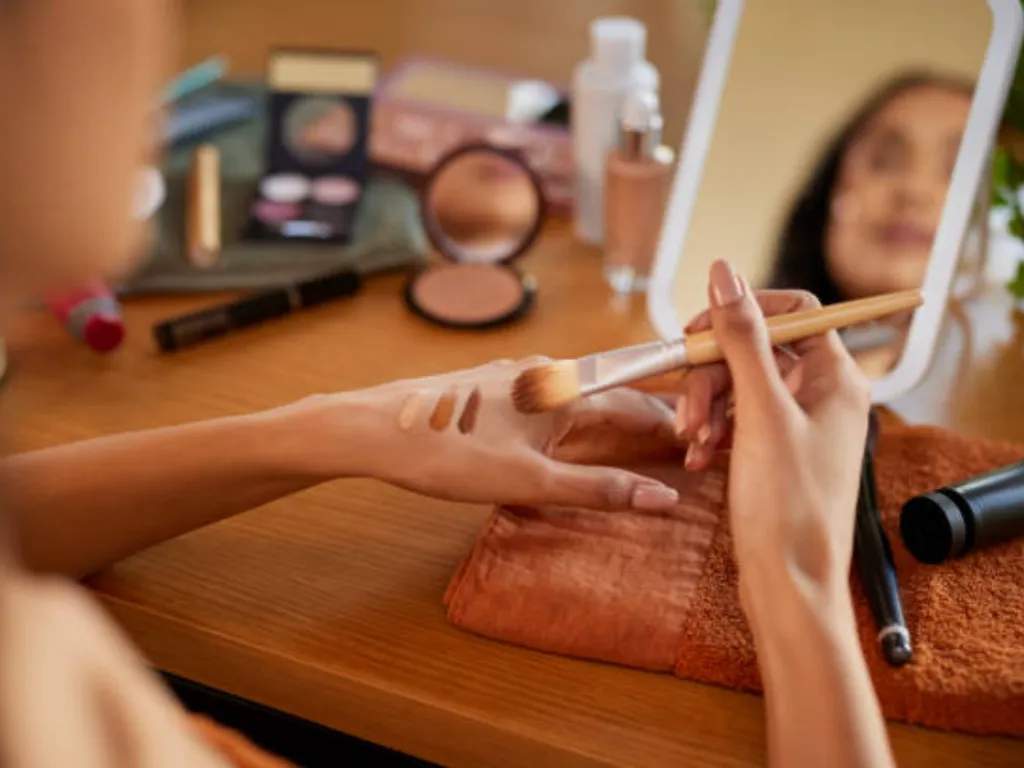
Dans 2026, a growing beauty tools market, a mature supply chain, and lower startup costs make private label the smartest, fastest way to launch a makeup brush brand.
Global beauty tools market size and growth projections
The overall beauty market keeps expanding, and it’s pulling the beauty tools category right along with it. Consumers want professional-level results at home, and the explosion of social media tutorials is fueling demand. This isn’t just about more people using makeup; it’s about a clear shift toward higher-quality tools, especially in emerging markets.
2026 is an especially good time to enter because the manufacturing ecosystem is fully mature. There’s a deep bench of specialized private label partners ready to produce for new brands. The financial hurdles have also dropped. What used to cost anywhere from $20,000 to over $700,000 is now far more accessible. Private label models with low minimum order quantities (MOQ) have completely made private label models more accessible.
Why private label beats building your own factory
Choosing a private label partner drastically cuts your financial risk. You avoid the massive capital investment needed for machinery, real estate, and a specialized workforce. Depending on product requirements and sampling schedules, some private label projects can move from concept to production within a few months. Building, outillage, and validating your own factory takes at least one to two years, if not longer.
You also get immediate access to top-tier materials and manufacturing expertise. This lets you bypass the steep learning curve and high scrap rates that come with developing these skills from scratch. Founders can then focus their time and money on what actually drives success in today’s market: building the brand, commercialisation, and setting up distribution channels, not wrestling with complex operational headaches.
Define Your Brand Positioning Before Anything Else
Positioning isn’t a marketing task; it’s your business plan. Nailing down your niche, price, customer, and sales channel before sourcing dictates every product and financial choice you’ll make.
Niche, price tier, and target customer
Trying to create brushes “for everyone” is a recipe for failure. New brands succeed by picking a specific lane. This could be pro-artist performance tools, clean and vegan sets with sustainable materials, beginner-friendly kits, or even brushes optimized for specific formulas like cream products. This decision isn’t just about marketing; it directly sets your price tier. A premium, pro-artist brush requires better fibers, weighted handles, and nicer packaging than a value-priced starter kit. Every material choice impacts your cost, margin, and what customers expect.
Your target customer definition needs to be sharp. “Femmes 18-35 who like makeup” is useless. Think about their actual skill level—are they a beginner or a working MUA? This dictates the complexity of your brush sets. Consider their values. Do they prioritize sustainability and vegan materials, or are they driven by a specific TikTok aesthetic? Knowing their core frustrations (perte, streaky application, handles that look cheap) and purchase drivers (creator recommendations, conception, price) gives you a filter for every product decision.
Channel strategy shapes every downstream decision
Where you sell is not a last-minute detail; it defines your entire operational model. A direct-to-consumer (DTC) approach via a Shopify site gives you full control over branding and margins. You can start lean with just a few hero SKUs, test the market, and build a community. Ici, your packaging is a key part of the marketing and unboxing experience.
Selling on marketplaces like Amazon is a different game. You’re competing in a crowded, price-sensitive space. Your packaging must be durable enough for FBA warehouses and visually optimized to win clicks from a tiny thumbnail. Your cost structure also has to absorb significant platform fees. Wholesale adds another layer of complexity. You must price your brushes to give retailers their 40-60% margin while still making a profit. This often requires larger order volumes and retail-ready packaging with specific barcodes and hang tabs. The channel you choose first will dictate your product design, cost structure, and speed from day one.
Boost profits with high-demand beauty essentials.
Choose Your Manufacturing Model: OEM, ODM, or White Label
Your manufacturing choice is a trade-off. White Label is fastest, ODM balances speed and uniqueness, but OEM gives you the control needed to build a defensible brand.
Key differences and when each model fits
This isn’t an academic exercise; your choice here dictates your speed, coût, and ability to create something unique. Each model solves a different business problem.
- White Label: You use a factory’s pre-made, off-the-shelf brushes and just add your brand name. This is the fastest route to market with the least customization, ideal for brands that want to test the waters quickly.
- ODM (Fabricant de conception originale): You start with a manufacturer’s existing brush design and then modify it—think different handles, couleurs, or bristle combinations. It’s a solid middle ground, offering a balance between speed and creating something unique.
- OEM (Fabricant d'équipement d'origine): Your brushes are built from the ground up based on your exact specifications. This path provides maximum control over every detail and is best for creating a premium, differentiated product line that no one else has.
Why OEM dominates the makeup brush category
While other models have their place, OEM is often preferred by brands that want greater control over brush design, matériels, and product performance. The product itself demands a higher level of control.
Brushes are design-sensitive tools. Small shifts in density, fiber shape, and handle weight directly impact how makeup applies and how the tool feels in hand. Full customization through OEM is extremely valuable here.
OEM lets you create a proprietary product line. This is much harder for competitors to replicate than a generic white-label set that anyone can source. It creates stronger product differentiation and makes it easier for brands to develop unique product lines.
To compete in 2026, your private label needs to deliver on perceived quality and ergonomic performance. OEM allows you to lock in the exact specifications needed to position your brushes as professional or artist-grade.
The mechanical structure of a brush is far simpler to customize than a complex cosmetic formula. This makes OEM a practical and effective path to achieving meaningful product differentiation.
How to Find and Vet a Makeup Brush Manufacturer
Finding a good factory means using B2B sites and trade shows to build a list, then vetting them on specialization and export history—not just a nice-looking sample.
| Where to Search | 5 Criteria That Signal a Reliable Factory |
|---|---|
|
|
The Sampling Process: From Brief to Golden Sample
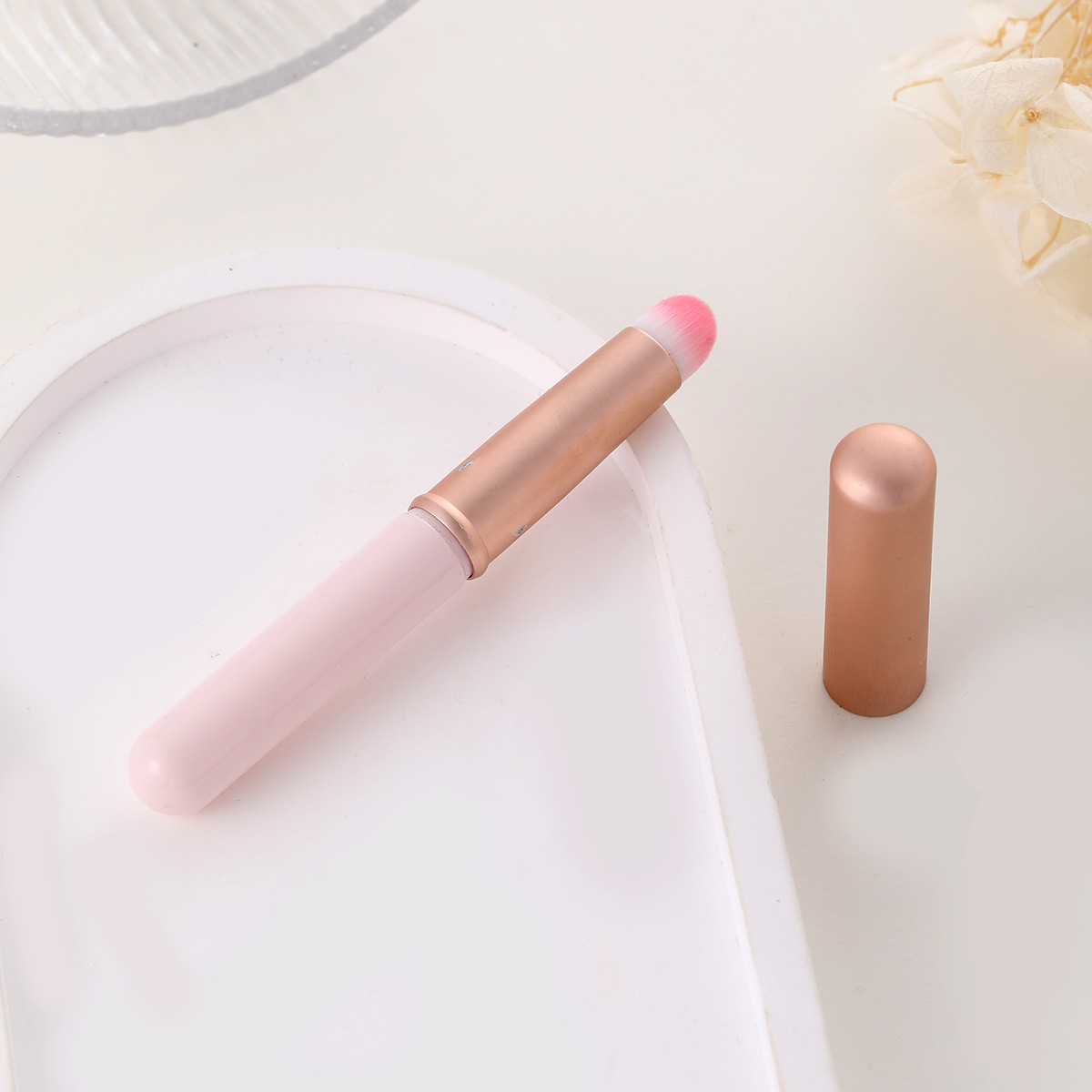
The sampling process is used to confirm product specifications, improve details, and establish an approved sample that the factory follows during mass production.
How many rounds to expect and what each round resolves
Getting a makeup brush from an idea to a production-ready standard is a multi-step process. Don’t expect to nail it in one shot. For most private label projects in 2026, you should plan for 2–4 sample rounds, starting with a detailed brief that defines performance, looks, and cost.
- Rond 1 (Initial Samples): This is your first look. The factory translates your brief into physical prototypes. You’re checking the core brush shape, fiber type, and handle ergonomics to confirm they got the basic idea right.
- Rond 2 (Refinement Samples): Here you fix what was wrong in Round 1. The focus shifts to performance—dialing in softness, ensuring no shedding, and testing blendability. This is also where you finalize materials and colors.
- Rond 3+ (Fine-tuning): This round polishes the final details. Think exact Pantone color matching, logo printing quality, and checking the fit with final packaging. It’s common for highly custom or prestige-level brushes.
- Golden Sample Confirmation: This is the final, approved brush. It becomes the essential quality standard that the factory must perfectly match during bulk production. No excuses.
What to check before approving bulk production
Approving the final sample is the point of no return. Before you sign off and authorize the factory to start the full production run, you need to run a final, systematic check on every detail.
- Product Performance & Qualité: Systematically test the sample against the golden sample. Check softness, perte, and application performance (pickup, mélange). Inspect the assembly for tight ferrule crimps and make sure there’s no excess glue.
- Visual & Branding Checks: Verify all colors on the handle and ferrule match the approved Pantone codes. Make sure logos are spelled correctly, placed perfectly, and are durable enough not to rub off.
- Conditionnement & Logistics: Confirm the brushes fit securely into their final packaging without damaging the fibers. Ensure the master shipping cartons are robust enough to survive transit.
- Regulatory & Conformité: Check that all materials comply with safety standards in your target markets, like EU REACH. If you claim the brushes are “vegan” or “cruelty-free,” you need the documentation to prove it.
- Commercial & Operational: Lock in the final unit cost. Confirm the production lead times align with your launch schedule. Define the quality control plan (AQL) that will be used for final inspection.
Conditionnement, Image de marque, and Compliance Requirements
Modern brush packaging must balance a premium, social-media-ready unboxing experience with sustainability and strict compliance rules for markets like the EU and US.
Label design, print finish, and unboxing experience
The label on a makeup brush or its packaging isn’t just for branding; it has to carry specific information for transparency and customs. The front of the pack should be clean, showing the brand logo, product name, and a primary claim like “Vegan & Cruelty-Free.” All the detailed stuff—usage instructions, material lists, and company addresses—belongs on the back.
Essential information for US and EU markets includes:
- Brand Identification: Your brand name, logo, and the full postal address of the responsible company.
- Product Identification: The brush name (par ex., “Blending Brush”), UGS, and set name if applicable.
- Country of Origin: A mandatory “Made in [Country]” mark.
- Piece Count: The number of brushes in a set.
- Material Disclosure: A simple list like “Synthetic bristles, virole en aluminium, wooden handle.”
- Batch Code: A lot number for traceability and quality control.
The physical feel of the packaging and brush reinforces your price point. The packaging materials and finishes should match the brand’s positioning and target price range. On the brush itself, laser engraving or durable foil stamping for the logo is a better choice than simple pad printing, as it withstands repeated washing. The handle finish should also align with your brand; matte or satin coatings tend to reduce glare and fingerprints in photos.
For direct-to-consumer brands, the unboxing experience is a critical marketing moment. A layered reveal—opening a mailer to find branded tissue paper, then the product box, and finally the neatly arranged brushes—creates content for social media. Using molded paper pulp inserts instead of single-use plastic trays aligns with sustainability expectations. Small touchpoints like a printed care card with washing instructions or a QR code linking to tutorials add significant perceived value.
Market-specific compliance (EU REACH, US CPSIA, vegan claims)
Makeup brushes are typically classified as “articles,” not cosmetic formulations. This means they fall under different regulations focused on material safety. For the EU market, EU REACH is the main framework. You must ensure your brushes and packaging do not contain Substances of Very High Concern (SVHCs) like certain phthalates or heavy metals above the 0.1% threshold. Your manufacturer must provide verified compliance declarations for every component according to the strict chemical thresholds defined in the official EU REACH Regulation (CE) Non 1907/2006, ensuring all handles, poil, colles, and surface coatings remain structurally compliant before customs entry.
In the US, the Consumer Product Safety Improvement Act (CPSIA) becomes relevant if your brushes could be used by children. This triggers strict limits on lead in paint and substrates, as well as certain phthalates in plastic parts. Mini brushes or sets with detachable parts could also require small-parts testing to avoid being classified as a choke hazard. While brushes for adults don’t require a Children’s Product Certificate (CPC), they still must be free of banned hazardous substances.
Vegan and cruelty-free claims are now standard expectations. Making a “végétalien” claim is more than just using synthetic bristles. You must also verify that no animal-derived materials are used anywhere else. This includes:
- Poils: Must be 100% synthétique (par ex., PBT, nylon) with no animal hair.
- Adhesives: Glues used to secure the bristles into the ferrule cannot contain animal-derived components like casein or gelatin.
- Poignées & Coatings: Must be free from animal-derived materials, such as certain lacquers or leather accents.
Get written confirmation from your manufacturer for all these points. De vagues affirmations comme “écologique” are less effective and can attract regulatory scrutiny. It’s better to be specific with statements like “Handle made from FSC-certified wood” ou “Box made from 80% recycled paperboard.”
Choosing Your Sales Channel

Your sales channel affects many operational decisions, including pricing, packaging requirements, and inventory planning.
DTC (Faire du shoprif) vs Amazon FBA vs wholesale
Each channel serves a totally different strategic purpose. Choosing the right one first depends entirely on your goals for cash flow, brand control, and volume.
- DTC (Faire du shoprif): This is your channel for building a real brand with high long-term margins. You own the customer data, control the experience, and can build a community. The catch? You have to generate every single visitor yourself.
- Amazon FBA: Go here to capture existing, high-intent search traffic. Amazon is a conversion machine and handles the logistics, but the fees will eat into your margins. Competition is fierce, and you have almost no control over your brand’s presentation or customer relationships.
- De gros: This channel delivers volume, instant credibility, and gets your product in front of foot traffic. But your per-unit margins are much lower, cash flow is slower due to payment terms, and you have to meet strict retailer standards for everything from packaging to delivery.
How channel choice affects packaging specs and MOQ
Your channel strategy directly dictates your physical product requirements. You can’t design your packaging or plan your inventory until you know where you’re selling.
- Packaging Specs: For DTC, packaging is marketing. It’s all about brand storytelling and creating a memorable unboxing experience. For Amazon, packaging is logistics. It needs to be durable, have a scannable barcode, and be optimized to survive a warehouse environment. In wholesale, packaging must be retail-ready. It needs to fit store planograms, hang on a peg, and sell itself on a crowded shelf.
- Quantités minimales de commande (MOQ): A DTC-first brand can get away with the lowest MOQs, making it perfect for testing new products. Amazon demands higher inventory levels from the start; going out of stock kills your search ranking, so you need to order more. Wholesale requires the largest MOQs by far to fulfill purchase orders that service dozens or hundreds of stores at once.
Launch Checklist: What to Have Ready Before Your First Order
Before spending a dime on inventory, make sure your product, manufacturing, and commercial groundwork are solid. This checklist prevents expensive rework and launch delays.
For emerging entrepreneurs, mapping out these operational foundations is the single most effective baseline to avoid the costly mistakes new beauty brands make when sourcing makeup brushes during their initial production cycle.
Product and Production Foundations
These steps provide the foundation for a smoother product development and manufacturing process. You need absolute clarity on what you’re making and who will make it before you proceed.
- Nail your strategy. Finalize who you’re selling to, what your brand stands for, and the focused starting product line. Think 3-5 core brushes or sets, not a massive catalog.
- Create detailed tech specs. Document everything for each brush: bristle material and density, ferrule type and finish, handle weight and coating, and exact branding placement. No ambiguity.
- Shortlist your manufacturers. Have 2-3 vetted factories ready to go. Confirm their real-world minimum order quantities (MOQ), production lead times, and any quality certifications they actually possess.
- Lock down your sampling process. Define your evaluation criteria for performance, qualité, and feel. You need a formal system to validate samples before you commit to a full production run.
Commercial and Go-to-Market Infrastructure
A great product with no way to sell it is just a hobby. Your commercial engine needs to be built and ready to fire the moment your inventory lands.
- Get your artwork production-ready. All your files for brand identity, packaging dielines, and on-product logos must be finalized and formatted for your manufacturer.
- Build your digital storefront. Set up your e-commerce site with professional product photos, sharp descriptions, and clear operational policies for shipping and returns. It needs to look legitimate from day one.
- Finalize your financial plan. Lock in your complete landed cost model, retail pricing, margin targets, and your launch budget. Know your numbers cold.
- Develop a 30-day launch plan. Define your key messages, create the content assets, and decide which channels you will use to drive your first month of sales. Plan the work, then work the plan.
Common First-Launch Mistakes and How to Avoid Them
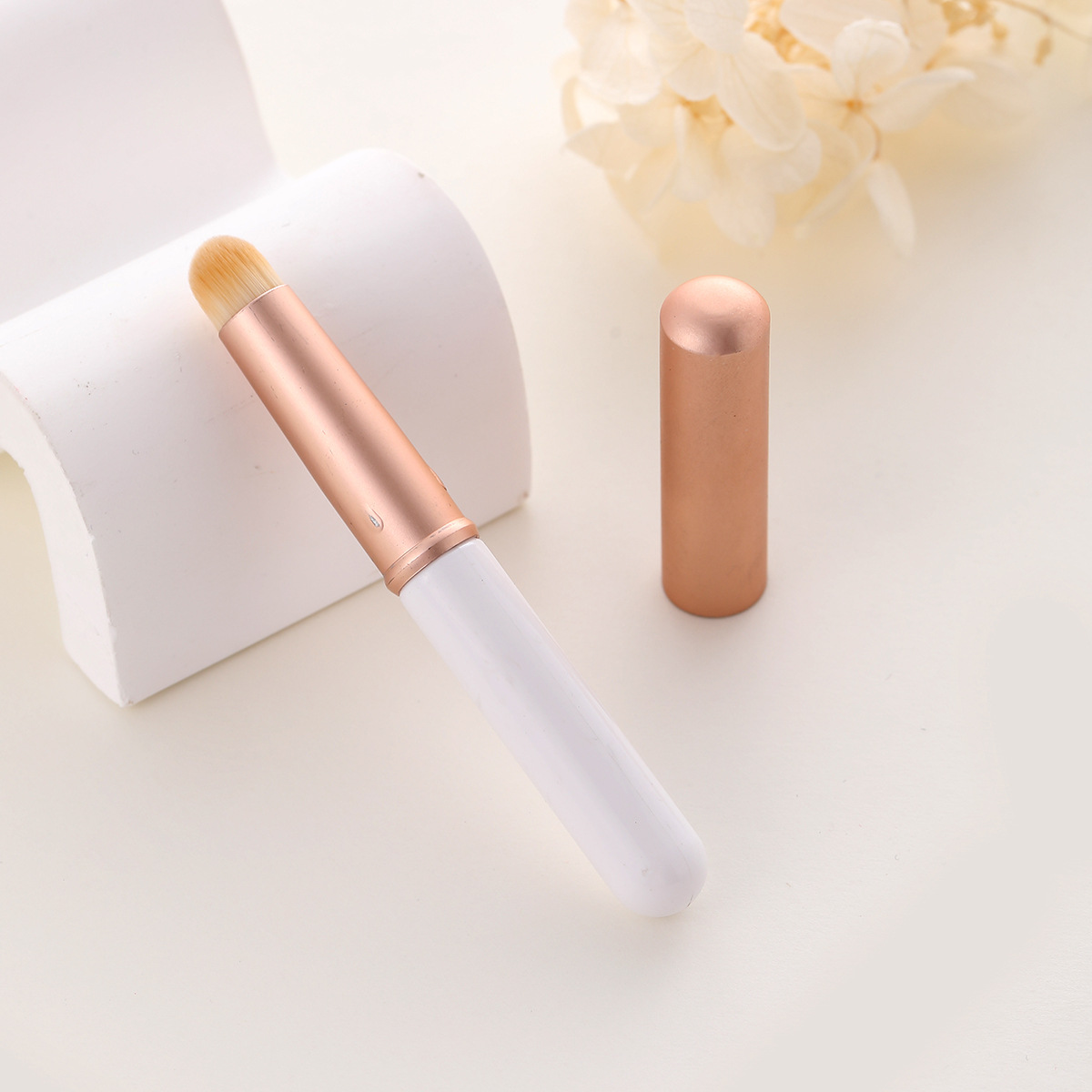
Most new brush brands fail from unforced errors: launching too many products without validation and having a generic brand with no marketing budget. Start focused and build from there.
Product and Supply Chain Missteps
Launching with too many SKUs is a classic trap. It ties up all your capital in inventory that hasn’t been proven in the market. A smarter approach is to start with a core line of 5-10 pinceaux essentiels, validated through pre-orders or a small pilot run to confirm demand.
Choosing your manufacturer based on unit cost alone is incredibly risky. A cheap brush that sheds or breaks is a brand killer. You have to vet partners for their quality certifications, their ability to handle your specific customizations, and their communication skills. A silent supplier is a major red flag.
Negative reviews about shedding bristles, loose ferrules, or chipping paint can sink a launch before it even gets going. You need to implement batch-level stress tests before any product ships. Wash them, pull on them, and see if they hold up. Don’t let your customers do your quality control for you.
Designing overly complex custom brush shapes for a first launch is a good way to burn cash and time. For your initial run, stick with proven, standard brush head shapes that work. You can create a unique product by customizing the handles, couleurs, and finishes—that’s where you build your brand identity without taking on unnecessary manufacturing risk.
Undefined Brand and Weak Go-to-Market Strategy
Trying to design brushes “for everyone” results in weak messaging that appeals to no one. You have to define a primary customer profile first. Is it for the professional makeup artist who needs durability? Or the eco-conscious user who values sustainable materials? This decision should guide every choice you make.
Generic brushes disappear in a crowded market. You have to find a way to differentiate. This could be through unique handle materials, a cohesive color story that stands out visually, or a focus on a specific niche, like a compact, travel-friendly design.
Underinvesting in marketing is a fatal error. A great product doesn’t sell itself. You must allocate a real budget for content creation, influencer seeding, and paid media before the launch day. If no one knows you exist, you have no business. To amplify early velocity, brand owners must understand how beauty influencers create their own makeup brush line and leverage those exact seeding frameworks to co-create high-engagement digital content that drives immediate conversion.
If you can’t communicate what makes your brushes better, their value is zero. Weak storytelling is just as bad as a poorly made product. Invest in high-quality photos and videos that show each brush’s specific function, highlight its unique features, and demonstrate the real-world results.
Foire aux questions
How much budget do I need to start a private label brush brand in 2026?
Starting a private label makeup brush brand in 2026 has a flexible budget range. For a lean online test with 1–3 brushes and low minimum orders, a budget of about $1,500–$5,000 is realistic. A more professional launch with a cohesive brand identity and 3–8 brushes typically requires $5,000–$20,000. For an aggressive growth strategy targeting retail, expect costs to exceed $20,000. Brushes are less expensive to launch than cosmetics because they don’t involve formula development. Your main costs will be inventory, conditionnement, image de marque, e-commerce setup, and marketing.
What is the difference between private label and white label makeup brushes?
The key difference is exclusivity and customization. With private label, a manufacturer produces brushes exclusively for your brand based on your specifications for shape, matériels, et conception. The final product is unique to you. Avec marque blanche, you are putting your logo on a generic, pre-existing brush that the manufacturer sells to many other brands. White label is faster and often cheaper, but the product is not exclusive, which can lead to direct price competition. Private label requires more time and investment but gives you a unique product that helps build a distinct brand.
How long does it take to get my brushes from order to delivery?
The timeline depends on the level of customization. For standard private label brushes (stock designs with your logo), production and branding take about 2–4 weeks. Including shipping, you can expect delivery in 3–7 weeks. For fully custom brushes designed from scratch, the process is longer. It includes weeks for sampling and revisions before production begins. The manufacturing for a custom order can take 6–8 weeks, making the total time from order to delivery closer to 10–14 weeks. A good planning benchmark for a new launch, from strategy to inventory arrival, is about 90 jours.
Do I need a registered trademark before I start selling?
You are not legally required to have a registered trademark to begin selling your makeup brushes. You can start using your brand name and logo right away. But, registering your trademark early is a smart decision for long-term brand protection. A registered mark gives you the exclusive rights to your name and logo, which helps you stop copycats. It is also a key requirement for accessing brand protection tools on major online marketplaces like Amazon. While you can launch first, filing for a trademark should be a high priority to protect your brand as it grows.
Réflexions finales
Launching a brush brand requires careful planning across product development, manufacturing, image de marque, and sales strategy. The frameworks in this guide—from brand positioning to OEM manufacturing—are your defense against commodity competition and the common mistakes that sink new ventures.
EXECUTIVE STRATEGIC INITIATIVE
Launching a premium cosmetic tool enterprise requires converting high-level supply chain strategy into rigorous execution. Mitigating engineering risks and securing cross-border compliance certificates cannot be left to chance.
Align your product portfolio with a Tier-1 manufacturing partner equipped to safeguard your margins and scale your distribution. Contact our cross-border engineering and compliance advisory teams today to submit your initial design specifications, lock in your technical brief, and fast-track your priority OEM/ODM contract production allocation.