

Keputusan sumber kuas makeup label putih vs label pribadi menentukan diferensiasi produk, berdampak langsung pada margin keuntungan dan nilai merek. Kesalahpahaman terhadap model-model ini menyebabkan tumpang tindih pasar yang merugikan dan melemahkan eksklusivitas.
Artikel ini membandingkan model sumber label putih dan label pribadi, berfokus pada biaya satuan, kedalaman penyesuaian, dan waktu ke pasar. Berdasarkan pengalamannya di kuas riasan label pribadi perkembangan, BS MALL juga menyoroti keputusan praktis yang harus dikonfirmasi oleh merek sebelum memilih model pengadaan.
Mengapa Industri Menggunakan Istilah-Istilah Ini Secara Bertukar (dan Mengapa Itu Menjadi Masalah)
Merek sering kali bercampur “label putih” Dan “label pribadi” untuk kuas riasan. Hal ini menimbulkan kebingungan, menyakiti diferensiasi, dan mengarah pada keputusan bisnis yang buruk.
Faktor-Faktor yang Menyebabkan Penggunaan yang Dapat Dipertukarkan
Sektor alat kecantikan sering kali kabur “label putih” Dan “label pribadi” definisi. Beberapa alasan menjelaskan hal ini:
| Faktor yang Berkontribusi | Mengapa Ini Menimbulkan Kebingungan |
|---|---|
| Rantai pasokan bersama | Kedua model tersebut menggunakan kontrak pabrikan, jadi merek sering kali menggunakan “label pribadi” sebagai istilah umum untuk produksi sikat yang dialihdayakan. |
| Penyederhanaan pemasaran | “Label pribadi” terdengar lebih premium, sehingga merek dapat menggunakannya meskipun produk dasarnya sudah terstandarisasi. |
| Pola masuknya merek kecil | Merek indie dan startup sering kali dimulai dengan produk label putih tetapi menggambarkan semua merek, item yang dialihdayakan sebagai label pribadi. |
| Pesan pemasok | Beberapa pemasok mempromosikan “kuas riasan label pribadi/label putih” sebagai satu layanan tanpa menjelaskan perbedaannya dengan jelas. |
| Kustomisasi kecil | Perubahan untuk menangani warna, logo, atau kemasan mungkin terlihat seperti penyesuaian produk meskipun sikat inti tetap terstandarisasi. |
| Perubahan merek katalog | Kuas katalog standar dengan hanya tambahan logo merek secara teknis merupakan label putih tetapi sering kali dipasarkan sebagai label pribadi. |
| Merek influencer dan indie | Kreator dan brand baru dapat memilih istilah mana yang terdengar lebih baik bagi audiens mereka daripada menerapkan definisi sumber yang konsisten. |
Masalah yang Timbul dari Definisi yang Dapat Dipertukarkan
Menyebut label putih dan label pribadi sebagai hal yang sama menciptakan masalah nyata bagi merek dan konsumen:
| Potensi Masalah | Dampak Bisnis |
|---|---|
| Eksklusivitas yang menyesatkan | Sebuah merek mungkin percaya bahwa produknya unik meskipun pesaing dapat membeli kuas yang sama, melemahkan klaim diferensiasi dan eksklusivitas. |
| Ketidakselarasan strategis | Merek mungkin kurang berinvestasi dalam desain, contoh, atau pengujian sambil mengharapkan diferensiasi dan margin yang tidak dapat didukung oleh produk standar. |
| Salah menentukan harga | Penetapan harga kuas label putih yang tersedia secara luas sebagai produk eksklusif dapat merusak posisi premium ketika pelanggan menemukan produk serupa di tempat lain. |
| Perencanaan portofolio yang membingungkan | Label putih cocok lebih cepat, peluncuran dengan risiko lebih rendah, sementara private label mungkin memerlukan lebih banyak investasi dan perencanaan. Mengaburkan model membuat peran portofolionya menjadi tidak jelas. |
| Asumsi kualitas yang salah | Nama private label tidak secara otomatis menunjukkan kualitas yang lebih tinggi. Kualitas produk tetap tergantung spesifikasi, bahan, kontrol proses, dan standar pemeriksaan. |
| Masalah transparansi dan kepercayaan | Klaim yang tidak jelas tentang eksklusivitas, sumber, bahan, atau penyesuaian dapat merusak kepercayaan pelanggan dan kredibilitas merek. |
| Risiko kontrak dan kepatuhan | Sebuah merek mungkin berasumsi memiliki eksklusivitas produk tanpa klausul kontrak pendukung, menyebabkan perselisihan pemasok atau klaim pemasaran yang tidak didukung. |
Apa Sebenarnya Kuas Rias White Label

Kuas riasan label putih sudah siap pakai, alat tidak bermerek. Merek menambahkan logo mereka ke desain tetap ini. Anda bersaing dengan banyak orang lain yang menjual produk dasar yang sama.
Bagian 1: Cara Kerja Model Label Putih
Kuas riasan label putih adalah produk siap pakai yang dikembangkan dan diproduksi oleh pemasok sebelum merek membelinya. Merek dapat menambahkan logo mereka sendiri, nama, atau pengemasan tanpa melalui pengembangan atau perkakas produk.
Model ini memungkinkan merek kecantikan meluncurkan produk dengan cepat dengan investasi awal yang lebih rendah. Namun, karena kuasnya berasal dari katalog pemasok yang ada, desainnya biasanya non-eksklusif dan mungkin juga tersedia untuk pembeli lain.
Bagian 2: Apa yang Bisa dan Tidak Bisa Anda Sesuaikan
Label putih menawarkan penyesuaian terbatas dibandingkan dengan label pribadi. Merek biasanya dapat menyesuaikan elemen merek yang terlihat, termasuk:
Apa yang dapat Anda sesuaikan:
- logo, nama merek, atau monogram pada pegangan atau ferrule
- Kemasan khusus seperti kotak, tabung, atau kantong
- Bundel produk dengan menggabungkan gaya kuas yang ada
- Materi pemasaran dan deskripsi produk
Yang biasanya tetap:
- Bentuk kepala sikat dan desain keseluruhan
- Bahan bulu, kepadatan, dan karakteristik kinerja
- Struktur ferrule dan bahan inti
- Spesifikasi produksi standar pabrik
Bagian 3: Keterbatasan Produk White Label
Keterbatasan terbesar dari kuas riasan label putih adalah kurangnya eksklusivitas. Karena beberapa merek dapat membeli produk katalog yang sama, pesaing boleh menjual kuas serupa hanya dengan logo atau kemasan berbeda.
Untuk alasan ini, produk white label lebih mengandalkan branding, penetapan harga, kemasan, dan pemasaran daripada desain produk yang unik. Merek yang mencari diferensiasi yang lebih kuat biasanya beralih ke label pribadi atau solusi OEM.
Dapatkan Keuntungan Lebih Tinggi dengan Kecantikan Grosir Kami
Apa Sebenarnya Kuas Rias Private Label Itu
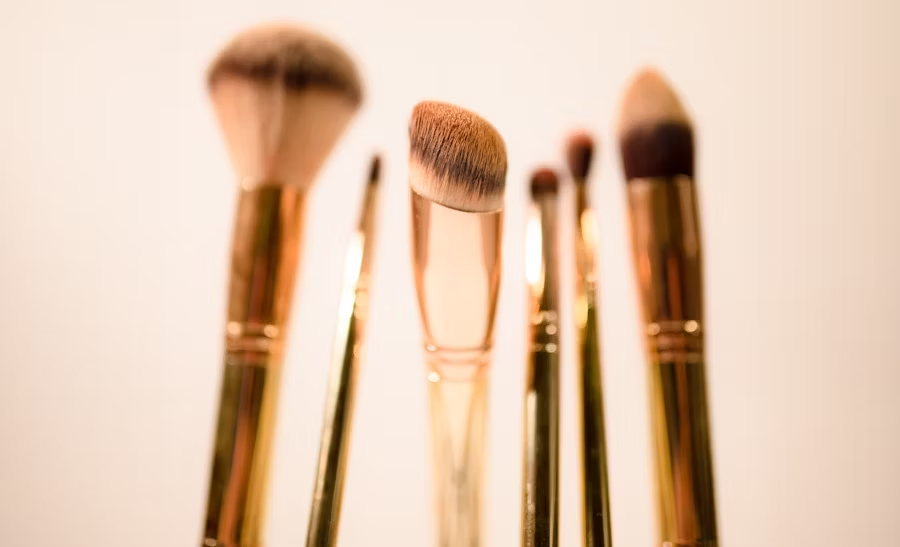
Kuas riasan label pribadi dijual dengan merek pembeli dan sering kali dimulai dengan desain pemasok yang sudah ada. Kustomisasi yang tersedia, eksklusivitas, perkakas, dan kepemilikan desain bergantung pada program pabrikan dan perjanjian pengadaan.
Tentukan Kepemilikan dan Eksklusivitas Desain
Di banyak program label pribadi, merek memilih desain kuas yang ada dan menyesuaikan fitur yang terlihat. Poin-poin berikut harus dikonfirmasi sebelum pengambilan sampel atau produksi dimulai.
| Kawasan Komersial | Pengaturan Khas | Apa yang Harus Dikonfirmasi oleh Merek |
|---|---|---|
| Desain kuas inti | Pemasok mungkin menawarkan desain katalog yang sama untuk beberapa merek. | Apakah bentuk yang dipilih, konstruksi, atau kombinasi bahan dibagikan dengan pembeli lain |
| Aset merek | Merek biasanya mempertahankan kepemilikan logonya, merek dagang, dan menyediakan karya seni. | Bagaimana aset merek dapat digunakan, tersimpan, direproduksi, dan dilindungi |
| Hak desain dan perkakas | Kepemilikan bergantung pada siapa yang membuat dan membayar desain atau perkakas dan apa yang dinyatakan dalam kontrak. | Kepemilikan, hak penggunaan, tanggung jawab pemeliharaan, dan akses setelah hubungan berakhir |
| Eksklusivitas | Eksklusivitas produk atau wilayah tidak terjadi secara otomatis dan mungkin memerlukan volume yang lebih tinggi, biaya, atau perjanjian tersendiri. | Produk, pasar, saluran penjualan, lamanya, pesanan minimum, dan ketentuan penegakan hukum yang dicakup |
| Sumber singkat | Laporan singkat mencatat produk yang disetujui, branding, kemasan, dan persyaratan kualitas. | Apakah ringkasan dan sampel yang disetujui dimasukkan ke dalam perjanjian pembelian |
Apa yang Dapat Anda Sesuaikan dalam Pengaturan Label Pribadi
Rentang penyesuaian yang tepat bervariasi menurut pemasok. Program label pribadi biasanya memungkinkan merek untuk memodifikasi elemen yang terlihat dan menghadap pasar tanpa mengembangkan struktur kuas yang benar-benar baru.
| Area Kustomisasi | Pilihan dan Batasan Umum |
|---|---|
| merek | logo, nama merek, penempatan, ukuran, dan metode aplikasi yang tersedia seperti pencetakan, stempel foil, atau ukiran laser |
| Warna dan hasil akhir | Pegangan dan warna ferrule, Pencocokan Panton, lapisan matte atau gloss, sentuhan akhir yang lembut, dan lapisan logam yang tersedia, tunduk pada proses dan persyaratan MOQ |
| Serat sikat | Tersedia jenis atau campuran serat yang kompatibel dengan desain kuas yang dipilih dan kinerja aplikasi yang diinginkan |
| Tetapkan komposisi | Pilihan kuas wajah dan mata dari katalog pemasok, bersama dengan nama atau penomoran produk khusus |
| Kemasan | kotak, kantong, kasus perjalanan, sisipan, karya seni, stok kertas, dan selesai, tunduk pada MOQ pengemasan dan persyaratan perkakas |
Perubahan pada geometri kepala sikat, dimensi ferrule, menangani konstruksi, atau fitur struktural inti lainnya mungkin memerlukan pengembangan khusus dan peralatan baru. Tetap berada dalam platform label pribadi yang sudah ada umumnya mengurangi waktu pengembangan, risiko teknis, dan investasi di muka.
Untuk melihat garis dasar desain yang tepat dan penyelesaian akhir yang tersedia untuk lini Anda, telusuri katalog lengkap kepemilikan kami grosir set kuas makeup.
Kedalaman Kustomisasi Dibandingkan Berdampingan
Label putih menawarkan dengan cepat, entri hemat biaya dengan desain tetap. Label pribadi memungkinkan penyesuaian mendalam, kinerja produk yang unik, dan diferensiasi merek yang kuat.
Bagian 1: Matriks Kustomisasi: Apa yang Dapat Anda Modifikasi
Saat mengevaluasi produsen kuas riasan, kustomisasi biasanya berkisar dari branding tingkat permukaan hingga pengembangan produk yang sepenuhnya disesuaikan. Tingkat yang tepat bergantung pada tujuan diferensiasi merek, jadwal peluncuran, anggaran, dan volume pesanan.
Untuk merek dalam tahap pertumbuhan, pilihan tengah—sering digambarkan sebagai label pribadi semi-kustom—Dapat memberikan diferensiasi visual yang lebih kuat tanpa memerlukan rekayasa kepala sikat baru. Ini adalah istilah sumber operasional dan bukan kategori industri standar, jadi ruang lingkup pastinya harus dikonfirmasikan dengan pabrikan.
Tingkat 1: Label Pribadi Semi-Kustom untuk Penskalaan Lebih Cepat
Dalam model ini, merek biasanya mempertahankan desain kepala sikat yang ada dan spesifikasi serat yang disetujui sambil menyesuaikan pegangan yang dipilih, ferrules, branding, mengatur komposisi, dan pengemasan. Opsi yang tersedia tetap bergantung pada peralatan yang ada, kompatibilitas proses, Moq, dan persyaratan pengujian.
| Area Kustomisasi | Opsi Umum | Apa yang Harus Dikonfirmasi |
|---|---|---|
| Warna dan hasil akhir | Warna pegangan yang serasi dengan Pantone, ferrule metalik selesai, lapisan matte atau gloss, dan permukaan dengan sentuhan lembut | Toleransi warna, daya tahan akhir, persetujuan sampel, dan persyaratan pesanan minimum |
| Tangani bahan | Kayu yang tersedia, bambu, plastik, damar, atau opsi pegangan berbobot yang kompatibel dengan desain yang ada | Kompatibilitas perkakas, dokumentasi materi, berat, keseimbangan, waktu tunggu, dan biaya tambahan |
| merek | Pencetakan logo, ukiran laser, stempel foil, nama kuas, dan sistem penomoran | Metode aplikasi yang kompatibel, area yang dapat dicetak, format karya seni, daya tahan, dan toleransi posisi |
| Tetapkan komposisi | Pemilihan kuas wajah dan mata yang kompatibel dari rangkaian pemasok yang ada | Ketersediaan sikat, MOQ tingkat set, hasil akhir yang konsisten, dan apakah kombinasi tersebut eksklusif |
| Kemasan | Kotak kaku, karton lipat, kantong, kasus perjalanan, sisipan, karya seni, dan penyelesaian permukaan | MOQ kemasan, biaya perkakas, kesesuaian produk, persyaratan pelabelan, dan perlindungan pengiriman |
Pendekatan ini dapat mempersingkat waktu pengembangan dan mengurangi biaya perkakas dibandingkan dengan program kuas yang sepenuhnya disesuaikan. Namun, merek harus mengkonfirmasi setiap pilihan yang tersedia melalui sampel, spesifikasi tertulis, dan perjanjian manufaktur akhir sebelum produksi.
Tingkat 2: Kustomisasi OEM/ODM penuh (Rekayasa Dari Awal)
Untuk pemimpin pasar mapan yang ingin berinvestasi besar-besaran pada kekayaan intelektual, kustomisasi penuh beralih dari estetika struktural ke teknik kimia dan mesin dasar.
Hal ini melibatkan pengembangan serat sintetis bio-mimetik khusus merek dengan crimping diameter yang ditargetkan, atau membuka cetakan industri yang benar-benar baru bentuk pegangan ergonomis yang dipatenkan dan dimensi ferrule khusus. Jalur ini menghasilkan diferensiasi maksimum namun memerlukan siklus pengembangan produk yang ekstensif.
Jika Anda ingin merekayasa sepenuhnya alat milik Anda sendiri dari awal, Anda perlu memahami lebih dalam logistik jalur produksi pabrik; pelajari lebih lanjut dalam panduan komprehensif kami tentang Kuas Rias OEM vs ODM: Model Mana yang Tepat untuk Bisnis Anda?
Bagian 2: Tolok Ukur Komersial: Perincian Metrik Sumber
Agar berhasil merencanakan peluncuran produk Anda, penting untuk menganalisis kinerja kedua model label pribadi yang berbeda ini dibandingkan dengan KPI manufaktur utama.
Memahami garis dasar operasional ini membantu memperjelas mengapa menjaga standar kepala sikat sambil menyesuaikan komponen eksterior menawarkan laba atas investasi tertinggi untuk merek kosmetik baru..
Jumlah pesanan minimum (Moq) Persyaratan
Volume pesanan minimum untuk set kuas label pribadi sangat berfluktuasi berdasarkan peralatan yang digunakan.
Di bawah Tingkatan 1 Pengaturan semi-kustom, MOQ sangat mudah diakses, umumnya dimulai dari 50 ke 500 set per gaya. Karena pabrik tidak perlu mengkalibrasi ulang mesin pengikat rambut atau menggunakan bulu sikat yang tidak standar, mereka dapat menerima lari yang lebih kecil, yang secara signifikan membatasi eksposur inventaris dimuka Anda.
Sebaliknya, Tingkat 2 Proyek OEM penuh biasanya memerlukan MOQ yang lebih tinggi, terutama ketika cetakan baru, serat khusus, atau perkakas terlibat.
Biaya Grosir Per Set dan Anggaran
Tingkat manufaktur Anda secara langsung menentukan unit ekonomi dan alokasi modal Anda secara keseluruhan. Setelah Anda memilih model sumber Anda, Anda harus mengevaluasi total modal yang diperlukan untuk memulai bisnis Anda.
Kuas label pribadi semi-kustom biasanya berkisar dari $1.50 ke $5.00 per set, memungkinkan merek mendapatkan keuntungan dari harga volume yang dicapai melalui kepala sikat katalog yang diproduksi secara massal. Anggaran peluncuran pertama yang dapat diandalkan untuk lini semi-kustom berkisar antara $2,500 Dan $5,000.
Di ujung lain spektrum, sikat yang dibuat khusus dari awal biasanya berharga $5.00 ke $15.00+ per set. Anggaran peluncuran OEM yang penuh dapat dengan mudah ditingkatkan ke kisaran tertentu $7,500 ke $26,600 atau lebih, yang tidak termasuk yang terpisah, biaya pencetakan dan pengujian kepatuhan yang tidak dapat dikembalikan yang diperlukan untuk bentuk produk yang dipesan lebih dahulu. Untuk memetakan rencana keuangan lengkap Anda lebih dari sekedar biaya produksi, baca selengkapnya Rincian Biaya Awal Merek Kuas Rias: Apa yang Sebenarnya Anda Habiskan.
Waktu Pimpin Pengembangan dan Kesesuaian Pasar
Time-to-market adalah metrik kompetitif yang penting dalam industri kecantikan yang bergerak cepat.
Proyek semi-kustom sederhana dapat diselesaikan dalam beberapa minggu setelah persetujuan karya seni. Perputaran cepat ini sempurna untuk menangkap estetika musiman yang singkat atau meluncurkan kolaborasi influencer dengan penundaan minimal.
Pengembangan kuas kustom OEM penuh memerlukan jangka waktu 4 ke 12 minggu untuk produksi saja. Jendela yang diperluas ini digunakan oleh beberapa putaran pembuatan prototipe 3D, pengambilan sampel balik, dan pengujian kualitas yang ketat untuk pelepasan dan daya rekat lem.
Akhirnya, sementara rekayasa kustom penuh sesuai dengan rumah kosmetik mapan yang meluncurkan alat andalan, rute semi-kustom tetap menjadi pilihan bagi merek-merek berkembang yang memprioritaskan perputaran stok cepat dan arus kas yang optimal.
Biaya dan MOQ Dibandingkan
Kuas label putih seringkali lebih mahal per unitnya karena margin perantara dan skala ekonomi yang lebih rendah. Label pribadi biasanya mengurangi biaya per unit dengan volume pesanan yang lebih tinggi.
Perbedaan harga per unit dan mengapa label putih bisa lebih mahal per unitnya
Biaya per unit kuas riasan menunjukkan perbedaan yang jelas antara label putih dan label pribadi. Produk label putih bersifat generik dan sudah jadi. Anda membelinya dalam jumlah besar dari pedagang atau distributor lalu menjualnya kembali, biasanya dengan branding minimal.
Kuas label pribadi diproduksi khusus untuk merek Anda. Itu berarti logo khusus, kemasan, dan terkadang bahkan modifikasi desain.
Berikut adalah alasan utama mengapa label putih memiliki biaya per unit yang lebih tinggi:
- Margin Pedagang atau Perantara: Kuas label putih sering kali datang dari pedagang, tidak langsung dari pabrik. Perantara itu menambah margin mereka, meningkatkan biaya per kuas Anda.
- Tidak Ada Skala Ekonomi: Anda membeli white label dari stok yang ada. Anda tidak mendanai proses produksi dalam jumlah besar. Ini berarti pabrikan tidak menawarkan diskon besar seperti yang Anda dapatkan dengan label pribadi. Penyiapan penyebaran label pribadi, perkakas, dan biaya kendali mutu pada lebih banyak unit, yang menurunkan harga per unit dalam skala besar.
- Kenyamanan Barang Jadi: Label putih siap dikirim. Anda membayar mahal untuk menghindari pekerjaan desain, siklus pengembangan, dan waktu tunggu yang lebih lama. Kenyamanan ini tertanam dalam harga grosir per unit yang lebih tinggi.
- Kontrol Material Lebih Sedikit: Dengan label putih, Anda memilih dari SKU tetap. Pilihan bahan dan tingkat kualitas telah ditentukan sebelumnya, membatasi kemampuan Anda untuk mengoptimalkan biaya. Label pribadi memungkinkan Anda memilih bahan (sintetis tingkat pemula, kelas atas, profesional) dengan kerangka biaya tertentu.
Misalnya, satu set kuas label pribadi yang harganya sekitar $10 grosir bisa eceran $25-$30. Itu memberikan margin yang bagus. Kuas label putih memiliki margin ritel yang menarik, tetapi biaya grosir per kuasnya kurang fleksibel terhadap kuantitas dibandingkan dengan label pribadi OEM.
Rentang MOQ untuk setiap model dalam kategori kuas
Jumlah pesanan minimum (MOQ) sangat bervariasi untuk kuas riasan. Beberapa pemasok menerima sedikitnya 50 unit per desain, yang lain butuhkan 500 atau lebih. Banyak pemasok label pribadi menawarkan harga berjenjang, artinya MOQ yang lebih tinggi menghasilkan harga unit yang lebih baik.
Model label putih memiliki karakteristik MOQ berikut:
- MOQ biasanya lebih rendah dari label pribadi penuh. Produk sudah dibuat dan disimpan, sehingga pemasok menanggung risiko lebih kecil per pesanan.
- Anda sering kali dapat mencampur SKU yang berbeda dari stok yang ada.
- MOQ umumnya berada di antara keduanya 50 Dan 100 unit per desain atau set. Hal ini menjadikan label putih cocok untuk menguji pasar atau saluran baru dengan modal dan risiko inventaris yang lebih kecil.
- MOQ yang lebih rendah secara langsung terkait dengan biaya per unit yang lebih tinggi. Pemasok mengganti volume yang lebih rendah melalui penetapan harga.
Garis kuas label pribadi mengikuti struktur MOQ yang berbeda:
- Proyek label pribadi dalam jumlah kecil, seringkali dengan anggaran terbatas $3,000-$5,000, biasanya memiliki MOQ dalam ratusan unit per desain atau set.
- Beberapa pemasok OEM menawarkan MOQ serendah 50 unit per desain, terutama untuk cetakan yang sudah ada hanya dengan kustomisasi logo/kemasan. Ini merupakan pengecualian dan disertai dengan harga premium per unit.
- Pabrik biasanya meminta 200-500 unit per desain set kuas. Volume ini membenarkan pencetakan logo khusus, pengadaan bahan, dan pengaturan khusus serta kontrol kualitas.
- Pemasok label pribadi secara terbuka mempromosikan penetapan harga berjenjang. Biaya dan MOQ adalah bagian dari paket yang dinegosiasikan.
Akhirnya, label putih berfungsi untuk risiko rendah dan masuk pasar dengan cepat, menerima biaya per unit yang lebih tinggi. Label pribadi mengoptimalkan biaya dan margin ketika Anda dapat berkomitmen pada ratusan MOQ per SKU, menerima investasi awal yang lebih tinggi dengan biaya per unit yang lebih rendah.
Waktunya ke Pasar: Yang Membuat Anda Menjual Lebih Cepat?
Label putih memasarkan produk dalam hitungan hari. Label pribadi memerlukan waktu berminggu-minggu atau berbulan-bulan untuk penyesuaian dan pengembangan penuh.
Garis waktu label putih
Kuas label putih membuat Anda menjual dengan cepat, biasanya dalam beberapa hari hingga beberapa minggu. Produk sudah dibuat dan diuji. Pekerjaan Anda berfokus pada branding, seperti menambahkan logo Anda ke pegangan atau mendesain kemasan luar. Beberapa pemasok melaporkan bahwa set kuas label putih dapat dikirimkan 1-3 minggu setelah Anda menyelesaikan karya seni branding Anda. Pada dasarnya, Anda melakukan rebranding pada item yang sudah ada, tidak mengembangkan yang baru dari awal.
Garis waktu pengembangan label pribadi
Proyek private label memakan waktu lebih lama, seringkali berminggu-minggu hingga berbulan-bulan. Ini karena Anda dapat membuat lebih banyak keputusan produk. Anda meninjau sampel dan menyempurnakan spesifikasi sebelum produksi dimulai. Pesanan kuas label pribadi dasar mungkin diperlukan 2-4 minggu -minggu. Set kuas khusus yang lebih kompleks, melibatkan desain atau bahan yang unik, dapat dengan mudah meluas ke 4-12 minggu -minggu, dan itu hanya untuk produksi setelah persetujuan desain dan pembuatan prototipe. Anda sedang membuat produk khusus, dan proses itu membutuhkan waktu untuk pengembangan, pengujian, dan persetujuan.
Eksklusivitas dan Diferensiasi Merek
Produk label putih mempunyai risiko tumpang tindih dan persaingan harga yang tinggi. Label pribadi membangun identitas produk yang unik, memberi Anda diferensiasi dan eksklusivitas merek yang lebih kuat.
Eksklusivitas dan Diferensiasi Merek
Risiko Tumpang Tindih Pesaing dalam Pengadaan White Label
Pertukaran utama untuk kecepatan sumber label putih adalah risiko langsung dari kejenuhan pasar. Karena produk white label dijual secara terbuka kepada merek pembeli mana pun, sangat umum bagi pesaing terdekat untuk meluncurkan produk yang sama set kuas, hanya berbeda pada logo yang dicap.
Hambatan masuk yang rendah ini mendorong volume besar, dengan global pasar kosmetik label putih diproyeksikan akan tercapai $1.57 miliar oleh 2030, membuat produk fisik tumpang tindih hampir tidak dapat dihindari untuk model pengadaan dasar.
Tumpang tindih struktural ini menggeser perilaku pembelian konsumen ekuitas merek dan langsung menuju perang harga. Ketika produk tersebut merupakan suatu komoditas, pembeli membandingkan opsi serupa secara ketat biaya grosir.
Di bawah murni model label putih, diferensiasi Anda terhambat. Hal ini memaksa Anda untuk bergantung sepenuhnya pada pengaruh pemasaran yang dangkal—seperti fotografi produk, penamaan kreatif, dan salinan iklan—sementara alat fisik tidak menawarkan nilai nyata yang unik.
Meskipun pengaturan ini menawarkan keuntungan masuk yang tidak dapat disangkal dalam hal arus kas dimuka, itu juga berarti pesaing yang tangkas dapat menduplikasi keseluruhan Anda lini produk hampir dalam semalam.
Bagaimana Label Pribadi Melindungi Ekuitas Merek Anda
Meningkatkan ke a model label pribadi memungkinkan merek untuk melewati rebranding yang dangkal dan membangun identitas produk yang dapat dipertahankan. Dengan berkolaborasi dengan berdedikasi produsen sikat makeup pada penyesuaian perangkat keras yang disesuaikan, Anda membangun penghalang terhadap duplikasi produk langsung.
Sekalipun menggunakan standar pabrik, struktur bulu yang telah diuji sebelumnya, Parameter label pribadi yang sebenarnya memungkinkan Anda melindungi koleksi Anda dari tumpang tindih pesaing melalui strategi, diferensiasi tingkat produk:
- Kurasi Kepemilikan: Daripada membeli paket siap pakai yang dapat diperoleh dari merek mana pun, Anda dapat memilih sendiri bentuk kuas individu tertentu untuk merekayasa yang sangat terspesialisasi, bermacam-macam berdasarkan niat yang melayani ceruk unik.
- Konfigurasi Perangkat Keras Khas: Dengan mencocokkan adat Warna Panton ke gagang kayu atau resin dan memasangkannya dengan ferrules logam yang terkoordinasi (seperti gunmetal matte atau emas mawar yang disikat), Anda membuat dasar estetika yang tidak dapat dirujuk silang dalam katalog pemasok umum.
- Ekosistem Jangkauan Kohesif: Label pribadi memungkinkan Anda menerapkan sistem penamaan alfanumerik yang konsisten dan tipografi fungsional langsung ke pegangannya. Hal ini menciptakan ekosistem alat yang terlihat dan terasa seperti perangkat keras kelas salon.
Akhirnya, kontrol struktural ini membuat merek Anda keluar dari persaingan komoditas dengan margin rendah. Ini memastikan audiens Anda mengevaluasi Anda set kuas berdasarkan desain yang kohesif dan sentuhan, bukan sekadar kotak yang berbeda.
Ketika White Label Masuk Akal Secara Strategis
Kuas riasan label putih cerdas saat Anda membutuhkan kecepatan, risiko rendah, dan perluasan yang mudah, terutama untuk menguji permintaan atau rilis musiman cepat.
Menguji permintaan sebelum berinvestasi dalam pengembangan penuh
Kuas label putih dibuat untuk menguji pasar dengan komitmen minimal. Kuasnya sudah dibuat, jadi Anda hanya perlu memberi merek dan memberi label pada mereka. Ini berarti jadwal peluncuran menyusut menjadi beberapa hari atau minggu. Anda juga dapat memesan dengan minimum yang sangat rendah, terkadang hanya satu unit, yang mengurangi risiko masuk secara signifikan.
Anda juga menghemat uang di muka. Tidak perlu mengeluarkan uang untuk desain kuas, rekayasa ferrule, atau pengembangan campuran rambut. Alih-alih, Anda memfokuskan modal pada merek Anda, fotografi, isi, dan periklanan.
Model ini memungkinkan Anda menemukan apa yang diinginkan audiens Anda tanpa investasi besar:
- Anda dapat memvalidasi pertanyaan inti: Apakah pelanggan lebih menyukai bulu sintetis atau campuran? Apakah mereka lebih tertarik dengan set mata 7 potong atau set wajah+mata 10 potong?
- Itu membuat pengujian saluran menjadi mudah. Anda dapat membuat daftar di berbagai platform untuk melihat di mana penjualan dan ulasan paling kuat.
- Anda dapat menyempurnakan positioning produk Anda. Label putih membantu Anda mengetahui apakah audiens Anda adalah level pemula, berfokus pada kualitas, atau profesional.
- Penjualan label putih dapat mendanai lini label pribadi Anda di masa depan. Ini adalah strategi jembatan.
Merek menggunakan label putih untuk mengumpulkan data tentang audiens mereka dengan biaya yang jauh lebih murah. Ini melibatkan beberapa pola pengujian:
- Mulailah dengan beberapa set inti, kemudian perhatikan penjualan mereka, kualitas ulasan, dan tingkat pengembalian.
- Uji warna pegangan yang berbeda, perubahan logo kecil, atau tata letak kemasan untuk melihat apa yang disukai.
- Uji ukuran set dan titik harga yang berbeda. Lihat apakah pelanggan lebih menyukai perlengkapan lengkap atau perlengkapan minimal.
- Kumpulkan ulasan tentang pelepasan, nuansa bulu, dan menangani kenyamanan. Gunakan masukan ini untuk desain label pribadi di masa mendatang.
SKU musiman atau promosi yang cepat
Label putih bagus untuk berumur pendek, terikat waktu, atau item kuas yang didorong oleh tren. Di Sini, pengiriman cepat dan pengelolaan jumlah terbatas lebih penting daripada penyesuaian mendalam.
Koleksi musiman dan set liburan mendapat manfaat dari produksi label putih:
- Waktu produksi singkat, sering berminggu-minggu. Ini adalah kunci untuk liburan atau kolaborasi yang mengutamakan waktu.
- MOQ kecil mengurangi risiko kelebihan stok jika tema musiman tidak mencapai hasil yang besar.
- Anda dapat menambahkan nilai yang dirasakan melalui kemasan dan branding bertema, bahkan dengan komposisi kuas standar.
Model ini juga berfungsi dengan baik untuk promosi, kolaborasi, dan produk percobaan:
- Perangkat merek bersama yang cepat untuk influencer atau artis menghindari waktu pengembangan yang lebih lama.
- Kuas label putih menyediakan inventaris instan untuk hadiah acara atau promosi toko pop-up.
- Mereka dapat mendukung SKU promosi, meningkatkan ukuran keranjang untuk produk utama Anda.
Untuk mendapatkan hasil maksimal dari kuas label putih musiman atau promosi, ingat beberapa hal:
- Prioritaskan pemasok yang dapat diandalkan dengan kontrol kualitas yang baik untuk barang-barang jangka pendek ini.
- Fokuskan upaya Anda pada branding yang cepat dan penyampaian cerita yang menarik.
- Kontrol margin Anda dengan menggabungkan kuas dengan produk pahlawan atau konten digital dengan margin lebih tinggi.
Jalur Peningkatan: Pindah dari White Label ke Private Label
Peningkatan dari label putih menjadi label pribadi membangun identitas merek yang lebih kuat, eksklusivitas produk, dan margin yang lebih tinggi untuk kuas riasan.
| Aspek | Plafon Kustomisasi Label Putih | Rentang Kustomisasi Label Pribadi |
|---|---|---|
| Desain produk (membentuk & membangun) | Memperbaiki desain katalog; pilih bentuk dan ukuran yang ada saja. | Anda dapat mengubah bentuk kepala, kepadatan, ferrules, menangani, dan ergonomi secara keseluruhan. |
| Serat dan bahan | Bahan bulu dan opsi ferrule/pegangan yang telah ditentukan sebelumnya. | Anda memilih dan merekayasa serat, bahan, dan karakteristik kinerja. |
| Warna dan selesai | Pilihan warna terbatas pada gagang/ferrule standar. | Sistem warna kustom penuh, selesai, dan efek khusus dimungkinkan. |
| Branding pada pegangan | Penempatan dan pencetakan logo di zona dan metode yang telah ditentukan. | Anda mendapatkan ukuran logo yang sepenuhnya disesuaikan, penempatan, perlakuan, dan skema multi-branding. |
| Kemasan | Struktur standar dengan cetakan khusus dan branding sederhana. | Anda dapat memiliki struktur pengemasan yang dipesan lebih dahulu, bahan, dan presentasi mewah. |
| Penyetelan kinerja | Melekat pada model standar; tidak spesifik merek. | Rekayasa serat, kepadatan dan penyetelan potongan, dan spesifikasi kinerja khusus merek tersedia. |
| Moq | Entri yang lebih rendah, biasanya 50–500 unit per gaya atau set. | Berkisar dari 50 unit (sederhana) ke 5,000+ per referensi khusus untuk OEM/ODM penuh. |
| Biaya per set | Sekitar $1,50–$5 per set. | Sekitar $5–$15+ per set untuk desain khusus. |
| Contoh anggaran 500 set | ~ total $2.500–$3.000. | ~ Total $7.500–$10.000 untuk jumlah yang sama. |
| Waktu pengembangan | 1–3 minggu setelah finalisasi branding. | 4–12 minggu untuk desain khusus, ditambah fase desain dan pengambilan sampel. |
| Potensi diferensiasi | Terutama branding visual dan harga; produk sering dibagikan ke seluruh merek. | Diferensiasi fungsional dan estetika yang mendalam pada tingkat produk dan sistem. |
Pertimbangan Strategis untuk Transisi Label Pribadi
Peningkatan dari label putih menjadi label pribadi adalah momen penting bagi sebuah merek kecantikan. Sedangkan imbalannya adalah posisi pasar yang eksklusif dan ekuitas yang lebih tinggi, transisi ini memerlukan perhitungan finansial dan operasional yang cermat.
Sebelum melompat, merek harus menyeimbangkan keunggulan kompetitif dengan risiko rantai pasokan yang melekat.
1. Pendorong Peningkatan: Mengapa Merek Membuat Lompatan
- Eksklusivitas Pasar Sejati: Label putih membuat Anda rentan terhadap perang harga dengan pesaing yang menjual bentuk kuas yang sama persis. Label pribadi membangun identitas produk yang tidak dapat disalin melalui estetika yang dirancang khusus dan konfigurasi set yang dipesan lebih dahulu.
- Kualitas Butiran & Kontrol Kinerja: Pindah ke label pribadi berarti Anda mengontrol detail kinerja. Anda mendiktekan logam ferrule (MISALNYA., tembaga vs. aluminium), menangani ergonomi, daya tahan pernis, dan lem standar anti-penumpahan. Hal ini memungkinkan Anda menyetel alat untuk gaya aplikasi profesional tertentu, seperti hasil akhir airbrush HD atau kosmetik krim kental.
- Ekspansi Margin & Pemosisian Premium: Kuas generik membatasi harga eceran Anda. Modifikasi perangkat keras yang dipesan lebih dahulu dikombinasikan dengan kemasan yang lebih tinggi membenarkan harga tingkat kemewahan, secara signifikan memperluas margin laba bersih Anda.
2. Mitigasi Risiko: Menavigasi Tol Finansial dan Operasional
Transisi dari label putih standar ke label pribadi OEM penuh dapat dilakukan tiga kali lipat total pembelanjaan pesanan Anda untuk jumlah yang sama. Misalnya, lari 500 set bisa melompat darinya $2,500–$3.000 (label putih) ke $7,500–$10.000 (sepenuhnya kustom).
Untuk melindungi arus kas Anda, menerapkan strategi pengurangan risiko ini:
Jembatan Semi Adat: Untuk menghindari paparan inventaris yang tinggi, gunakan a tahap semi custom sebagai tes pasar langsung. Pertahankan formula bulu yang telah diuji sebelumnya dari pabrik, tetapi sesuaikan warna pegangan dan kemasannya. Hal ini membatasi biaya perkakas di muka sambil menilai toleransi harga pelanggan.
Perlindungan Kontrak: Seiring dengan meningkatnya penyesuaian produk, ketergantungan Anda pada pabrik tertentu semakin dalam. Lindungi merek Anda dengan Perjanjian Kerahasiaan yang ketat (NDA) dan cakupan kontrak manufaktur yang jelas kepemilikan perkakas, hak eksklusivitas, tingkat kerusakan yang dijamin, dan waktu tunggu yang didukung penalti.
Kepatuhan & Keamanan Bahan: Pastikan mitra produksi Anda memberikan dokumentasi keselamatan lengkap (MISALNYA., Mencapai, Menopang 65 kepatuhan) untuk semua pernis khusus, lem, dan serat sintetis.
Rencana Operasional Penerapan Private Label
Untuk merek kecantikan tingkat menengah, strategi penskalaan yang paling hemat biaya adalah Label Pribadi Semi-Kustom. Dengan menjaga bahan inti bulu dan bentuk kepala tetap (memanfaatkan pengujian pabrik sebelumnya, formula serat sintetis berkinerja tinggi), Anda menghilangkan biaya penelitian dan pengembangan yang besar. Alih-alih, Anda menyalurkan anggaran Anda untuk memodifikasi komponen estetika dan struktural untuk menciptakan tampilan merek yang sepenuhnya eksklusif.
Berikut adalah rencana operasional langkah demi langkah untuk mengimplementasikan cetak biru ini dengan mitra produksi Anda:
Melangkah 1: Kunci Kepala Sikat Inti Anda (Basis Kinerja)
- Pilih Pola Dasar Katalog: Pilih dari pabrikan yang ada, koleksi berkinerja tinggi (MISALNYA., set wajah standar 7 bagian atau set mata presisi 5 bagian).
- Audit Mekanika Serat: Karena Anda tidak mengubah bahan atau kepadatan rambut, bergantung pada bagan kepatuhan pabrik yang ada (seperti sertifikasi Bebas Kekejaman dan Vegan) untuk serat spesifik ini. Hal ini menjamin persetujuan peraturan segera untuk pasar global seperti AS dan UE.
Melangkah 2: Insinyur Perangkat Keras Estetika (Menangani & Ferrules)
- Geometri Pegangan yang dipesan lebih dahulu & Berat: Sambil menjaga stok bulunya, Anda benar-benar dapat mengubah pegangannya. Minta perubahan jenis kayu (MISALNYA., kayu birch FSC yang bersumber secara lestari), sesuaikan keseimbangan berat ergonomis, atau beralih ke plastik PLA yang ramah lingkungan dan dapat terbiodegradasi.
- Sistem Warna Pantone & Selesai Khusus: Menjauh dari standar hitam atau putih. Tentukan warna Pantone khusus untuk pegangannya. Tingkatkan hasil akhir menjadi premium lapisan karet dengan sentuhan lembut, lak anti gores matte, atau efek mutiara berkilau tinggi.
- Metalisasi Ferrule: Sesuaikan ferrule aluminium atau tembaga (garis dasar logam yang menahan rambut). Cocokkan identitas merek Anda dengan meminta teknik pelapisan khusus: mawar emas, abu-abu gunmetal, hitam pekat, atau disikat krom.
Melangkah 3: Terapkan Perawatan Branding Tingkat Lanjut
- Penempatan Logo Multi-Zona: Jangan puas dengan pencetakan standar sederhana. Minta pengukiran laser 360 derajat pada ferrule, atau stempel panas dalam dengan foil logam pada dasar pegangan.
- Nomenklatur Fungsional: Tambahkan kode alfanumerik atau nama fungsi (MISALNYA., “F01 – Fondasi Sempurna”) langsung ke pegangannya. Hal ini meningkatkan nuansa seni profesional dan meniru pengaturan ritel premium.
Melangkah 4: Bermacam-macam Kepemilikan Kurasi & Kemasan
Pratama Sepenuhnya Dipesan Lebih Dahulu & Kemasan Sekunder: Rancang kantong perjalanan EVA yang dibentuk khusus, tempat sikat kulit berbentuk silinder, atau kotak kado mewah yang kaku dengan sisipan karton khusus. Kemasan Anda ada di mana 80% dari persepsi merek premium Anda akan dihasilkan.
Bundling Padu padan: Hancurkan kumpulan katalog standar pemasok. Gabungkan kuas peneduh mata dari Katalog A dengan kuas kontur dari Katalog B untuk menciptakan solusi unik yang disesuaikan dengan target audiens Anda.
Pikiran Terakhir
Memutuskan antara label putih dan label pribadi bukan hanya soal biaya—ini soal skalabilitas. Label putih membawa Anda ke pasar besok; label pribadi membangun aset yang pada akhirnya dapat Anda jual atau eceran dalam rantai global. Jika Anda menginginkan identitas produk yang unik tanpa R. jutaan dolar&D label harga, itu Rute Label Pribadi Semi-Kustom.
Siap Mengembangkan Koleksi Kuas Rias Anda Berikutnya?
Di BS-Mall, kami mengoperasikan fasilitas manufaktur vertikal yang menyederhanakan jalur produksi label pribadi semi-kustom. Kami menangani rekayasa serat teknis sehingga Anda dapat fokus membangun ekuitas merek Anda.
- Layanan Desain Kemasan Turnkey
- MOQ Rendah pada Perkakas Semi-Kustom
- Pencocokan Pantone Penuh & Opsi Perangkat Keras Ramah Lingkungan
Siap untuk menentukan strategi kuas Anda untuk dampak pasar yang nyata? Ayo diskusikan visi merek spesifik Anda dan tahap bisnis saat ini. Kami dapat membantu Anda menavigasi opsi ini, memastikan peluncuran produk Anda berikutnya memaksimalkan kecepatan dan diferensiasi.