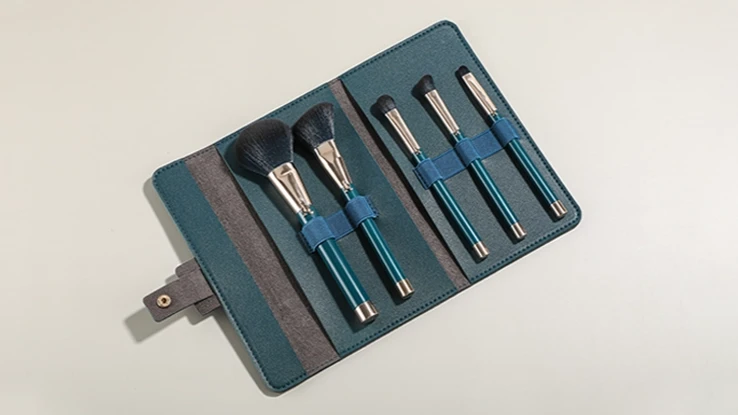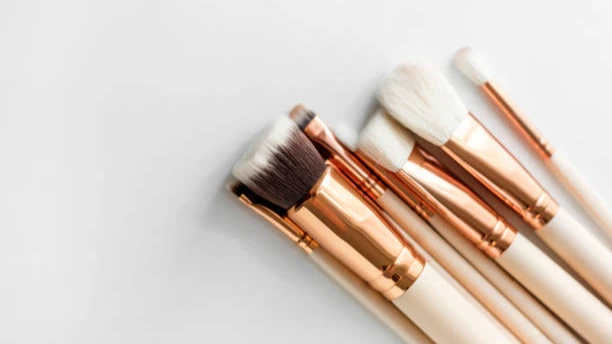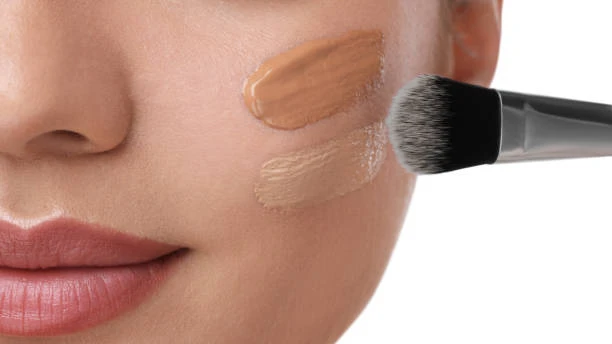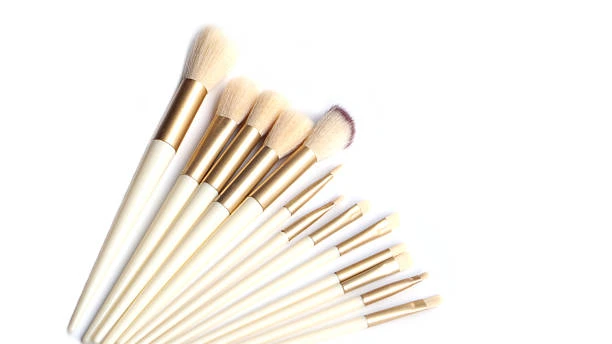


Planning an eye makeup brush line involves more than choosing brush shapes. Beauty brands need to decide which brush types to offer, whether to sell individual brushes or sets, and how to balance product variety with inventory costs. Material selection, handle design and private label customization also affect how the line fits the target market.
This guide explains how to plan an eye makeup brush line, configure sets for different customer needs, and develop a distinctive product range that supports your brand’s positioning and growth.
Why Eye Makeup Brush Line Planning Matters
Cosmetic brush brands need to build a product range that covers different makeup techniques, suits their target customers, and supports their pricing and sales strategy. A clear product plan also helps brands decide which brushes to launch first and which to introduce as the business grows.
Cover Different Eye Makeup Needs
Eye makeup involves several techniques, including applying eyeshadow, blending colors, defining the crease, drawing eyeliner and shaping brows. Each task requires brush shapes and construction suited to its intended use. A product line with too few options may not meet customers’ ニーズ, while adding brushes with overlapping functions can make the range harder to navigate. Identifying the main application needs helps brands build a focused selection with a clear purpose for each product.
Manage SKU Count and Inventory Investment
Every additional brush design can introduce separate requirements for product development, サンプリング, パッケージング, purchasing and inventory. Offering too many variations at launch may spread demand across SKUs, while a range that is too limited may miss important customer needs. Brands should prioritize brushes according to their target audience, price positioning and sales channels, then expand the range based on customer feedback and sales performance.
Build a Product Line That Can Grow
A planned product line gives brands a foundation for future launches. A focused initial range can establish core brush types, while later additions can address specific makeup techniques, professional users or complementary product needs. Consistent design choices across brush heads, ハンドル, colors and packaging can also help individual products feel like part of the same collection. This makes it easier to extend the range without losing its overall identity.
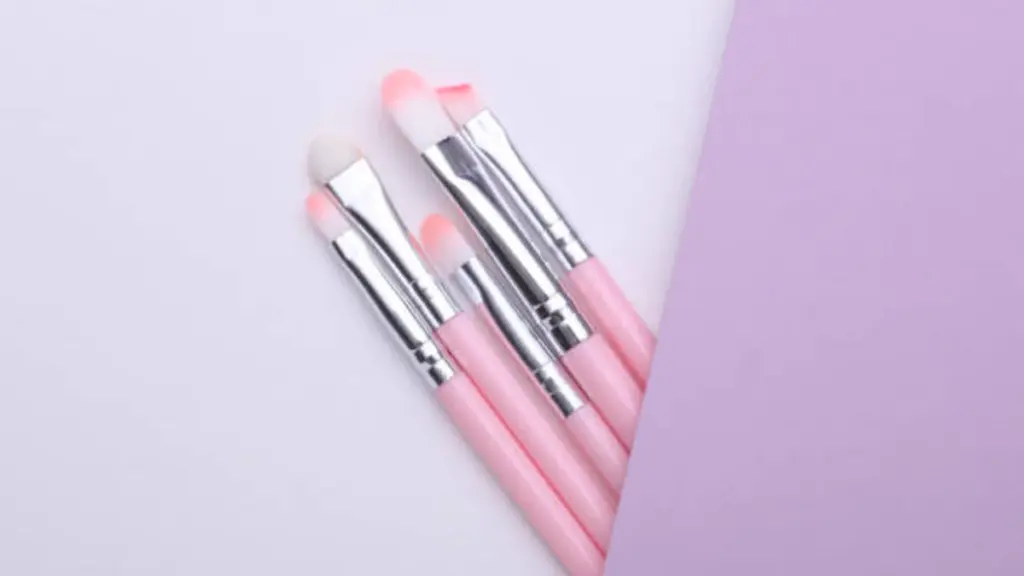
Essential Eye Makeup Brush Types for Your Product Line
An eye makeup brush line should cover key application needs while giving each product a clear role. Beauty brands can use the following categories to plan an initial range and identify options for future expansion.
アイシャドウ ブラシ
Eyeshadow brushes support different steps in eye makeup, from applying color to blending shades and adding definition. Rather than offering every shape at launch, brands should prioritize brushes that serve distinct functions and match their target customers.
| ブラシの種類 | Main Use | Product Line Role |
|---|---|---|
| フラットシェーダーブラシ | まぶたにカラーをパックします. | Core option for basic eyeshadow sets. |
| ブレンドブラシ | Softens edges and blends transitions between shades. | Core option for everyday and more advanced eye looks. |
| Crease brush | Adds depth and definition to the crease. | Useful for sets aimed at makeup enthusiasts. |
| Smudge brush | Blends color along the lash line or in small areas. | An extension for smoky-eye and detailed looks. |
| Detail brush | Places pigment in small, targeted areas. | Suitable for precision-focused or professional collections. |
For a compact launch, a flat shader and a blending brush cover two important tasks: applying color and softening its edges. Brands can add crease, smudge or detail brushes when their target customers need more control or a wider range of eye looks. This approach keeps the initial selection focused without limiting future product development.
Eyeliner Brushes
Eyeliner brushes help users control line width, shape and placement along the lash line. Their value in a product line depends on the eyeliner formulas, application styles and skill levels the brand intends to serve.
| ブラシの種類 | Main Use | Product Line Role |
|---|---|---|
| Fine-tip eyeliner brush | Creates thin lines and supports detailed application. | Consider for precision-focused ranges. |
| Angled eyeliner brush | Helps create controlled lines and defined edges along the lash line. | An option for sets designed for defined eye looks. |
Brands do not need both shapes in every collection. A fine-tip brush may suit customers who want narrow, detailed lines, while an angled brush can offer a different level of control and handling. Before finalizing the range, test samples with the intended eyeliner formula to check line consistency, product flow and ease of use. These tests help determine whether each shape adds a useful function or overlaps too much with another product.
Brow Brushes
Brow brushes serve a different purpose from eyeshadow and eyeliner brushes: they help users fill, shape and groom the eyebrows. Including them can broaden an eye makeup range, but the decision should reflect the brand’s product positioning and intended customers.
| ブラシの種類 | Main Use | Product Line Role |
|---|---|---|
| Angled brow brush | Applies brow powder or pomade and helps define brow shape. | A core option for brow-focused products or kits. |
| Spoolie brush | Combs brow hairs and helps distribute product. | Pairs naturally with an angled brow brush in a brow kit. |
An angled brow brush and a spoolie work well together because they support two related tasks: applying product and grooming the brows. Brands can offer them as a pair, include them in a larger eye brush set, or sell them individually to customers who need replacement tools. If the main range focuses on eyeshadow application, brow brushes can remain an optional extension rather than increasing the initial SKU count.
Across these categories, the strongest product range is not necessarily the one with the most brush types. It is the one in which each brush serves a clear purpose, complements the other products and fits the needs of the intended customer.
Build Your Custom Eye Makeup Brush Line

個別のブラシ vs. Brush Sets: What Should Your Brand Offer?
The right sales format depends on your target customers, budget and stage of growth. Individual brushes offer flexibility, while sets provide a ready-made collection of tools. Some beauty brands benefit from focusing on one format first, then adding the other as customer demand becomes clearer.
Selling Individual Eye Makeup Brushes
Individual brushes allow customers to choose specific tools based on their makeup routines, preferred techniques or replacement needs. For beauty brands, this format works well when customers know which brush types they need or want to add to an existing collection.
Selling individual brushes also gives brands room to develop products around specific functions. 例えば, a brand may offer a blending brush in several sizes or introduce a precision eyeliner brush for customers who want more control. しかし, each design may require its own product listing, packaging and inventory allocation. Brands should therefore prioritize brushes with clear uses and enough demand to justify separate SKUs.
Selling Eye Makeup Brush Sets
Brush sets group several tools into one product, making it easier for customers to buy a collection designed for a particular purpose. A compact set may cover basic eyeshadow application, while a larger set may include tools for blending, detailed work and brow grooming.
ブランド向け, sets can create a clear product concept and simplify the buying decision. They can also support a defined price point through the combination of brush types, handles and packaging. The main challenge is choosing a useful combination: too few brushes may leave important tasks uncovered, while too many can increase product cost without adding enough value for the target customer.
Choosing a Sales Format by Brand Stage
A brand’s stage of development can guide its initial sales format, but the decision should also reflect its audience and sales model.
| Brand Situation | Possible Starting Format | Planning Consideration |
|---|---|---|
| New or testing a market | A focused brush set or a small number of core brushes | Limit initial SKU complexity and test customer response before expanding. |
| Established brand with a clear customer base | 個別のブラシ, sets or both | Use sales data and customer feedback to identify gaps and products worth expanding. |
| Professional or specialist brand | Individual brushes supported by task-specific sets | Cover specialist needs while keeping sets relevant to specific techniques or users. |
These formats are not mutually exclusive. A brand can launch a focused set to establish its range, then add individual brushes when customers request specific shapes or replacement tools. Alternatively, a brand with an established audience may launch individual products first and group proven sellers into sets later.
Before deciding, compare the expected demand, target retail price, packaging needs and inventory commitment for each format. The aim is to choose a sales structure that fits the brand’s current resources while leaving room for the product line to grow.
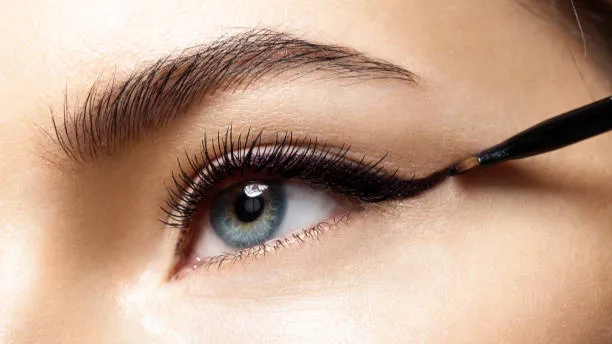
How to Build an Eye Makeup Brush Set
Building an eye makeup brush set starts with the customer, not the number of brushes. Beauty brands should identify the makeup tasks the set needs to cover, then choose brush types that work together without adding unnecessary overlap. The right combination also depends on the target price and the level of experience the set is designed for.
Match Brush Selection to the Target User
Different customers need different levels of coverage. Beginners often benefit from a small set of brushes that covers the main steps of an eye look. Everyday makeup users may want a few more options for blending and definition, while professional users may need specialized shapes for detailed work.
The following configurations offer starting points for product development rather than fixed formulas.
| Set Type | Possible Brush Selection | Configuration Goal |
|---|---|---|
| Beginner set | フラットシェーダーブラシ, ブレンドブラシ | Cover basic color application and blending with a simple, easy-to-use selection. |
| Everyday set | フラットシェーダーブラシ, ブレンドブラシ, crease brush, angled brow brush, spoolie | Cover common eyeshadow techniques and basic brow grooming. |
| Professional set | Flat shader, ブレンドする, crease, smudge, detail, fine-tip eyeliner and angled brow brushes | Support a wider range of techniques and more precise application. |
These examples should be adjusted to the brand’s audience and product positioning. 例えば, a beginner set may still need an eyeliner brush if the target customer regularly uses gel eyeliner. A professional set may require several blending shapes rather than a broad mix of unrelated brush types. The goal is to make every brush useful within the intended routine.
Avoid Redundant Brushes and Missing Functions
A larger set does not automatically offer more value. Two brushes with very similar shapes and functions may add cost without giving customers a clear reason to use both. 同時に, a set can feel incomplete if it includes several blending brushes but no tool for placing color precisely.
During product development, review the proposed set against its intended makeup tasks. Check whether each brush adds a distinct function, whether any important step lacks a suitable tool, and whether the number of brushes matches the expected price point. Testing the set as a whole can also reveal gaps that are less obvious when evaluating brushes individually.
Align Set Configuration With Price and Packaging
Brush count affects more than the product itself. Each additional brush can change material use, assembly, packaging size and total production cost. Brands should therefore set a target retail price early and work backward to determine a realistic combination of brush types, handle designs and packaging.
A compact set may use a shared handle design and a small number of versatile shapes to keep the product focused. A higher-priced collection may justify more specialized brush heads, coordinated finishes or a custom case, provided these additions matter to the target customer. Before approving production, compare samples, confirm the final specifications and review the complete set in its intended packaging.
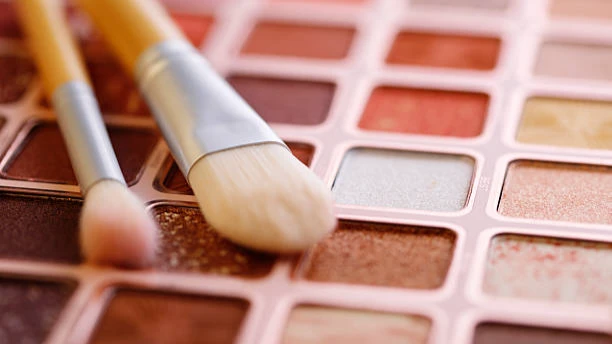
カスタマイズオプション for Eye Makeup Brushes
Custom eye makeup brushes allow beauty brands to match product design with their target customers, price range and brand identity. Brands can start with existing designs and customize selected features to create a distinctive range without adding unnecessary development costs.
What Can You Customize?
- Brush head shape and size: Choose flat, 丸い, angled or fine-tip shapes based on the brush’s intended function. Head dimensions and density should support the required application, from eyeshadow blending to precise eyeliner work.
- Bristle material and performance: Specify fiber type, 直径, texture, stiffness and tip finish according to the intended makeup formula and application technique. Test samples for product pickup, ブレンドする, line control, softness and shedding rather than relying on material names alone.
- Handle design and ferrule finish: Customize handle length, 形, 材料, weight and surface finish to support comfortable handling and a consistent appearance. Ferrule dimensions, finish and attachment should also meet the product’s durability requirements.
- Color and logo: Coordinate handle colors, ferrule finishes and logo placement across the collection. Confirm color references, artwork and logo application methods before sampling to maintain consistency across different brush types.
- Packaging and set presentation: Choose individual packaging or set options such as pouches, cases, inserts and boxes. Consider brush dimensions, product arrangement, retail display needs, shipping protection and the target price when selecting packaging.
Not every feature needs a custom design. For a first launch, brands can prioritize functional brush shapes and consistent visual elements, then introduce more specialized designs as customer demand becomes clearer. 生産前, confirm the final specifications, target cost, minimum order quantity and lead time with the supplier, and approve a sample that can serve as the reference for bulk production.
Turn Custom Ideas Into Clear Specifications
A design concept becomes easier to produce when the brand defines measurable requirements. Instead of asking for a brush that feels soft or looks premium, specify the features that can be checked during sampling and production.
| Customization Area | Details to Confirm | What to Check in Samples |
|---|---|---|
| Brush head | 形, dimensions, density and intended function | Shape retention, application control and coverage |
| Fibers | Fiber type, diameter or texture where specified, stiffness and tip finish | Pickup, ブレンドする, line control, softness and shedding |
| Handle and ferrule | Length, dimensions, 材料, finish and connection method | グリップ, balance, finish consistency and attachment strength |
| Logo and color | Color references, ロゴアートワーク, placement and application method | Color consistency, print clarity and resistance to normal handling |
| 包装 | 寸法, 材料, layout, artwork and quantity per package | Fit, protection, presentation and packing efficiency |
Brands should confirm the final specifications, target cost, 最低注文数量, sampling process and production lead time with the supplier before placing an order. Keep an approved reference sample and written specification so both sides can check that bulk production matches the agreed design.
For a first launch, prioritize customization that improves brush function or makes the collection recognizable. Shared handle designs, coordinated colors and consistent packaging can create a unified range without requiring every brush to have a completely different design. More specialized changes can follow when customer feedback or sales data shows a clear need.
How to Build a Distinctive Eye Makeup Brush Line
A distinctive eye makeup brush line needs more than different colors or handles. Brands should build the range around a clear customer profile, a practical combination of brush functions, and a consistent design concept that supports their market positioning.
1. Define Your Target Customer and Product Assortment
Start by identifying who the brushes are designed for. Beginner users may prefer straightforward tools for everyday eye makeup, while experienced users may need specialized shapes for detailed application and blending. Professional makeup artists may prioritize precision, versatility and reliable performance across different techniques.
Use these needs to determine which brushes to include and how they work together. An everyday collection might combine a flat shader, a blending brush and an angled brow brush, while a professional range could include additional detail, smudge and blending brushes. Each product should serve a clear purpose rather than simply increasing the number of SKUs.
2. Create a Consistent Design Identity
A coherent visual style helps customers recognize the range across individual brushes, sets and future launches. Handle shape, color palette, フェルール仕上げ, logo placement and packaging can work together to create a recognizable collection.
Consistency does not mean every brush must look identical. Brands can retain shared design elements while varying brush shapes, handle lengths or color accents to distinguish product categories. The design should also fit the intended price range and brand positioning.
3. Use Trends and IP Collaborations to Develop Themed Collections
Market trends and licensed IP collaborations can give an eye makeup brush line a more distinctive concept. Brands can draw inspiration from seasonal colors, popular aesthetics or character-based IP to develop themed brushes and coordinated sets.
例えば, a brand could launch a limited-edition set based on a seasonal color palette or collaborate with an officially licensed character IP to create themed handles, brush holders and packaging. These collections can appeal to specific customer groups and give shoppers a reason to choose the range beyond its basic brush functions.
Before developing a themed collection, assess whether the concept fits the target audience and brand positioning. IP collaborations also require appropriate licensing rights. Production costs, minimum order quantities and launch timing should be considered before committing to a design.
4. Establish a Clear Market Position and Expansion Plan
A brush line should have a specific reason to appeal to its intended customers, such as beginner-friendly designs, everyday convenience, precision application or professional versatility. This positioning should be reflected in the brush selection, product performance, 材料, finishing and price structure—not appearance alone.
Brands can launch with a focused core range, then use sales data and customer feedback to identify opportunities for expansion. New brush shapes, individual replacement brushes, specialized sets or themed collections can be added when they meet a clear customer need and complement the existing range.
A well-planned expansion strategy helps brands maintain a consistent identity while developing new products in response to market demand.
最終的な考え
Planning an eye makeup brush line requires more than selecting popular brush types. Beauty brands need to consider their target customers, functional assortment, design consistency, customization options and long-term product development goals. A focused range can help control SKU complexity while giving customers clear reasons to choose the products.
For brands developing a private label eye makeup brush line, working with an experienced manufacturer can help turn product concepts into practical designs. BSモール offers makeup brush manufacturing and customization options to support brands developing brush products for their target markets. Contact BS-MALL to discuss your product requirements and explore options for building your eye makeup brush line.
よくある質問
How can beauty brands validate demand before launching an eye makeup brush line?
Beauty brands can review competitor products, search trends, customer reviews and social media discussions to identify unmet needs. Surveys, audience interviews and pre-launch interest tests can provide additional insight into preferred brush types, design concepts and price ranges. Use these findings to prioritize the first products rather than committing to a large assortment before demand is clear.
Should I choose OEM or ODM for a private label eye makeup brush line?
ODM is often suitable for brands that want to use existing brush designs and customize elements such as colors, logos and selected finishes. OEM is more appropriate when a brand needs greater control over brush construction, materials or other product specifications. The best option depends on the desired level of differentiation, development budget, launch timeline and expected order volume. Confirm the available customization scope and any exclusivity terms with the manufacturer before proceeding.
What should I prepare before contacting an eye makeup brush manufacturer?
Prepare a basic product brief covering your target customers, planned brush types, preferred design direction, target price range, estimated order quantity and launch schedule. Reference images or existing products can help communicate your expectations. You can refine technical specifications with the manufacturer during development, but a clear brief makes it easier to assess feasibility, customization options and the next steps for sampling.
Can beauty brands develop limited-edition eye makeup brushes through IP collaborations?
はい. A limited-edition collection can incorporate licensed characters or other IP elements into brush handles, color schemes and product presentation. Before development, confirm that the collaboration fits your target audience and brand positioning, and obtain the necessary licensing permissions for protected characters, names and artwork. Discuss design feasibility, サンプリング, production quantities, costs and launch timing with the manufacturer before finalizing the collection.