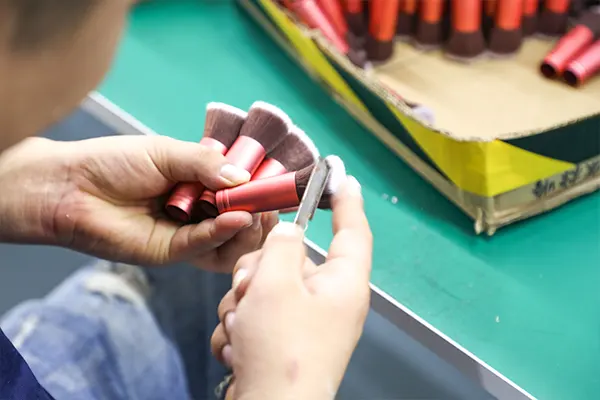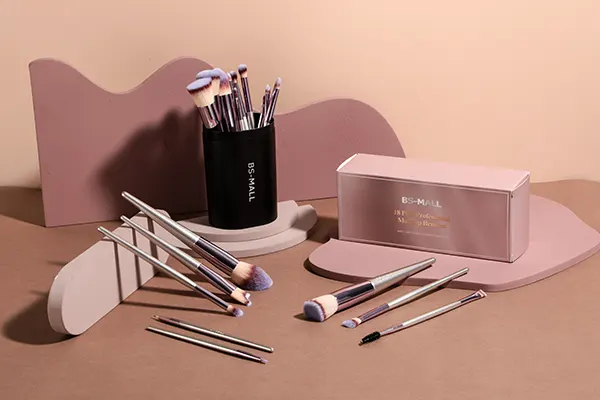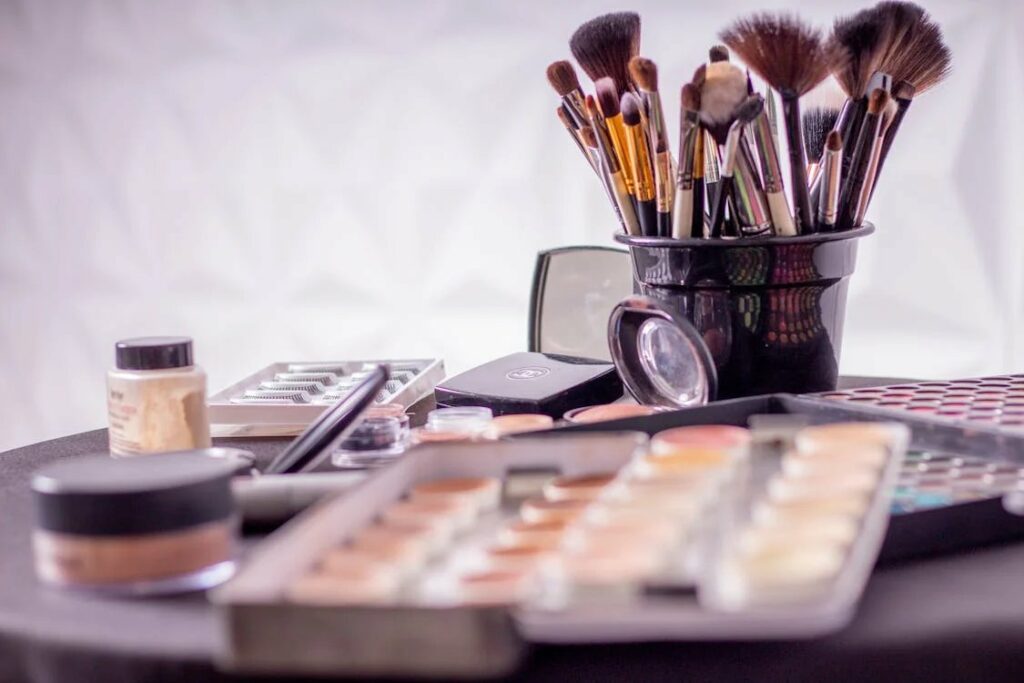


Launching a private label makeup brush line takes more than a strong product idea. Brands need to confirm audience demand, define a focused assortment, and align order quantities with a realistic sales forecast. Without this groundwork, high MOQs and too many SKUs can tie up capital and leave the business with slow-moving inventory.
This guide explains how to plan a commercially viable launch, from demand validation and product positioning to sampling, MOQ, budgeting, and quality approval. Drawing on its experience in custom makeup brush development, CENTRO COMMERCIALE BS also highlights the practical decisions brands should confirm with a manufacturer before moving into production.
Why Makeup Brushes Can Fit a Creator-Led Beauty Brand
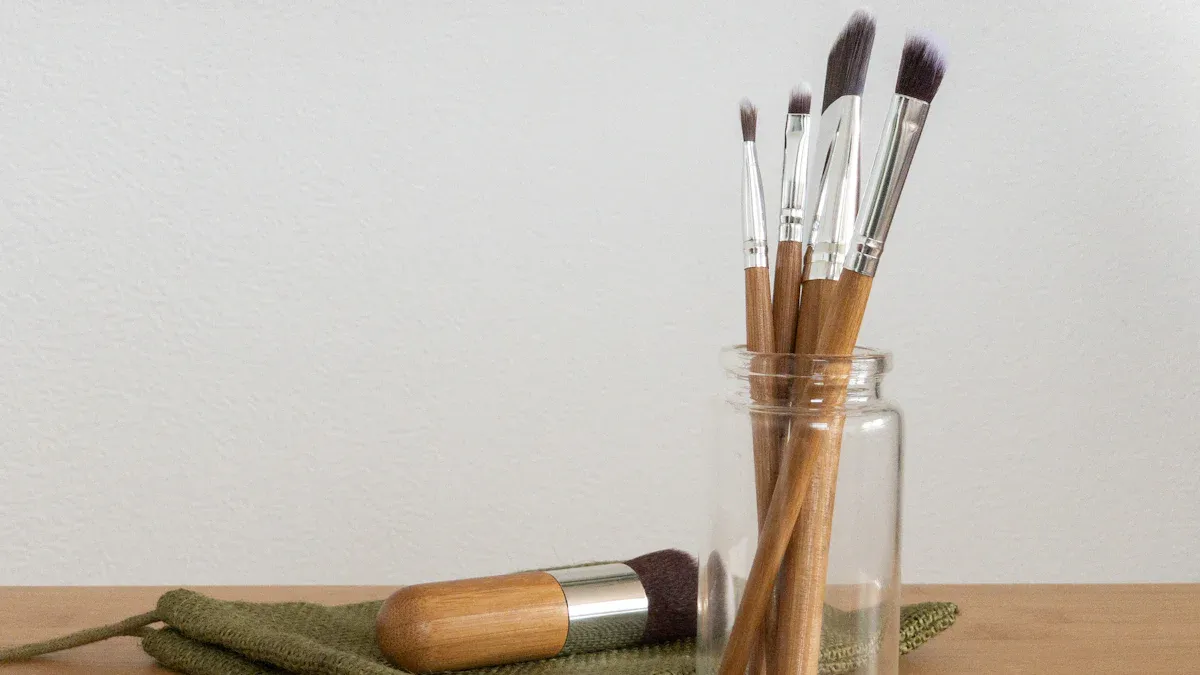
Makeup brushes can be a practical starting point for creator-led beauty brands. They are easy to demonstrate through content, offer broad customization options, and avoid many of the formulation and shade-development challenges associated with cosmetics.
| Advantage | Perché è importante |
|---|---|
| Natural fit with creator content | Brush functions, application techniques, and results can be demonstrated clearly in tutorials and short-form videos. |
| Strong brand expression | Handle colors, brush shapes, finishes, confezione, and branding can reflect the creator’s visual identity. |
| Clear product differentiation | Creators can develop brushes around specific routines, application problems, or audience preferences. |
| More straightforward product development | Brushes do not require formula development or shade matching, although material, labeling, and market requirements still need review. |
| Measurable quality criteria | Buyers can assess features such as bristle softness, spargimento, sicurezza della ghiera, handle finish, dimensions, and overall construction. |
| Flexible launch options | A brand can begin with one hero brush or a focused set before expanding into larger collections and related beauty products. |
Validate Audience Demand Before Committing to Inventory
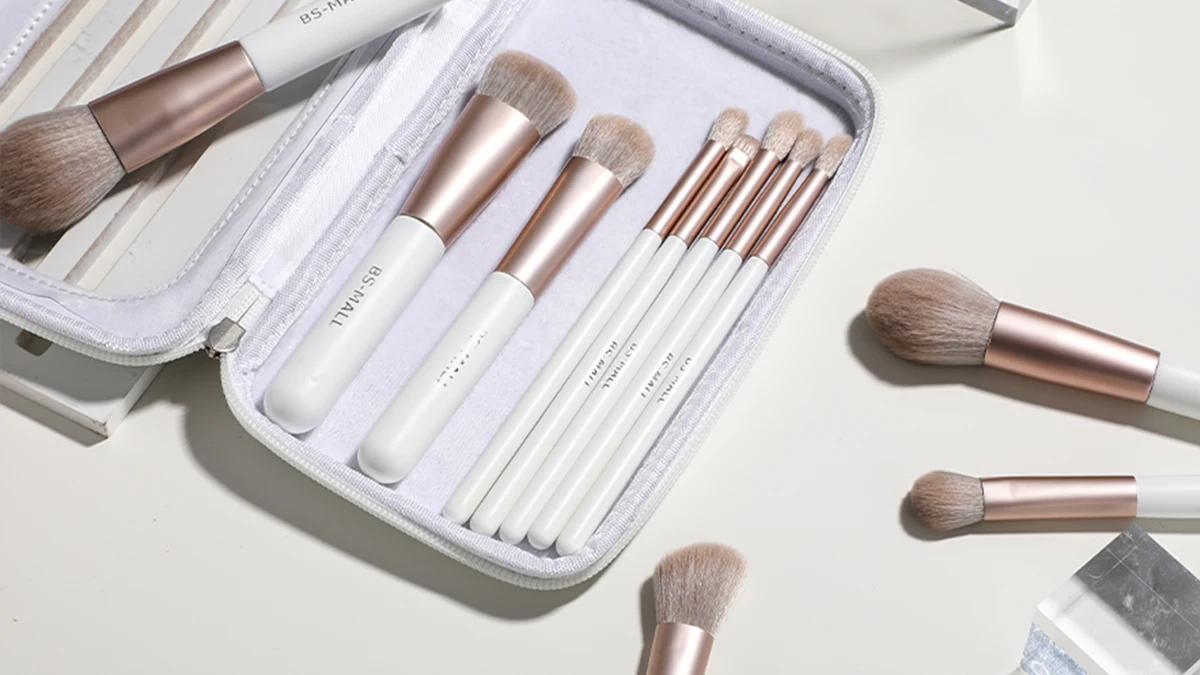
Before ordering private label makeup brushes, creators should combine market research, direct audience feedback, and small-scale purchase tests. The goal is not to prove demand with a single metric, but to reduce uncertainty around the product concept, price, and initial order quantity.
Compare Market Demand With Audience Needs
Start by reviewing search trends, competing products, customer reviews, and social media discussions for the brush types you are considering. Tools such as Google Trends, Google Keyword Planner, and marketplace research platforms can help identify whether interest is stable, seasonal, or declining.
Competitor research should go beyond estimated sales. Review common product formats, price ranges, frequently mentioned complaints, and gaps in existing offers. Repeated complaints about shedding, poor handle balance, weak ferrules, or oversized sets may reveal opportunities for a more focused product.
Market-level demand does not automatically represent demand from your audience. Ask followers or email subscribers which brushes they use most, what problems they experience, and what they would expect at the proposed price. Surveys can help compare preferences, while interviews, focus groups, or beta testing provide more detailed feedback on bristle feel, forma, handle comfort, and appearance.
Use these findings to narrow the first assortment. A product should reflect both visible market demand and a specific need within the creator’s audience.
Test Purchase Intent Before Setting the Order Quantity
Expressions of interest are useful, but they are weaker than actions involving time, contact information, or payment. A landing page, waitlist, paid reservation, or limited pre-order can provide a clearer indication of purchase intent.
Evaluate the results in context rather than relying on universal conversion benchmarks. Traffic source, audience familiarity, price, product presentation, and offer structure can all affect performance. Compare interest across proposed products to determine which brush or set should receive priority.
Before confirming inventory, review:
| Validation Area | What to Check |
|---|---|
| Market demand | Search trends, competing products, price ranges, and recurring customer complaints |
| Audience relevance | Preferred brush types, use cases, materiali, design expectations, and price acceptance |
| Product feedback | Bristle feel, application performance, handle comfort, costruzione, and appearance |
| Purchase intent | Waitlist registrations, paid reservations, pre-orders, or other measurable actions |
| Financial feasibility | MOQ, landed cost, selling price, expected sales pace, and available launch budget |
The first order does not need to cover every requested product. Starting with one hero brush or a focused set allows the brand to gather actual sales and customer feedback before expanding the range.
Turn Your Content Expertise Into a Clear Product Concept
A strong product concept turns audience insights into specifications that a makeup brush manufacturer can evaluate and sample. Before contacting suppliers, define who the product is for, what problem it solves, and which features are essential.
Define the Product Around a Specific User Need
Start with the routines, questions, and product complaints that appear repeatedly in your content or audience feedback. These insights can help identify a practical use case, such as applying liquid foundation, blending eye makeup, or creating precise details.
Avoid beginning with a long list of brush shapes or decorative options. Invece, define the target user, application method, desired result, and shortcomings of existing products. Per esempio, complaints about streaky foundation application may lead to requirements for a particular brush shape, fiber density, and level of flexibility.
Claims such as vegan, senza crudeltà, PFAS-free, or sustainably sourced should only be included when the materials, supply chain, and supporting documents have been reviewed. Product and labeling requirements should also be assessed according to the materials used, intended users, and markets where the brushes will be sold.
Translate the Concept Into Supplier Specifications
Once the product direction is clear, prepare a brief that gives the manufacturer enough information to evaluate feasibility, sampling, costo, and MOQ.
| Specification Area | What to Define |
|---|---|
| Target user and use case | Who will use the brush, which products it will apply, and what result it should produce |
| Brush head | Forma, dimensions, loft, densità, flessibilità, and fiber type |
| Handle and ferrule | Materiali, dimensions, peso, fine, color, and branding position |
| Performance criteria | Pickup, applicazione, miscelazione, morbidezza, spargimento, sicurezza della ghiera, and handle finish |
| Packaging and labeling | Packaging format, artwork, required product information, and target-market labeling needs |
| Commercial requirements | Target price, estimated quantity, customization level, sampling needs, and desired launch window |
The initial brief does not need to contain every final measurement. Its purpose is to help the supplier identify suitable construction options and prepare a sample for evaluation. Specifications can then be refined through sample testing before the production version is approved.
Choose a Hero Brush or Focused Set for the First Launch
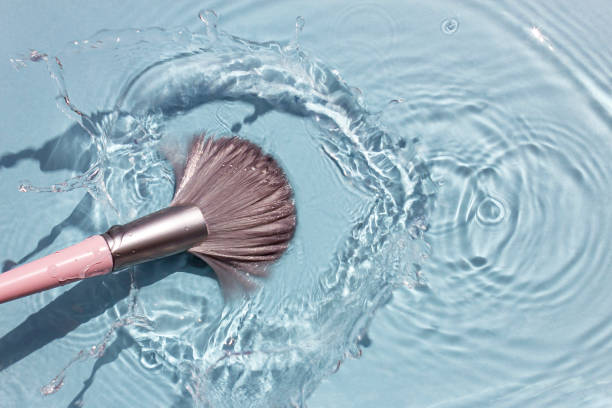
The first collection should be focused enough to control development and inventory risk while giving customers a clear reason to buy. Depending on the product concept, this may mean launching one hero brush or a compact set built around a specific routine.
Compare a Hero Brush With a Focused Set
A hero brush is suitable when one product can clearly demonstrate the creator’s expertise or solve a recognizable application problem. A focused set may be more appropriate when several brushes are needed to complete a routine or communicate a broader product concept.
| Consideration | Hero Brush | Focused Set |
|---|---|---|
| Best suited to | A specific application problem, signature technique, or initial product test | A defined routine, coordinated assortment, or gift-ready product concept |
| Development scope | One brush construction and one primary packaging format | Multiple brush constructions plus coordinated set packaging |
| Quality control | Fewer components and specifications to approve | Consistency must be checked across every brush in the set |
| Inventory planning | Concentrates the initial order on one product | Requires cost and demand planning for several coordinated items |
| Customer proposition | A clear signature product that is easy to explain and demonstrate | A more complete solution with coordinated use and presentation |
The decision should reflect how customers use the product, how clearly its performance can be demonstrated, and whether the expected demand can support the supplier’s MOQ. A larger set does not automatically offer greater value if several brushes have overlapping or unclear functions.
Consider the Development and Launch Implications
A hero brush usually requires fewer samples and approvals because the brand is evaluating one brush head, ghiera, maniglia, fine, and packaging format. A set adds more variables, including dimensional consistency, finish matching, branding placement, packaging fit, and the performance of each brush.
For a first launch, consider adapting proven factory constructions when they meet the product brief. Extensive changes to brush shapes, molds, components, or packaging can increase development time, costo, and MOQ.
Before approving production, confirm the specifications and quality criteria for every item. Depending on the materials and target market, the supplier may also need to provide relevant test reports or supporting documents. Claims such as vegan, senza crudeltà, or sustainably sourced should only be used when their scope and evidence have been verified.
Development time should be estimated after the supplier reviews the customization requirements, sample rounds, confezione, order quantity, and delivery destination. After launch, actual sales and customer feedback can guide expansion into related brushes or larger sets.
Select a Private Label or Customization Model Based on Launch Risk
The right production model depends on how much demand has been validated, which features must be distinctive, and how much development time and inventory the brand can support. Supplier terminology varies, so compare the actual customization scope rather than relying only on labels such as white label, Etichetta privata, or OEM.
Compare the Available Production Models
A brand with limited demand evidence may begin with an existing factory design and customize only the branding or packaging. Custom makeup brush development becomes more practical when the product concept is clear and the expected demand can support additional sampling, component development, and MOQ requirements.
| Production Model | Suitable When | Typical Scope | Main Tradeoff |
|---|---|---|---|
| White label | Demand is still being tested and a short development process is important | Existing brush designs with logo and packaging changes | Limited product differentiation and possible overlap with competing brands |
| Private label with selected customization | The concept is defined, but the brand wants to limit new component development | Existing constructions with selected fibers, colori, finishes, marchio, or packaging | More sampling and coordination than a standard factory design |
| Custom development | Demand is better established and distinctive construction is central to the concept | Custom brush shapes, dimensions, components, finishes, molds, or packaging structures | Longer development, greater sampling requirements, and potentially higher MOQ or tooling costs |
These categories are not standardized across the industry. One supplier may describe color and logo changes as private label, while another may include fiber, maniglia, and packaging modifications under the same term. Ask each manufacturer to specify which components can be changed, whether tooling is required, and how each choice affects MOQ, costo, and lead time.
Review the Main Risks Before Confirming the Model
Evaluate the production model against four practical areas:
- Demand risk: Is there enough evidence to support the proposed quantity and number of SKUs?
- Development risk: Does the concept require new molds, components, repeated sampling, or untested construction?
- Financial risk: Can the launch budget cover sampling, tooling, confezione, freight, duties, and inventory?
- Quality and documentation risk: Can the supplier meet the approved specifications and provide documents relevant to the materials, claims, and destination market?
Before placing the production order, confirm the specification sheet, approved sample, quality criteria, landed cost, MOQ, production schedule, packaging requirements, and required supporting documents. The appropriate model is the one that delivers the necessary differentiation without introducing more development and inventory exposure than the launch can support.
Plan MOQ, Samples, Budget, Fulfillment, and Lead Time
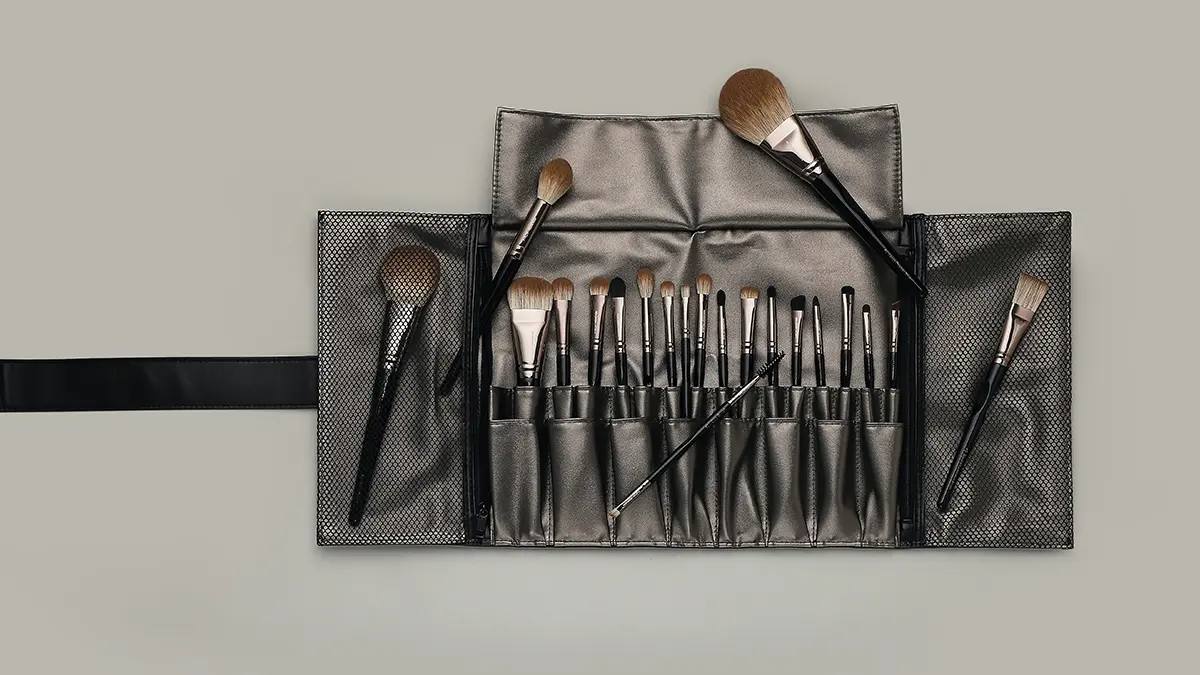
MOQ, sampling, costo, fulfillment, and lead time should be planned together. A change to the brush construction or packaging can affect several of these areas, so brands should confirm the complete production plan before approving an order.
Build an Integrated Production Plan
The quoted MOQ should not be treated as a single fixed number. A makeup brush may involve separate minimums for fibers, ghiere, maniglie, finishes, logo application, confezione, and molded components. The effective MOQ is often determined by the component or process with the highest production minimum.
Ask the manufacturer to explain:
- Whether the MOQ applies per brush design, color, logo, set, or total order
- Which components use existing stock and which require custom production
- Whether unused packaging or components must be purchased or stored
- How the unit price changes at different order quantities
- Whether a custom mold, printing plate, or setup fee is required
Keeping the initial assortment focused can reduce the number of materials, colori, packaging formats, and approval points. Tuttavia, the order quantity should be based on validated demand, available working capital, supplier requirements, and the expected sales pace rather than a universal first-order target.
Plan Samples and Production Approval
Begin with existing factory samples when possible. These allow the brand to assess the supplier’s general construction quality, fiber options, handle finishes, and application performance before paying for fully customized samples.
Once the product specifications are defined, request a customized sample that reflects the intended brush head, ghiera, maniglia, fine, marchio, e imballaggio. Evaluate it against documented criteria rather than appearance alone.
| Planning Area | What to Confirm |
|---|---|
| MOQ | MOQ by design, color, component, packaging format, and total order |
| Samples | Sample type, fees, revision limits, approval criteria, and production reference sample |
| Budget | Prodotti, campioni, tooling, confezione, test, inspection, freight, duties, and storage |
| Fulfillment | Unit packing, set assembly, labels, carton specifications, delivery destination, and warehouse requirements |
| Lead time | Campionamento, revisions, material preparation, produzione, inspection, shipping, and contingency time |
Before production, approve and retain a reference sample that represents the agreed construction and appearance. Record any acceptable tolerances for dimensions, color, logo placement, spargimento, sicurezza della ghiera, and finish quality so the production batch can be inspected against the same requirements.
Calculate the Complete Launch Cost
Unit price alone does not show whether the project is financially viable. Build a landed-cost estimate that includes the brush, individual packaging, set assembly, sampling, tooling, testing or inspection, freight, duties, warehousing, and fulfillment preparation.
Compare quotations on the same specification and delivery basis. A lower unit price may be offset by a higher MOQ, separate packaging minimums, additional setup fees, or more expensive freight.
Confirm the fulfillment route before finalizing packaging. Whether products are delivered to the brand’s warehouse, a third-party logistics provider, a retailer, or an e-commerce fulfillment center can affect labeling, carton dimensions, barcodes, set assembly, and inspection requirements. Provide these requirements to the manufacturer before mass production rather than arranging them after the goods are complete.
Build the Launch Schedule Backward
Lead time should be confirmed for the specific project instead of estimated from a general industry range. Existing brush constructions may move through sampling more quickly, while new molds, custom finishes, special materials, repeated revisions, or complex packaging can extend the schedule.
Build backward from the required delivery date and include time for:
- Specification review and quotation
- Sample production and revisions
- Packaging artwork and proof approval
- Material procurement and mass production
- Pre-shipment inspection
- Freight, customs clearance, and warehouse receiving
- Corrections or delays during the first order
The final production plan should connect the approved specification, order quantity, total landed cost, fulfillment requirements, and delivery schedule. Confirming these items together helps prevent a design decision in one area from creating unexpected cost or timing problems elsewhere.
Build a Transparent Content-Led Launch Plan
A content-led launch should explain what the product is, how its claims are supported, and what customers can realistically expect from its performance. The information published by the brand must remain consistent with approved specifications, supplier documents, test results, and production records.
Choose Transparency Topics the Brand Can Substantiate
Transparency does not require publishing every factory document or technical detail. It means making specific claims, explaining their basis, and avoiding promises that extend beyond the available evidence.
Focus the launch content on four areas:
| Area contenuti | What to Explain | Possible Supporting Evidence |
|---|---|---|
| Materiali | Fiber, maniglia, ghiera, rivestimento, adhesive, and packaging choices relevant to product use | Specifications, material declarations, supplier records, or applicable test reports |
| Performance and quality | Application purpose, morbidezza, pickup, miscelazione, shedding control, sicurezza della ghiera, and finish durability | Approved specifications, sample evaluations, inspection criteria, and relevant test results |
| Product claims | The intended meaning and scope of claims such as vegan, senza crudeltà, PFAS-free, or responsibly sourced | Supplier declarations, test reports, chain-of-custody records, certificazioni, or audit documents |
| Development process | How the concept was sampled, evaluated, refined, and approved for production | Sample records, approval criteria, inspection reports, and production milestones |
Only publish information that applies to the finished product and the relevant supply chain. A factory-level certification or social audit does not automatically substantiate a product-level material, safety, or sustainability claim. Check the document holder, production site, scope, validity period, and connection to the ordered product before referring to it in marketing.
Turn Product Evidence Into Useful Launch Content
Translate verified technical information into language customers can understand. Product pages can explain brush materials, intended applications, care instructions, and performance characteristics. Longer articles or videos can show how the brush was developed, how samples were evaluated, and why particular construction choices were made.
Avoid publishing full supplier documents when they contain confidential information or when customers could misinterpret their scope. A concise summary can identify the tested product or material, the type of assessment, the issuing organization, and the result without overstating what the document proves.
Keep claims consistent across product pages, confezione, pubblicità, email, mezzi di comunicazione sociale, and wholesale materials. Terms such as hypoallergenic, vegan, cruelty-free, PFAS-free, O sustainably sourced should not appear until the brand has defined their scope and reviewed the supporting evidence.
Coordinate Content With the Production Schedule
Content should be developed alongside sampling and production rather than finalized before the product evidence is available.
A practical sequence is:
- Draft provisional product information from the approved specification
- Confirm material and claim documents with the supplier
- Photograph and demonstrate the approved production sample
- Update product pages after packaging and labeling are finalized
- Review published claims before launch
- Revise content if specifications, suppliers, test results, or regulations change
After launch, monitor customer questions, returns, reviews, and wholesale feedback. These signals can reveal where product explanations are unclear, but they do not replace technical validation. Any new performance or material claim should be checked against appropriate evidence.
Approve Product Quality and Protect Audience Trust
Product approval should confirm that the production batch matches the agreed specifications, performs as intended, and is supported by documents relevant to the product and destination market. Clear approval records also help brands investigate defects and avoid unsupported customer-facing claims.
Set Product-Specific Approval Criteria
Quality requirements should be defined before mass production rather than decided during final inspection. For each brush or set, record the approved materials, dimensions, costruzione, appearance, performance requirements, confezione, and acceptable tolerances.
The approval criteria may cover:
- Brush head shape, dimensions, densità, rifilatura, e simmetria
- Fiber softness, pickup, release, spargimento, and recovery after washing
- Ferrule dimensions, fine, crimping, and attachment strength
- Handle material, color, rivestimento, logo position, and surface quality
- Odor, loose components, sharp edges, deformation, and visible adhesive
- Packaging construction, artwork, barcodes, contents, and assembly accuracy
Not every characteristic needs a universal numerical limit. The criteria should reflect the product design, intended use, known failure risks, approved sample, and buyer requirements.
Control Quality From Sample Approval to Shipment
Approve and retain a production reference sample before manufacturing begins. The specification sheet and approved sample should be used together: the sample shows the expected appearance and construction, while the written specification records dimensions, materiali, tolerances, and test methods that may not be visible.
A practical control process includes:
| Control Stage | What to Verify |
|---|---|
| Incoming materials | Fiber, ghiera, maniglia, rivestimento, adhesive, printing, and packaging against approved requirements |
| In-process inspection | Modellare, rifilatura, bonding, crimping, alignment, rivestimento, printing, and set assembly |
| Final inspection | Workmanship, quantity, function, confezione, labeling, and comparison with the approved sample |
| Shipment approval | Inspection results, unresolved defects, corrective actions, carton details, and release authorization |
The inspection plan should also identify the sampling method, defect categories, acceptance criteria, responsible party, and procedure for handling nonconforming goods.
Verify Applicable Requirements and Supporting Evidence
Material and chemical requirements depend on the brush construction, destination market, intended users, and claims. For EU sales, determine which REACH obligations or restrictions apply to the finished article and its materials. For the US market, first establish whether the brush is a general-use product or is designed primarily for children, because children’s-product testing and certification requirements are classification-dependent.
Request documents that are relevant to the ordered product. These may include specifications, material declarations, test reports, inspection records, traceability information, O factory certifications requested by a retailer. Check the document holder, production site, scope, tested sample, issue date, and connection to the finished product.
Quality-system certificates and social audits provide different types of evidence. ISO 9001 may support an assessment of factory processes, while BSCI or SMETA may address workplace practices. Neither document proves that a particular brush meets its material, prestazione, or claim requirements.
Maintain Quality After the First Order
Retain approved specifications, campioni, inspection reports, test records, and corrective-action records by product and production lot. Review the product again when a material, component, rivestimento, factory, subcontractor, or claim changes.
Customer complaints, returns, reviews, and retailer feedback should be recorded by defect type and batch where possible. These records help identify recurring problems and determine whether corrective action, additional inspection, or retesting is necessary. Claims presented on packaging and product pages should be revised whenever the supporting specification or evidence changes.
Considerazioni finali
Building a private label makeup brush line takes more than a strong product idea. Brands also need to validate demand, define clear specifications, choose the right production model, and confirm quality before launch. Careful planning at each stage helps control inventory risk and creates a product customers can trust.
Every project has different requirements for materials, personalizzazione, MOQ, confezione, and testing. Contact our team to discuss your brush line and build a practical development plan for your market.