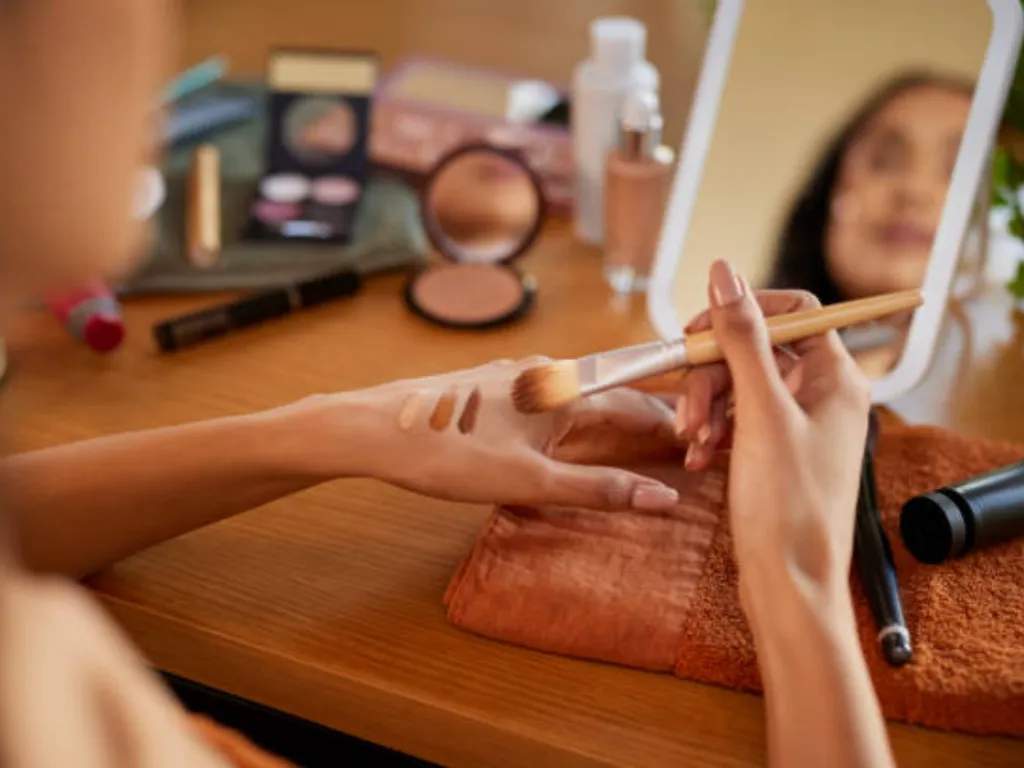


Le « maquillage sans maquillage » le plus crédible n’est pas créé en empilant des produits, il est créé parcomment tu les appliques, avec les bons pinceaux et la bonne pression. Quand vos outils sont conçus pour offrir une couverture optimale, bords diffus, et mélangez parfaitement les textures crème, une finition naturelle devient reproductible (même pour les débutants).
Dans ce guide, vous apprendrez à vous maquiller pour un look naturel à l'aide d'un simple, routine dirigée par les pinceaux - et vous verrez également ce qu'il faut rechercher lorsque vous vous procurez des pinceaux auprès de pinceau de maquillage fabricants pour votre marque, magasin, ou entreprise de beauté.
Pourquoi vos doigts ne suffisent pas
Un maquillage naturel est essentiellement une illusion d’optique: tu veux que ta peau ressemble à de la peau, seulement en meilleure santé, plus encore, et légèrement plus défini. Les doigts peuvent travailler pour les soins de la peau, mais ils ont souvent du mal avec les deux parties les plus difficiles du maquillage « naturel »: répartition uniforme et bords doux.
Voici ce qui ne va généralement pas lorsque vous comptez uniquement sur vos doigts:
- Couverture inégale: Les doigts ont tendance à déplacer le produit avec une épaisseur inégale, surtout avec les crèmes hydratantes teintées et les teintes pour la peau. Cette inégalité apparaît sous forme de texture, pas « fraîcheur ».
- Bords durs: Le maquillage naturel dépend de transitions fluides : un éclaircissement sous les yeux qui s'estompe sur vos joues., un blush qui se fond dans votre base, poudre bronzante qui ressemble à de la chaleur, pas des rayures. Les doigts laissent souvent des bords qui ressemblent à du maquillage.
- Trop de produit au même endroit: La chaleur de vos mains peut émulsionner rapidement les formules de crème, mais cela peut aussi provoquer une surapplication au centre du visage (où le maquillage « naturel » devrait être le plus transparent).
- Hygiène et éruptions cutanées: Tes mains touchent ton téléphone, poignées de porte, et tout le reste. Le transfert d’huiles et de bactéries sur votre visage peut entraîner des pores obstrués, surtout si vous établissez une routine quotidienne..
Les pinceaux ne sont pas « supplémentaires ». Dans un look sans maquillage, c’est la différence entre « Je porte du fond de teint » et « J’ai juste une belle peau ».
Le 4 Pinceaux essentiels pour un fini semblable à la peau
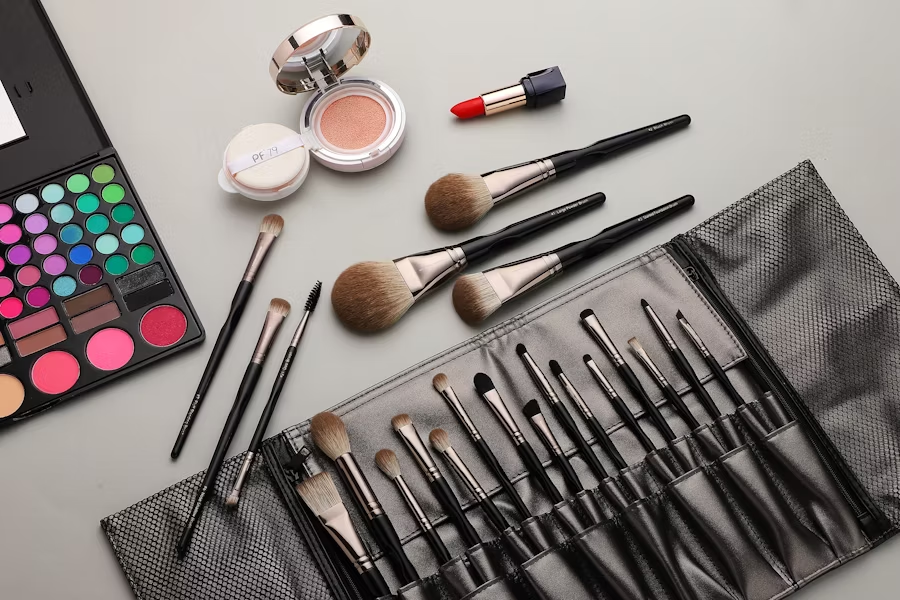
Si vous n'investissez que dans un petit kit, Visez une garde-robe de pinceaux qui correspond aux produits que le maquillage naturel utilise le plus.: base pure, dissimulation précise, couleur crème des joues, et poudre à prise douce. L’objectif n’est pas d’avoir plus de pinceaux, c’estles bonnes formes.
Vous trouverez ci-dessous un tableau de référence pratique que vous pouvez conserver dans votre message (et cela aide également les lecteurs à acheter en toute confiance).
| Type de pinceau | Mieux pour | Pourquoi cela semble plus naturel | Pour un pourboire |
|---|---|---|---|
| Duo-Fibre / Pinceau pointillé | Teinte de peau, hydratant teinté, fondation pure | Crée un mince, même voile sans traces; diffuse la couverture pour que la texture semble toujours réelle | Utilisez d’abord des tapotements légers, puis de petits cercles uniquement là où vous avez besoin de plus de mélange |
| Petit pinceau anti-cernes de précision | Localiser les imperfections dissimulées, rougeur, autour du nez | Cible uniquement ce qui doit être corrigé, garder le reste de la peau intact | Appuyez sur le bord pour flouter; ne « peignez » pas une grande surface |
| Pinceau fard à joues synthétique moelleux (ou une petite brosse à polir) | Fard à joues crème, crème bronzante, fard à joues liquide | Fondre les produits en crème dans la base pour un effet « chasse d'eau de l'intérieur » homogène | Ramassez le produit du dos de votre main pour un meilleur contrôle |
| Pinceau à poudre douce | Poudre fixatrice de lumière, poudre de finition | Fixe stratégiquement sans donner à la peau un aspect sec ou trop mat. | Presser et rouler (ne glisse pas) dans la zone T uniquement |
Une règle simple: le maquillage naturel est une question de diffusion. N'importe quel pinceau que vous choisissez devrait aider à adoucir les bords, réduire les traces, et empêcher l'accumulation de produit.
Étape par étape: Comment se maquiller pour un look naturel
Cette routine est conçue pour la vraie vie: travail, courses, appels vidéo, école, événements occasionnels, et des photos de tous les jours. Vous pouvez terminer en 5 à 12 minutes selon le nombre d'étapes que vous incluez.
1) Le maquillage naturel expose tout
Le maquillage naturel ne cache pas la sécheresse ou la texture, il les met en valeur. Commencez par:
- Peau propre + Crème hydratante (choisissez quelque chose qui absorbe complètement)
- Facultatif: une base hydratante ou lissante uniquement là où vous en avez besoin (généralement au centre du visage)
Laissez le soin agir pendant 2 à 3 minutes. Si votre base glisse, c'est généralement parce que tu n'as pas laissé les couches s'installer.
2) Utilisez un voile brosse duo-fibres/pointillés, ne pas masquer
Au lieu d'un fond de teint à couverture complète, choisir une teinte de peau, hydratant teinté, ou une fondation légère que vous pouvez faire ressortir.
Comment faire:
- Appliquez une petite quantité au centre du visage (joues près du nez, centre du front, menton).
- Utilisez une brosse duo-fibres en tapotant doucement pour répartir.
- Seulement après l'avoir placé, utilisez des micro-cercles sur les bords pour flouter.
Point de contrôle d'aspect naturel: Tes taches de rousseur, ombres naturelles, et la dimension de la peau devrait toujours être affichée. Si tout semble « plat »," tu es devenu trop lourd.
3) Utilisez un correcteur de taches avec un pinceau de précision
Le maquillage naturel fonctionne mieux lorsque vous gardez une couverture localisée.
Où repérer la dissimulation:
- Autour des narines
- Imperfections simples
- Une petite quantité dans le coin interne sous les yeux (évitez les gros triangles)
Comment faire:
- Déposez un point exactement à l'endroit avec la pointe d'un petit pinceau anti-cernes.
- Appuyez sur le bord extérieur pour fondre sur la peau environnante.
- Si vous avez besoin de plus de couverture, ajoutez une deuxième couche fine, jamais une couche épaisse.
Point de contrôle d'aspect naturel: Vous ne devriez pas voir de « patch correcteur ». Vous devriez voir une peau tout simplement plus calme.
4) Fard à joues crème (et poudre bronzante en option): mélanger vers le haut, garde-le doux
Les produits en crème ressemblent le plus à la peau, mais ils peuvent déplacer votre base si vous frottez.
Comment appliquer le blush crème naturellement:
- Produit chaud sur le dos de la main.
- Prélevez une petite quantité avec un duvet fard à joues synthétique brosse.
- Tapotez sur la partie haute de votre joue, puis mélangez vers le haut vers le temple.
Poudre bronzante en option (pour la chaleur, ne pas sculpter):
- Utilisez une petite brosse moelleuse et balayez légèrement le long du périmètre des joues., temples, et une touche sur l'arête du nez.
Point de contrôle d'aspect naturel: Si vous pouvez identifier où le blush « commence,« c'est trop dur. La couleur doit donner l’impression qu’elle vient de l’intérieur de la peau.
5) Utilisez un pinceau à poudre doux Keep Glow, Supprimer l'excès de brillance
Tout le monde n’a pas besoin de poudre partout. La surpoudrage est l’un des moyens les plus rapides de détruire le fini naturel..
Comment définir:
- Trempez légèrement le pinceau à poudre, retirer l'excédent.
- Appuyez/roulez sur la zone T (côtés du nez, sous les yeux seulement en cas de plis, centre du front, menton).
- Laisser le périmètre des joues plus « vivant » pour la dimension.
Point de contrôle d'aspect naturel: La peau doit toujours réfléchir la lumière de manière saine, mais elle ne doit pas paraître humide ou grasse..
6) Définition douce: les sourcils + cils (facultatif mais puissant)
Le maquillage naturel ne consiste pas à sauter la définition, il s'agit de choisir des outils plus doux.
- Sourcils: utilisez une bobine pour relever la direction des cheveux, ajouter du gel à sourcils teinté si nécessaire.
- Cils: une couche de mascara, se concentrer sur les racines; éviter les grumeaux.
Point de contrôle d'aspect naturel: Les gens devraient remarquer que vous avez l’air « reposé »,» et non « inventé ».
Pourquoi BS-MALL correspond à la tendance du maquillage naturel
Si vous construisez une ligne de pinceau (ou mettre à niveau un existant), le maquillage naturel est la tendance qui fait vendre des pinceaux, car cela dépend du mélange, douceur, et la cohérence. Cela signifie que votre fournisseur compte autant que votre conception.
Que rechercher chez les fabricants de pinceaux de maquillage
Lorsque vos clients souhaitent une solution transparente, finition de peau, vos pinceaux doivent être à la hauteur:
- Doux, poils résistants qui mélange la crème et le liquide sans laisser de traces
- Construction stable (virole + qualité de l'adhésif) pour que la brosse reste intacte pendant le lavage
- Production évolutive pour les nouveaux lancements et les récommandes
- Personnalisation donc ton ensemble ressemble à une marque, pas un kit générique
Où BS-MALL s'aligne
BS-MALL se positionne comme un partenaire de marque privée tout-en-un, et pas seulement comme une usine, soutenant les marques avec des designs, quantités de commande flexibles, et un service adapté aux entreprises. Le site met en évidence des capacités comme un3000usine de m², 5 lignes de production, et une capacité annuelle de1,800,000 unités, plus une expérience d'aide100+ entreprise commercialiser des idées de pinceaux, des points importants pour les acheteurs qui s'approvisionnent de manière fiable à grande échelle.
Erreurs courantes et comment les pinceaux les corrigent
De nombreux échecs du « maquillage naturel » proviennent de la même poignée de problèmes. L'ajout de cette section vous aide à surpasser les didacticiels génériques car elle rencontre les lecteurs là où ils ont du mal.
- Erreur: Utiliser trop de produit de base.
Réparer: Choisissez une brosse à deux fibres et créez des microcouches au lieu d'une seule couche épaisse. - Erreur: Dissimuler toute la zone sous les yeux.
Réparer: Utilisez un petit pinceau de précision pour un éclaircissement précis, puis flouter uniquement les bords. - Erreur: Blush posé sur la peau.
Réparer: Utilisez un pinceau synthétique moelleux pour presser et mélanger le blush crème dans la base sans traîner.. - Erreur: Poudrer tout le visage.
Réparer: Utilisez un pinceau à poudre doux et appliquez uniquement là où le mouvement ou la brillance se produit réellement..
Si vous souhaitez l'amélioration la plus rapide avec le minimum de dépenses, mettre à niveau les pinceaux qui contrôlentcouverture (base et correcteur) d'abord. Ces deux-là à eux seuls peuvent vous faire passer du « maquillage au top » à « une peau mais en mieux ».